Power & Equipment Solutions

Backup Power Solutions Uganda: Comprehensive 2026 Guide for Businesses | Jamali Tech

| Uncategorized
Backup Power Solutions Uganda: Comprehensive 2026 Guide for Businesses | Jamali Tech

Reliable electricity is a cornerstone for businesses in Uganda, from industrial plants and commercial offices to agribusinesses and healthcare facilities. Backup power solutions Uganda ensure uninterrupted operations, safeguard sensitive equipment, and prevent revenue losses.

At Jamali Tech, we specialize in industrial-grade generators and robust backup systems, optimized for Uganda’s unique climate, seasonal grid variability, and East African operational conditions. Our solutions are UNBS certified and designed for both urban and rural environments.

Investing in backup power solutions Uganda is a strategic decision for companies seeking operational continuity, especially in Kampala, Jinja, Mbarara, and Gulu, where grid outages are frequent during the wet season.


Why Businesses in Uganda Need Backup Power Solutions

Businesses in Uganda require backup power solutions Uganda to maintain productivity, ensure safety, and protect critical operations against frequent electricity interruptions.

Challenges Without Backup Power

  • Frequent Grid Outages: Rural and peri-urban areas experience unplanned blackouts lasting several hours.
  • Revenue Loss: Downtime in industrial operations or offices leads to significant financial impact.
  • Equipment Damage: Sudden voltage drops and interruptions can damage sensitive machinery.
  • Compliance Risks: Certain sectors must maintain continuous power to meet regulatory and safety standards.

Implementing reliable backup power solutions Uganda protects businesses from these operational risks while ensuring long-term productivity.


Types of Backup Power Solutions in Uganda

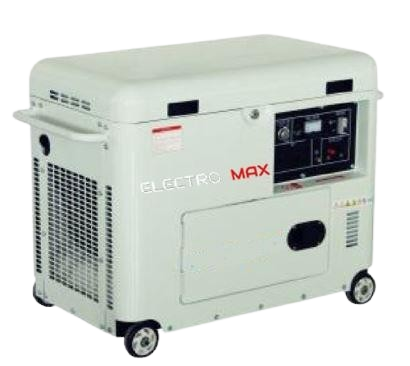
Businesses in Uganda primarily use diesel, gas, or hybrid generators as backup power solutions. Each type has specific advantages depending on load, fuel availability, and location.

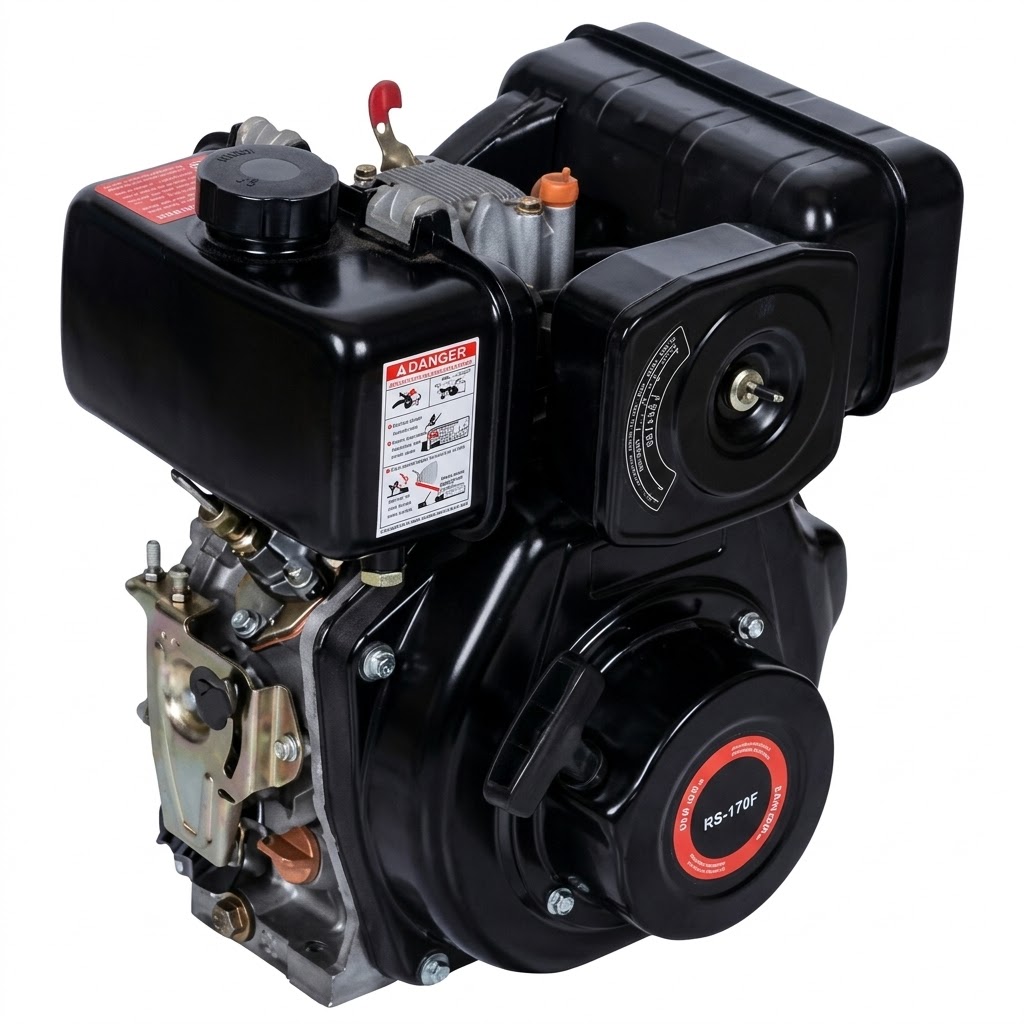
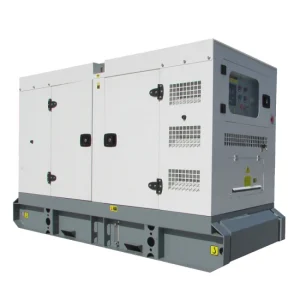
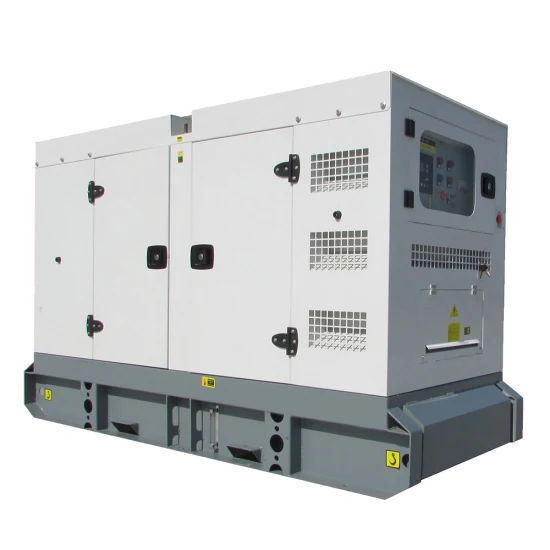
Diesel Generators: Heavy-Duty Industrial Backup

  • Diesel generators are ideal for industrial and commercial backup power Uganda.
  • Capable of handling high loads for extended hours, suitable for remote or high-altitude locations such as Kapchorwa and Mbale, with a 5–10% output derating.
  • Built to withstand high-temperature and high-humidity conditions, ensuring continuous operation during Uganda’s wet season.
  • Discover our diesel generators for heavy-duty power applications.

Gas Generators: Cleaner Urban Power

  • Suitable for urban businesses with consistent LPG or natural gas supply.
  • Reduced emissions compared to diesel, ideal for Kampala and Jinja commercial districts.
  • Quiet operation supports office, retail, and healthcare facilities without disturbing operations.

Hybrid Backup Power Solutions: Energy-Efficient & Sustainable

  • Combines solar panels, battery storage, and diesel generators to deliver reliable power.
  • Reduces fuel consumption while maintaining high reliability for off-grid or rural locations.
  • A modern solution for agribusinesses, industrial plants, and facilities aiming for sustainable operations.

Check industrial generators for hybrid-ready options.


Key Specifications to Consider

Selecting the right backup power solutions Uganda depends on load requirements, fuel type, runtime, noise levels, and maintenance accessibility.

Specifications Checklist

  • Power Output (kVA/kW): Determines load capacity (5–1000 kVA).
  • Fuel Type: Diesel, gas, or hybrid.
  • Fuel Tank Capacity (L): Oversize for peak operational hours during Uganda’s wet season.
  • Automatic Transfer Switch (ATS): Ensures seamless switch between grid and generator.
  • Noise Level (dB): <75 dB recommended for commercial zones.
  • Maintenance Accessibility: Local service support is critical for operational continuity.

Explore our industrial generators for full technical specifications.


Matching Backup Power Solutions to Business Types

Different businesses in Uganda require specific backup power solutions based on load, operational continuity, and environmental conditions.

Small & Medium Enterprises (SMEs)

  • Load: <50 kVA
  • Recommended Solution: Diesel or gas generators with ATS
  • Locations: Kampala, Jinja, Mbarara
  • Benefits: Affordable, reliable, and low-maintenance for offices, retail, and light manufacturing

Large Commercial & Industrial Facilities

  • Load: 100–500 kVA+
  • Recommended Solution: Heavy-duty industrial generators with parallel operation for redundancy
  • Regional Insight: High-altitude regions (Mbale, Kapchorwa) require derating by 5–10% for optimal performance

Agribusiness & Irrigation Operations

  • Critical Loads: Irrigation pumps, cold storage, processing equipment
  • Recommended Solution: Diesel generators paired with hybrid solar systems for efficiency
  • Environmental Considerations: Must endure high humidity and wet-season water exposure

Step-by-Step Guide to Selecting Backup Generators

To choose optimal backup power solutions Uganda, follow these steps:

  1. Calculate Total Load: Include current and future expansion needs (kW/kVA).
  2. Select Generator Type: Diesel for heavy industrial loads; gas for urban facilities; hybrid for sustainable operations.
  3. Check Runtime & Fuel Capacity: Oversize fuel tanks for extended dry/wet season operation.
  4. Evaluate Noise & Emissions: Diesel enclosures recommended in urban districts.
  5. Verify Certification & Local Support: UNBS certified with accessible maintenance teams.

Compare domestic generators and industrial generators for specific models.


Evaluating Generator Performance in Uganda

Generator reliability depends on grid stability, climate, altitude, and operational conditions. Proper sizing and regular maintenance ensure consistent output.

Environmental Factors

  • Grid Variability: Rural Uganda often experiences outages → diesel or hybrid generators recommended.
  • Temperature & Humidity: Diesel engines need effective cooling and corrosion protection.
  • Altitude: Kapchorwa and Mbale regions may require 5–10% derating to maintain rated kVA output.

Regulatory & Safety Compliance

  • UNBS 693:2012: All generators must comply with Uganda National Bureau of Standards.
  • IEC 60335: Safety standards for electric and hybrid generators.
  • Local Maintenance Access: Reduces downtime and ensures operational continuity.

Learn more about generator maintenance Uganda.


Maintenance Best Practices

Regular maintenance prolongs generator life and ensures reliable backup power solutions Uganda.

  • Run generators monthly for 30–60 minutes to prevent fuel gelling.
  • Inspect coolant, oil, and fuel levels before extended use.
  • Clean air filters, radiator fins, and exhaust areas regularly.
  • Test ATS functionality for smooth grid-to-generator transitions.

Full guidance is available on Jamali Tech services.


FAQs: Backup Power Solutions Uganda

Frequently asked questions help businesses select the right backup power solutions Uganda.

Q1: What size generator is suitable for my business?
A1: Calculate total connected load and add 20% safety margin. SMEs: 10–50 kVA; Large industries: 100–500 kVA+.

Q2: How long can a diesel generator run continuously?
A2: With proper fuel and maintenance, industrial diesel generators can operate 8–12+ hours.

Q3: Are hybrid systems reliable in rural Uganda?
A3: Yes, combining solar, battery, and diesel ensures continuous power even with grid instability.

Q4: How should generators be maintained in high-humidity areas?
A4: Regular cleaning, coolant and oil checks, and monthly operational tests prevent corrosion and fuel gelling.

Q5: What warranty and service coverage is offered in Uganda?
A5: Jamali Tech provides full maintenance and warranty support for all UNBS-certified generators.


Regional & Cross-Border Considerations

  • Urban Areas (Kampala, Jinja): Diesel or gas generators with acoustic enclosures.
  • Rural Areas (Mbarara, Gulu): Diesel or hybrid generators with higher fuel capacity.
  • Cross-Border Projects: Must comply with EAC standards for Kigali, Nairobi, and Juba.

See manufacturing projects for real-world deployments.


Budgeting & Total Cost of Ownership

Diesel generators are cost-effective for heavy loads, gas for urban facilities, and hybrid systems reduce fuel costs in rural operations.

  • Diesel: Higher upfront cost, low operational cost for heavy-duty applications.
  • Gas: Moderate cost, suitable for urban commercial use.
  • Hybrid: Higher initial investment, reduced fuel expenses, sustainable for rural sites.

Request a free quote via our contact page.


Conclusion

Selecting the right backup power solutions Uganda ensures uninterrupted operations, protects equipment, and enhances business productivity. Jamali Tech provides UNBS-certified generators optimized for Uganda and East Africa.


Need Reliable Power Equipment?

Contact Jamali Tech for competitive pricing on industrial-grade generators, heavy-duty water pumps, and agricultural machinery.

Regional Delivery Guarantee: Fast dispatch from Kampala headquarters. Serving Mbarara, Gulu, Jinja, and cross-border logistics to Kigali.