Power & Equipment Solutions

How to Choose the Right Generator Size in Uganda

| Generators
How to Choose the Right Generator Size in Uganda

Selecting the correct generator size is critical for ensuring reliable power in Uganda. Whether for a home, commercial facility, or industrial site, an undersized generator can lead to overloads and downtime, while an oversized generator wastes fuel and increases costs. This guide will help you choose generator size Uganda efficiently, factoring in local climate, load requirements, and maintenance consideration


Why Proper Generator Sizing Matters in Uganda

Generators in Uganda must operate under unique conditions, including high humidity, tropical heat, and grid instability. Improper sizing can lead to:

  • Overloaded units causing frequent trips or damage
  • Excess fuel consumption and operational inefficiency
  • Premature wear of critical components
  • Unsafe voltage fluctuations for sensitive electronics

Jamali Tech provides expert guidance on generator selection to ensure long-term reliability and compliance with UNBS standards.


Step 1: Identify Your Load Requirements

The first step in selecting a generator is calculating your total load. This includes all appliances, lighting, pumps, and industrial equipment that will run simultaneously.

How to calculate load:

  1. List all devices and machinery in watts (W).
  2. Sum total wattage.
  3. Add a 25–30% safety buffer for startup surges (especially motors and pumps).
  4. Convert total watts to kVA using the formula:

kVA=Total Watts1000×Power Factor (0.8)\text{kVA} = \frac{\text{Total Watts}}{1000 \times \text{Power Factor (0.8)}}kVA=1000×Power Factor (0.8)Total Watts​

Example: Typical Ugandan Home

ApplianceWattage (W)
Refrigerator200
Freezer300
Lights400
TV + fans500
Water pump500
Total1,900
With 30% buffer2,470 W → 3 kVA minimum

Jamali Tech offers professional sizing advice for residential and commercial users through the contact page.


Step 2: Decide Between Diesel, Gasoline, or Inverter Generators

Generator type significantly impacts efficiency, noise, and maintenance.

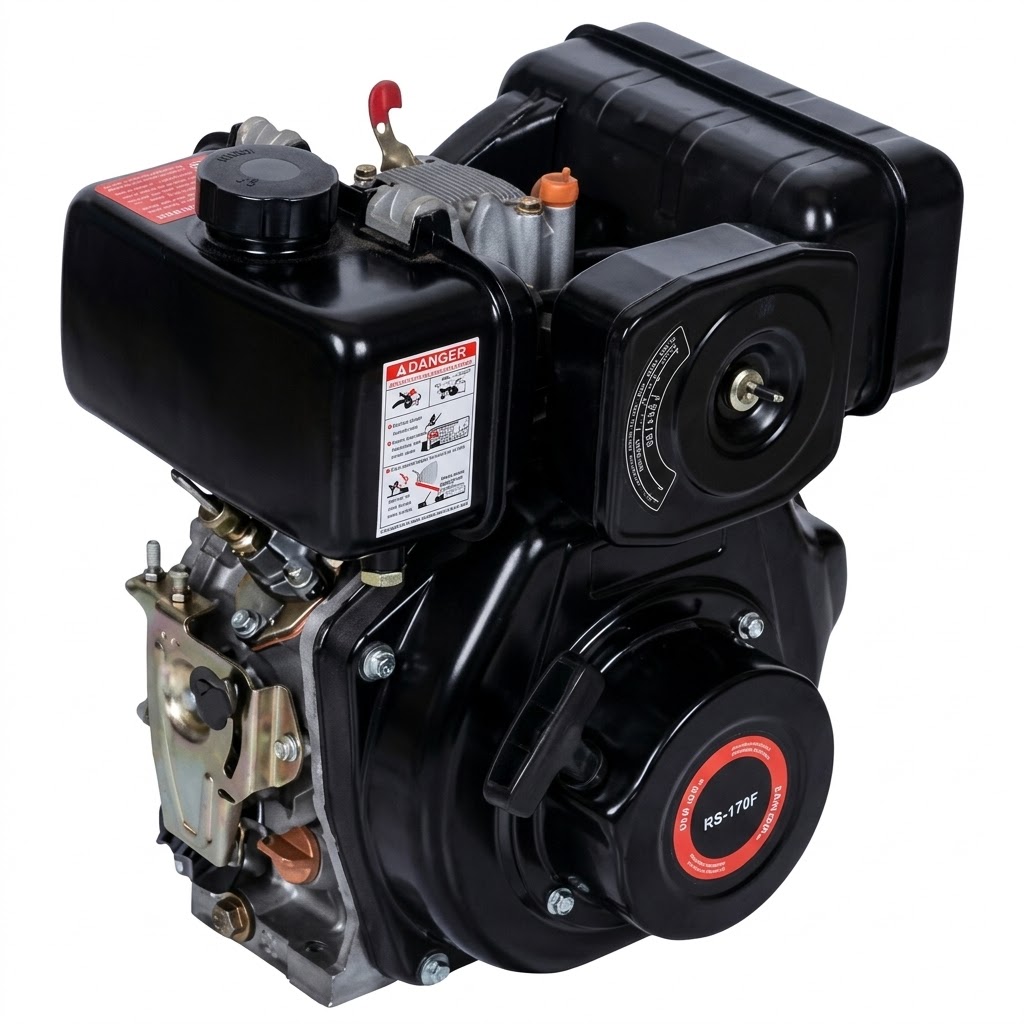
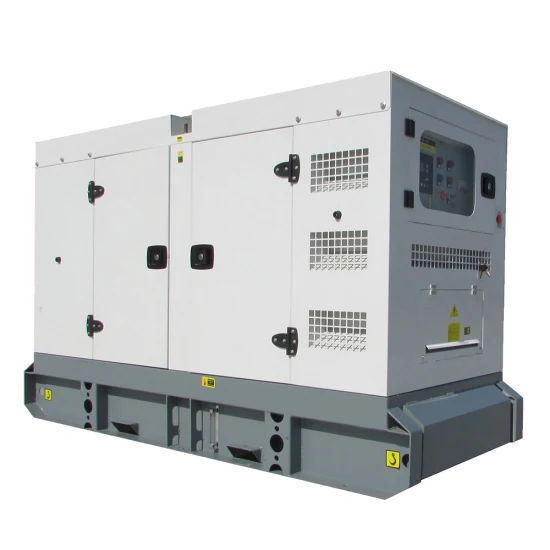
  • Diesel generators: Ideal for continuous or heavy loads. Durable in Uganda’s tropical climate and high-altitude regions.
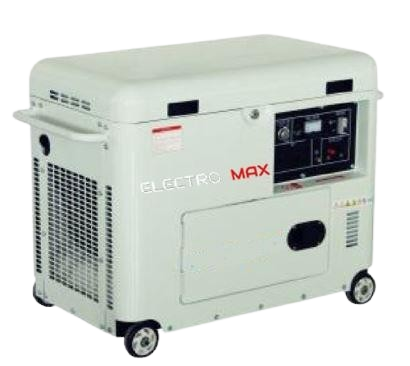
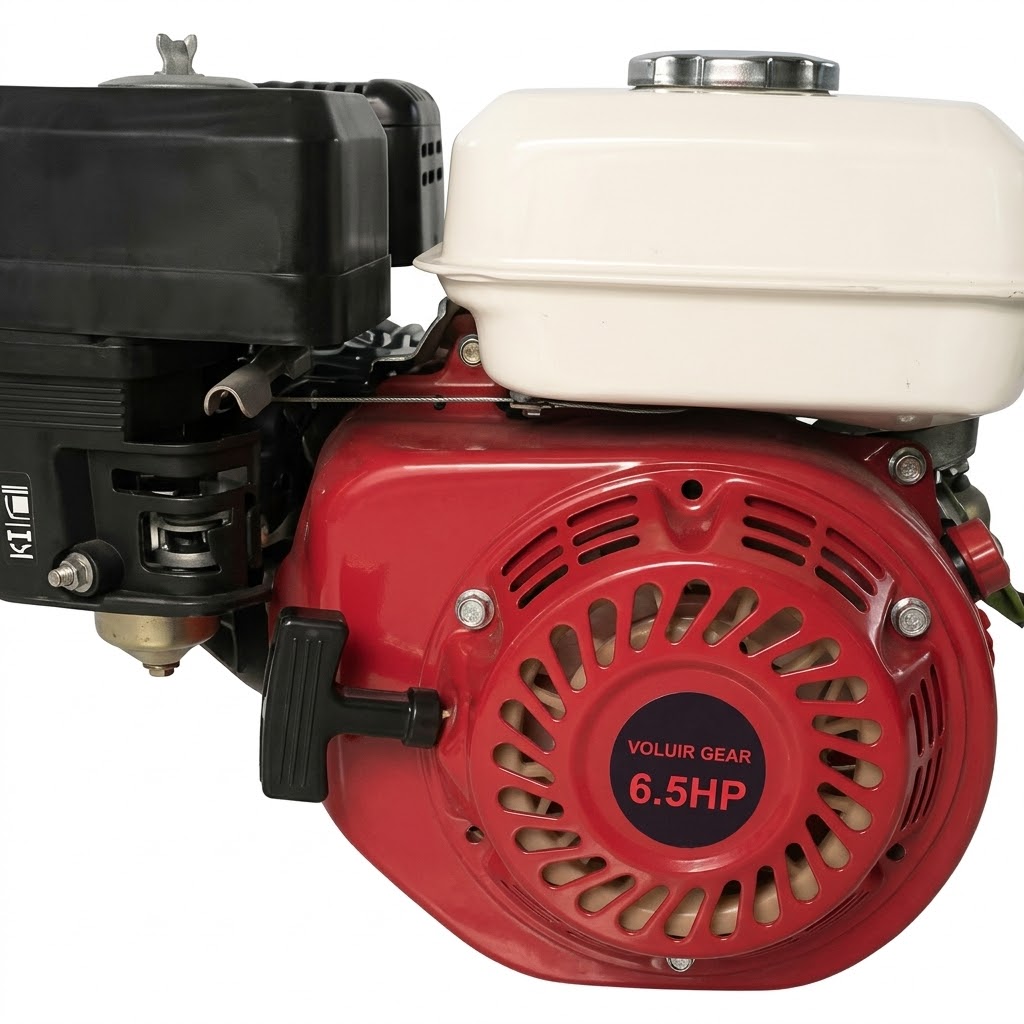
  • Gasoline generators: Cost-effective for intermittent loads; quieter, suitable for homes.
  • Inverter generators: Provide stable voltage for sensitive electronics; fuel-efficient for variable loads.

Explore Jamali Tech’s range of diesel generators and domestic gasoline generators optimized for Ugandan homes.


Step 3: Consider Environmental and Regional Factors

Generator performance in Uganda is affected by:

  • Altitude: Diesel and gasoline generators lose 5–10% output above 1,500 meters (Kapchorwa, Fort Portal).
  • Humidity and rain: Ensure water-resistant enclosures during the wet season.
  • Dust and dirt: Northern and eastern Uganda (Karamoja, Jinja) require frequent air filter cleaning.
  • Temperature: Tropical heat increases cooling requirements; use air-cooled units for <7 kVA, water-cooled for >7 kVA.

Jamali Tech generators are engineered to withstand these East African conditions, maintaining stable voltage and efficiency.


Step 4: Fuel Tank Capacity and Runtime

Generator runtime is influenced by load and fuel tank size. Proper sizing ensures uninterrupted power during grid outages.

Generator TypeTypical Tank Capacity (L)Runtime (hrs)Efficiency Notes
Diesel 5 kVA208–12Efficient under continuous load
Diesel 10 kVA3010–15Suitable for small industries
Gasoline 3 kVA124–6Ideal for intermittent home use
Inverter 5 kVA156–8Fuel-efficient under variable loads

Jamali Tech’s generator models balance capacity and efficiency for Uganda-specific conditions.


Step 5: Voltage Stability and Safety Considerations

Voltage regulation is critical for protecting electronics. Look for generators with an Automatic Voltage Regulator (AVR) to maintain consistent output.

  • Avoid overloading generators; stay within rated kVA.
  • Ensure proper grounding and installation per UNBS safety regulations.
  • Residential homes may prefer inverter generators for sensitive electronics.
  • Commercial facilities may require diesel units with AVR and stable voltage under full load.

Jamali Tech offers AVR-equipped generators suitable for residential and industrial applications in Uganda.


Step 6: Noise Levels and Residential Compliance

Residential areas in Kampala, Jinja, and Mbarara require generators operating ≤65 dB. Noise reduction measures include:

  • Soundproofed enclosures for diesel units
  • Anti-vibration mounts
  • Using inverter gasoline generators for quieter operation

Jamali Tech provides solutions tailored for urban homes while maintaining high power output.


Step 7: Maintenance Requirements

Proper maintenance ensures longevity and consistent performance.

Diesel Generators:

  • Oil and filter replacement every 250–300 hours
  • Air filter inspection monthly
  • Fuel filter replacement every 300 hours
  • Load testing 1–2 times per month

Gasoline Generators:

  • Spark plug inspection every 100–150 hours
  • Carburetor cleaning monthly
  • Fuel stabilizer use for extended storage
  • Oil changes every 100–150 hours

Jamali Tech provides professional maintenance and servicing across Uganda.


Step 8: Installation Guidelines

Proper installation ensures safety and optimal performance:

  • Place on a flat, concrete base
  • Maintain 1–2 meters clearance from walls
  • Ensure adequate ventilation to prevent carbon monoxide buildup
  • Connect to the main panel using a transfer switch
  • Comply with Uganda National Bureau of Standards (UNBS) guidelines

Professional installation is available via Jamali Tech.


Regional Considerations for Generator Sizing in Uganda

  • Highlands (Kapchorwa, Fort Portal): Slight output derating; diesel units preferred for continuous operation.
  • Wet season (April–May, October–November): Water-resistant enclosures recommended.
  • Dusty regions (Karamoja, Northern Uganda): Frequent air filter cleaning required.
  • Urban centers (Kampala, Jinja, Mbarara): Noise compliance critical; inverter generators recommended.

Jamali Tech ensures all generators are designed for East African climates and terrain.


Cost Considerations

Generator costs vary by type, capacity, and brand:

TypekVA RangeApproximate Price UGXRecommended Use
Diesel5–104,500,000–8,000,000Homes & commercial sites
Diesel10–208,000,000–18,000,000Industrial use
Gasoline3–52,500,000–5,500,000Residential intermittent use
Inverter3–53,000,000–6,000,000Urban homes & sensitive electronics

Diesel units have higher upfront costs but lower operating expenses over time.


How to Choose Generator Size Uganda: Summary Checklist

  1. Calculate total load including all appliances and devices.
  2. Add surge buffer for startup of motors/pumps.
  3. Select fuel type based on load and usage patterns.
  4. Consider environment – altitude, temperature, dust, humidity.
  5. Check fuel tank capacity to ensure sufficient runtime.
  6. Verify voltage regulation and noise compliance.
  7. Schedule regular maintenance to prolong lifespan.
  8. Use professional installation for safety and UNBS compliance.

Why Jamali Tech is the Go-To Provider in Uganda

  • UNBS-certified products designed for East African climates
  • Wide range of diesel, gasoline, and inverter generators
  • Expert sizing advice and professional installation
  • Maintenance, spare parts, and technical support across Uganda

Learn more about Jamali Tech on our About Us page or view our projects.


Localized Call to Action

Need Reliable Power Equipment?
Contact Jamali Tech for competitive pricing on industrial-grade generators, heavy-duty water pumps, and agricultural machinery.
• Email: info@jamalitech.com
• Phone: +256 742 264 753
• Office: Kampala, Uganda
• Hours: Mon – Fri: 8:00 AM – 6:00 PM
• Get a Free Quote: Contact Jamali Tech

Regional Delivery Guarantee: Fast, reliable dispatch from our Kampala headquarters. Serving major regions including Mbarara, Gulu, Jinja, and comprehensive cross-border logistics to Nairobi.