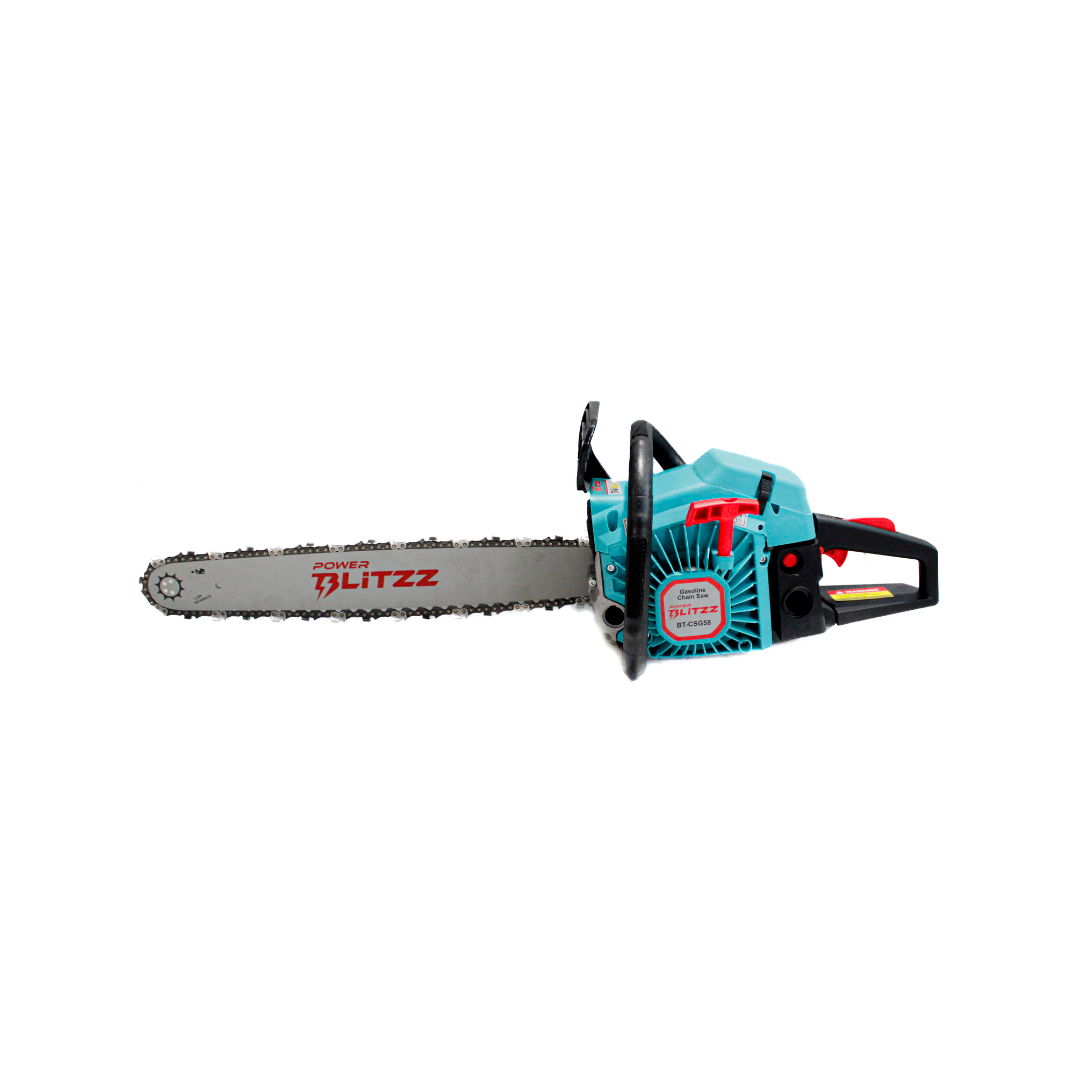
Why Every Contractor in Uganda Must Prioritize the Right Construction Tools
Construction tools in Uganda are the foundation of project efficiency, determining how fast, safely, and cost-effectively contractors complete building, infrastructure, and industrial projects. In 2026, contractors who rely on outdated manual tools face higher labor costs, longer project timelines, and inconsistent structural quality compared to those using modern power tools.
Uganda’s construction industry is experiencing accelerated growth driven by:
- Urban expansion in Kampala Metropolitan Area
- Road and transport infrastructure development under EAC integration
- Industrial park construction and factory expansion
- Private real estate development in emerging cities like Mbarara, Gulu, and Jinja
In this environment, contractors must adopt high-performance, durable, and generator-compatible tools designed for African site conditions such as dust, humidity, and unstable electricity supply.
Jamali Tech provides industrial-grade equipment engineered specifically for these challenges:
- Power Tools for Contractors
- Industrial Equipment Overview
- Agricultural and Construction Machinery Ecosystem
The Role of Construction Tools in Modern Ugandan Contracting
Construction tools in Uganda determine contractor competitiveness by directly influencing productivity, labor efficiency, and structural accuracy across residential, commercial, and infrastructure projects.
Modern contractors rely on tools to:
- Reduce manual labor dependency
- Improve precision in structural assembly
- Speed up construction timelines
- Maintain consistent quality standards
Key challenges in Uganda include:
- Unstable grid electricity in semi-urban areas
- High dust exposure on construction sites
- Heavy rainfall disrupting outdoor operations
- Rising labor costs in urban centers
These challenges make industrial-grade power tools essential rather than optional.
Supporting infrastructure tools:
Essential Power Tools Every Contractor Must Have
Every contractor in Uganda requires a core set of power tools including drills, grinders, cutters, mixers, and finishing tools to efficiently execute structural, fabrication, and finishing tasks across construction sites.
These tools form the backbone of professional construction workflows:
1. Drilling Systems
Used for anchoring, reinforcement, and installation tasks.
Access tools:
2. Angle Grinders
Used for cutting, shaping, and finishing metal and stone surfaces.
Access tools:
3. Cutting Tools
Used for steel fabrication, masonry cutting, and framing.
Access tools:
4. Concrete Mixers
Used for producing uniform concrete for structural foundations.
Access tools:
5. Finishing Tools
Used for polishing, sanding, and surface refinement.
Access tools:
Drills: The Backbone of Structural Construction
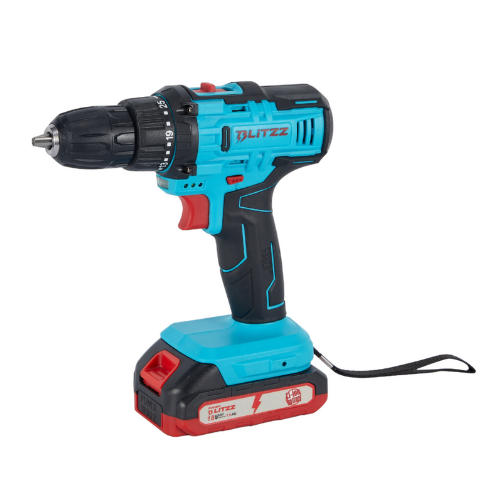
Drills are the most critical construction tools in Uganda because they are used in nearly every stage of structural work, from steel reinforcement to electrical installation and concrete anchoring.
Modern contractor-grade drills offer:
- High torque output for reinforced concrete
- Brushless motor technology for extended lifespan
- Cordless and corded flexibility for different job sites
- Overload protection systems for safety
Common applications:
- High-rise construction in Kampala
- Industrial steel fabrication
- Electrical conduit installation
- Road infrastructure anchoring
Contractors often combine drilling systems with:
Angle Grinders: Essential for Fabrication and Structural Work
Angle grinders are essential construction tools in Uganda used for cutting, grinding, and polishing metal and masonry materials in fabrication and structural construction environments.
They are widely used in:
- Steel reinforcement cutting
- Welding joint finishing
- Stone and concrete shaping
- Fabrication workshops
Key operational challenges include:
- Dust clogging motor systems
- Overheating under continuous use
- Voltage fluctuations on unstable grids
Industrial solutions include:
- Sealed motor housings
- Reinforced gear systems
- Thermal overload protection
Supporting systems:
Cutting Tools: Precision and Speed in Construction
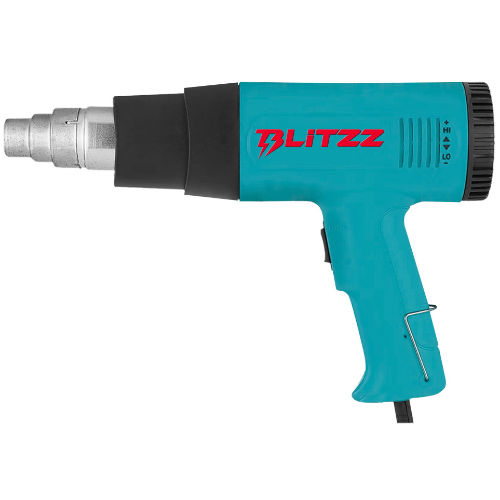
Cutting tools improve construction accuracy and efficiency by enabling contractors in Uganda to precisely shape steel, timber, and masonry materials with minimal waste and faster execution time.
Applications include:
- Steel beam fabrication
- Timber framing
- Concrete block trimming
- Pipe installation adjustments
Engineering features:
- High-speed motor performance
- Safety blade guard systems
- Anti-kickback mechanisms
Explore tools:
Concrete Mixers: Ensuring Structural Integrity
Concrete mixers are essential construction tools in Uganda because they ensure consistent material composition, which directly affects structural strength, durability, and long-term safety of buildings.
They are used in:
- Foundation construction
- Road pavement works
- Commercial building slabs
- Industrial flooring systems
Operational requirements in Uganda:
- Continuous-duty performance capability
- Resistance to high humidity and heat
- Compatibility with generator power systems
Supporting equipment:
Finishing Tools: Delivering Professional Construction Quality
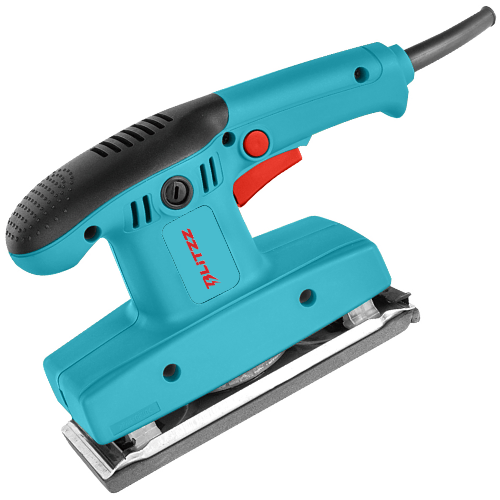
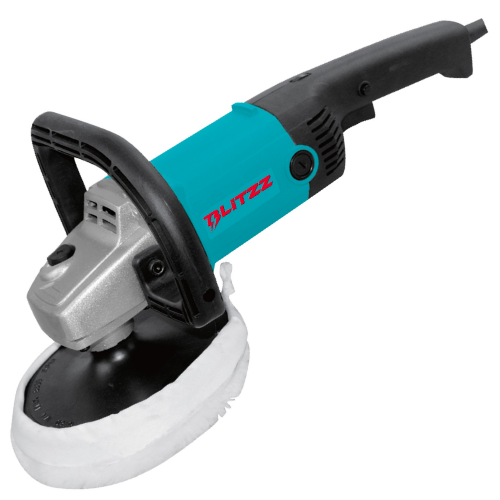
Finishing tools such as sanders and polishers are used in Uganda to refine surfaces and ensure professional-grade aesthetics and structural smoothness in construction projects.
Applications include:
- Wall finishing and plaster smoothing
- Metal surface polishing
- Flooring preparation
- Interior wood finishing
Key features:
- Variable speed control
- Low vibration design
- Dust extraction compatibility
Access tools:
Corded vs Cordless Construction Tools in Uganda
Corded tools are best suited for high-power continuous operations, while cordless tools are ideal for mobility and remote construction sites where power access is limited or unstable.
Comparison Overview:
Corded tools:
- High power output
- Continuous operation capability
- Ideal for workshops and industrial sites
Cordless tools:
- High mobility
- Suitable for field operations
- Battery-dependent flexibility
Cordless systems are widely used in:
- Rural infrastructure development
- Road construction outside urban centers
- Emergency repair works
Access:
Safety Standards and UNBS Compliance
Construction tools in Uganda must comply with UNBS (Uganda National Bureau of Standards) requirements to ensure safety, reliability, and performance consistency in demanding construction environments.
Compliance ensures:
- Electrical insulation safety
- Mechanical protection systems
- Overload prevention mechanisms
- Safe operational voltage ranges
Jamali Tech ensures:
- Regional compliance alignment
- Industrial-grade safety standards
- East African construction suitability
Learn more:
Field Applications of Construction Tools in Uganda
Construction tools are used across residential housing, industrial construction, infrastructure development, and agricultural facility building projects throughout Uganda and the wider East African region.
Key applications:
- Residential housing developments in Kampala suburbs
- Highway and road construction projects
- Industrial manufacturing facilities
- Agricultural processing infrastructure
Supporting systems:
Maintenance Strategy for Construction Tools
Proper maintenance of construction tools in Uganda is essential for maximizing performance, reducing downtime, and extending equipment lifespan under harsh environmental conditions.
Maintenance schedule:
- Daily cleaning after site use
- Weekly lubrication
- Monthly electrical inspection
- Quarterly performance testing
Common failure points:
- Dust-induced motor wear
- Bearing failure
- Cable insulation damage
Support:
Economic Impact of Construction Tools in Uganda
Construction tools significantly reduce project costs in Uganda by improving labor efficiency, reducing material wastage, and accelerating project completion timelines across infrastructure and commercial developments.
Economic benefits:
- Reduced labor costs
- Faster project completion
- Higher structural precision
- Improved ROI for contractors
This is especially visible in:
- Commercial real estate projects
- Government infrastructure development
- Industrial construction zones
Contractor Procurement Strategy in Uganda
Contractors in Uganda must prioritize durability, energy efficiency, and service availability when selecting construction tools to ensure long-term operational reliability and cost efficiency.
Procurement checklist:
- Compatibility with generator systems
- Spare parts availability
- Warranty coverage
- UNBS compliance certification
Conclusion: Why Jamali Tech Is the Contractor’s Choice in Uganda
Jamali Tech is the preferred supplier of construction tools in Uganda because it delivers industrial-grade, UNBS-compliant equipment engineered for East African construction environments including dust, heat, humidity, and unstable power conditions.
Key advantages:
- Heavy-duty industrial durability
- Generator-compatible systems
- Regional support and supply network
- Optimized for African construction conditions
Explore full solutions:
FINAL
Need Reliable Power Equipment?
Contact Jamali Tech for competitive pricing on industrial-grade generators, heavy-duty water pumps, and agricultural machinery.
• Email: info@jamalitech.com
• Phone: +256 742 264 753
• Office: Kampala, Uganda
• Hours: Mon – Fri: 8:00 AM – 6:00 PM
• Get a Free Quote: https://jamalitech.com/contact/
Regional Delivery Guarantee: Fast, reliable dispatch from our Kampala headquarters. Serving major regions including Jinja, Mbarara, Gulu, and comprehensive cross-border logistics to Nairobi.