
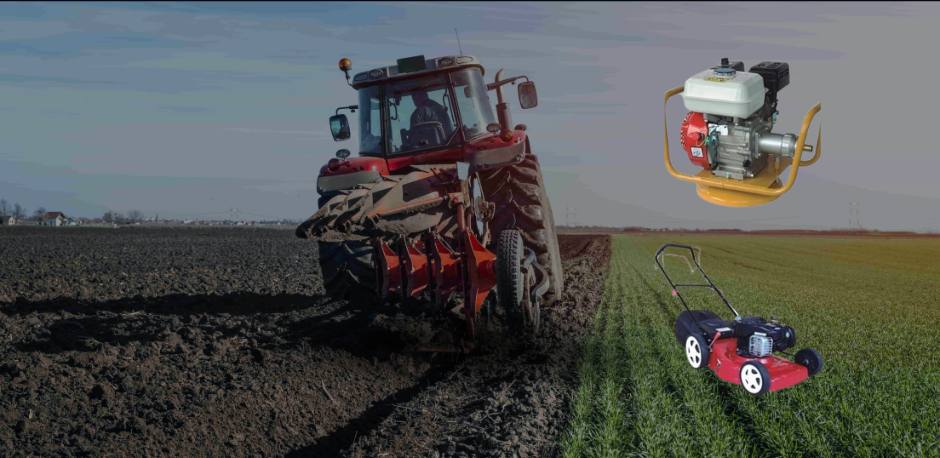
Uganda’s agricultural sector employs over 70 percent of the population and contributes nearly a quarter of the national GDP. From smallholder farms in the central region to large-scale plantations in the eastern and western corridors, mechanised equipment has transformed productivity. Yet many farmers and agribusiness operators undermine their investment by neglecting routine farm equipment maintenance Uganda practices. A rotary cultivator that should last a decade fails in three years. A brush cutter that should deliver five trouble-free seasons seizes after two. The root cause is almost always deferred maintenance. This comprehensive guide teaches you how to care for agricultural tools Kampala suppliers like Jamalitech provide, ensuring maximum lifespan, peak performance, and the best possible return on your equipment investment.
Why Equipment Maintenance Is Critical for Ugandan Farmers
Proper maintenance extends equipment life by 50-100 percent, reduces breakdown frequency by up to 80 percent, and maintains resale value for when you upgrade. In Uganda, where replacement parts may take days to arrive in rural areas, a breakdown during planting or harvest season can mean lost crops and lost income. Prevention is always cheaper than repair.
Uganda’s equatorial climate subjects machinery to extreme stress. During the rainy seasons (March-May and September-November), high humidity accelerates rust and corrosion on exposed metal surfaces. Red laterite dust during the dry season infiltrates air filters, carburetor jets, and bearing seals, causing accelerated wear. Temperature swings between cool highland mornings and hot midday sun expand and contract metal components, loosening fasteners and degrading rubber seals.
Farmers who invest in quality agricultural machinery from Jamalitech deserve to get every shilling’s worth of value from their purchase. The maintenance practices outlined in this guide apply to the most common mechanised equipment used across Uganda, including rotary cultivators, brush cutters, knapsack sprayers, chainsaws, and lawn mowers. Follow these routines consistently, and your equipment will reward you with years of reliable service.
Daily Pre-Use Checks: The Five-Minute Habit That Saves Millions
Every operator should perform a five-minute walkaround inspection before starting any piece of equipment. Check engine oil level, fuel level, air filter condition, control functionality, and visible damage. This simple habit catches 90 percent of problems before they escalate into costly repairs. It takes discipline, but the payoff is enormous.
For engine-powered equipment such as rotary cultivators and brush cutters, begin with the oil dipstick. Running an engine with low oil, even briefly, causes metal-on-metal contact that scores cylinder walls and bearing surfaces beyond repair. Top up with the manufacturer-recommended oil grade. In Uganda’s warm climate, SAE 10W-40 is the most common multi-grade recommendation for four-stroke engines.
Next, inspect the air filter. In dusty Ugandan conditions, a foam or paper air filter can clog within a single day of heavy use. A clogged filter restricts airflow, causing the engine to run rich, foul spark plugs, and waste fuel. Foam filters can be washed in soapy water and re-oiled; paper filters must be tapped clean or replaced. Keep spare filters in stock, they are inexpensive insurance against downtime. Check Jamalitech’s online store for genuine replacement filters.
Weekly Maintenance: Sharpening, Lubrication, and Belt Checks
Once a week, dedicate 30-60 minutes to sharpening blades, greasing fittings, inspecting belts and cables, and tightening fasteners. Dull blades force the engine to work harder, consuming more fuel and generating more heat. Un-greased bearings seize. Loose bolts lead to vibration damage. Weekly attention prevents the slow deterioration that leads to sudden failure.
Blade sharpening is particularly important for brush cutters and lawn mowers. A sharp blade cuts cleanly, leaving grass and brush with minimal tissue damage that promotes healthy regrowth. A dull blade tears and shreds, creating entry points for disease and requiring more engine power. Use a flat file or bench grinder to restore the factory edge angle, typically 30-35 degrees. Balance the blade after sharpening by suspending it on a nail through the centre hole; an unbalanced blade causes destructive vibration.
Lubricate all grease nipples with a hand-operated grease gun loaded with multi-purpose lithium grease. Pay special attention to wheel bearings, tiller shaft bearings, and throttle cable pivot points. In Uganda’s humid climate, moisture displaces lubricant faster than in arid regions, so weekly greasing is the minimum acceptable frequency. For equipment stored outdoors, consider twice-weekly lubrication during the rainy season.
Monthly Service: Deep Cleaning, Filter Replacement, and Calibration
Monthly servicing goes beyond the weekly routine to include engine oil changes for heavily used equipment, fuel-system cleaning, spark plug inspection, and sprayer calibration. This is also the time to check tyre pressures, inspect drive chains, and clean cooling fins. A thorough monthly service takes two to four hours but prevents the accumulation of minor issues into major failures.
For knapsack sprayers, monthly calibration ensures accurate chemical application. An under-calibrated sprayer wastes expensive agrochemicals and risks crop damage from over-application. An over-calibrated sprayer delivers insufficient coverage, allowing pests and diseases to survive. Use the manufacturer’s calibration procedure, which typically involves measuring output volume over a fixed walking speed and adjusting the nozzle pressure accordingly.
Engine oil in small air-cooled engines degrades rapidly under Uganda’s high ambient temperatures. Change oil every 25-50 hours of operation for new equipment and every 100 hours for broken-in engines. Use a drain pan and dispose of waste oil responsibly; many Kampala fuel stations accept used oil for recycling. Replace the oil filter (if equipped) at every other oil change. For equipment with a centrifugal oil cleaner, disassemble and clean the sludge chamber monthly.
Seasonal Overhaul: Preparing for Rainy and Dry Season Transitions
Uganda’s two rainy seasons and two dry seasons create distinct operating conditions that demand seasonal equipment adjustments. Before the rains, waterproof electrical connections, apply rust inhibitor to exposed metal, and switch to wet-condition tyres or tracks. Before the dry season, clean all mud accumulation, replace worn dust seals, and service air-filtration systems for maximum dust protection.
At the transition from dry to wet season, inspect all rubber components: drive belts, O-rings, fuel lines, and vibration mounts. UV exposure during the dry season degrades rubber, and the sudden temperature and humidity shift of the rains can cause weakened components to crack or split. Replace any rubber part that shows surface cracking, hardening, or swelling. These parts are inexpensive individually but catastrophic when they fail during critical field operations.
For equipment that will be stored between seasons, follow a proper layup procedure. Drain or stabilise fuel to prevent carburettor gumming. Run the engine for five minutes with stabilised fuel to circulate it through the system. Remove the spark plug and add a teaspoon of engine oil to the cylinder, then pull the starter cord slowly to distribute the oil and prevent cylinder corrosion. Store the equipment in a dry, ventilated shed, elevated off the ground on blocks to prevent moisture wicking. Cover with a breathable fabric cover rather than plastic, which traps condensation. For generator-related seasonal care, see our generator maintenance guide.
Maintenance Schedule by Equipment Type
Different equipment types have different maintenance requirements based on their complexity, operating environment, and wear patterns. The table below provides a consolidated maintenance schedule for the five most common agricultural machines sold in Uganda. Print it and post it in your equipment shed as a quick reference for your operators.
| Equipment | Daily Check | Weekly Service | Monthly Service | Seasonal Overhaul | Common Spare Parts |
|---|---|---|---|---|---|
| Rotary Cultivator | Oil level, fuel, tine condition, belt tension | Grease bearings, tighten bolts, clean air filter | Oil change, spark plug, drive-chain adjustment | Replace tines, inspect gearbox oil, repaint exposed metal | Tines, drive belt, air filter, spark plug, gearbox oil seal |
| Brush Cutter | Fuel mix ratio, blade sharpness, harness condition | Clean air filter, sharpen/replace blade, check throttle cable | Replace spark plug, inspect clutch drum, clean exhaust port | Replace fuel lines, inspect crankshaft bearings, service carburettor | Cutting blade/line, air filter, spark plug, fuel filter, clutch spring |
| Knapsack Sprayer | Check for leaks, nozzle blockage, pump pressure | Flush tank with clean water, inspect hose connections | Replace worn nozzle tips, calibrate output, inspect diaphragm/piston | Replace all seals and gaskets, overhaul pump, clean tank interior | Nozzle tips, diaphragm, O-rings, lance gasket, pressure chamber |
| Chainsaw | Chain tension, bar oil level, chain sharpness, safety brake | Sharpen chain, clean bar groove, inspect sprocket | Replace air filter, check spark plug gap, clean cooling fins | Replace chain and bar, inspect clutch, service anti-vibration mounts | Saw chain, guide bar, sprocket, air filter, starter rope |
| Lawn Mower | Oil level, blade condition, wheel height setting | Sharpen and balance blade, clean underside of deck | Oil change, spark plug, air filter, cable adjustment | Replace blade, inspect wheel bearings, service self-propel mechanism | Blade, air filter, spark plug, drive belt, wheels |
Sourcing Genuine Spare Parts in Uganda
Counterfeit and substandard spare parts are a persistent problem in East Africa, with some estimates suggesting 30-40 percent of automotive and machinery parts sold in informal markets are fake. Using non-genuine parts voids warranties, reduces performance, and can cause dangerous failures. Always source spares from authorised dealers like Jamalitech who guarantee authenticity.
Common signs of counterfeit parts include suspiciously low prices, poor packaging quality, misspelled brand names, and inconsistent finish compared to original equipment. Air filters made from low-density foam, for example, allow fine dust particles through, negating the purpose of filtration entirely. Counterfeit spark plugs with incorrect heat ranges cause misfiring and engine damage. Fake cutting blades made from soft steel dull within hours and may shatter under stress, posing a serious safety risk.
Jamalitech stocks genuine spare parts for all equipment brands we sell. Orders placed before noon are dispatched the same day within Kampala, and upcountry shipments reach Jinja, Mbarara, Gulu, and Mbale within two to three business days. For bulk orders from large farms and agricultural cooperatives, we offer discounted pricing and scheduled delivery. Keeping a basic spare-parts kit on the farm, including filters, spark plugs, belts, and blades, ensures you are never stranded waiting for a delivery during peak season.
Operator Training: The Most Overlooked Maintenance Factor
Equipment is only as good as the person operating it. Untrained operators over-rev engines, ignore warning signs, skip pre-use checks, and use incorrect fuel mixes. Investing a single day in operator training reduces maintenance costs by 30-50 percent and virtually eliminates abuse-related failures. Every farm should make training mandatory for anyone who touches a machine.
Key training topics include correct starting and shutdown procedures, safe operating posture (especially for brush cutters and chainsaws), fuel mixing ratios for two-stroke engines, and emergency stop operation. Operators should understand why each daily check matters, not just how to perform it. When a worker knows that low oil causes irreversible engine damage worth UGX 2,000,000 to repair, they are far more likely to check the dipstick every morning.
Jamalitech offers equipment demonstration and basic operator training at our Kampala location for customers purchasing agricultural machinery for modern farming. We walk your team through assembly, operation, daily checks, and basic troubleshooting. For large farms with multiple operators, we can arrange on-site training sessions. Contact our team via our contact page to schedule a session.
Storage Best Practices for Uganda’s Climate
How you store equipment between uses is just as important as how you maintain it during operation. Uganda’s combination of high humidity, intense UV radiation, and seasonal temperature swings degrades idle equipment rapidly. A simple covered storage area with good ventilation and a raised floor is the minimum requirement for protecting your investment.
Never leave equipment sitting in direct sunlight. UV radiation degrades plastic housings, rubber grips, and fuel lines within months. Park equipment under a roof or, at minimum, cover it with a UV-resistant tarpaulin. Ensure the storage area is ventilated to prevent condensation buildup, which accelerates corrosion on steel surfaces and promotes mould growth on fabric components.
For equipment with fuel tanks, either drain the fuel completely or add a stabiliser if the machine will sit idle for more than two weeks. Unstabilised petrol begins to degrade after 30 days, forming varnish deposits that clog carburettor jets and fuel filters. Diesel is more stable but can develop microbial growth (diesel bug) in humid conditions. A fuel biocide additive prevents this. Batteries should be disconnected and stored in a cool, dry place. Charge lead-acid batteries monthly to prevent sulphation, which permanently reduces capacity. Keep generator batteries on a maintenance charger if power is available.
When to Repair vs. When to Replace
Every piece of equipment reaches a point where repair costs exceed the value of continued operation. As a rule of thumb, if a single repair costs more than 50 percent of the replacement price, or if the machine has needed three or more major repairs in the past year, it is time to replace. Holding onto worn-out equipment wastes fuel, reduces productivity, and increases the risk of injury.
Signs that a machine is approaching end of life include excessive oil consumption, loss of power under normal load, persistent overheating despite clean cooling systems, and structural cracks in the frame or housing. For two-stroke engines like those in brush cutters and chainsaws, a loss of compression below the manufacturer’s minimum specification means the piston rings and cylinder bore are worn beyond serviceable limits, and a rebuild costs nearly as much as a new unit.
When you do decide to replace, Jamalitech’s full range of agricultural machinery ensures you find a suitable upgrade. Modern equipment is more fuel-efficient, produces fewer emissions, and includes safety features that older models lack. Trading up is not just a maintenance decision; it is an investment in productivity, safety, and long-term profitability. Talk to our sales team for the best trade-in and financing options available to Ugandan farmers.
Contact Jamalitech for Reliable Power Equipment
Office Address: Kampala, Uganda
Phone / WhatsApp: +256 742 264 753
Email: info@jamalitech.com
Website: https://jamalitech.com/
Business Hours:
Mon – Fri: 8:00 AM – 6:00 PM
Sat: 9:00 AM – 4:00 PM
Our Guarantees
- Competitive Pricing: Get the best quotes on generators, water pumps, and machinery.
- Countrywide Delivery: Fast dispatch within Kampala and secure shipping to upcountry regions including Jinja, Mbarara, Gulu, and Mbale.
- Reliability: Genuine equipment built to withstand tough working conditions.