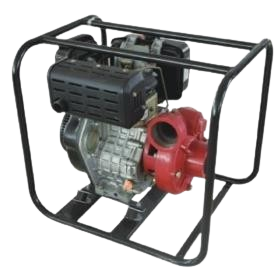
 In Stock
Water Pumps
Diesel Water Pumps
Quick Specs
- CategoryWater Pumps
- AvailabilityIn stock — Industrial Area
- WarrantyManufacturer terms
- DeliverySame/next day in Kampala
- Genuine OEM unit
- Spare parts stocked locally
- On-site commissioning available
Overview
Jamali Tech supplies heavy-duty diesel water pumps across Uganda for commercial irrigation, industrial dewatering, and large-scale water supply projects. Diesel pumps deliver higher flow rates, longer runtime, and lower fuel cost per hour than gasoline alternatives — making them the best choice for sustained high-volume pumping on commercial farms, construction sites, and municipal projects.
Why Diesel Water Pumps Matter for Ugandan Operations
Quick Takeaway: The right Diesel Water Pumps can transform productivity on Ugandan farms, construction sites, and industrial workshops. Jamali Tech supplies models that are tested for durability, backed by warranty, and supported by a full inventory of genuine spare parts.
Across Kampala, Entebbe, Jinja, Mbarara, and upcountry regions, operators depend on equipment that keeps working even when conditions get tough. Dust, heavy rains, extended duty cycles, and remote off-grid locations all put pressure on machinery. Choosing Diesel Water Pumps from a trusted supplier means fewer breakdowns, lower long-term costs, and predictable performance. As part of our complete water pump catalog at Jamali Tech catalog, every unit is selected for proven reliability in East African conditions.
Typical Applications and Use Cases
Quick Takeaway: Diesel Water Pumps serve a wide variety of Ugandan sectors — from commercial farming and real estate development to hospitality and light manufacturing. Our team helps you match the right model to your specific workload.
- Commercial rice, sugarcane, and coffee plantation irrigation
- Large construction site dewatering in Kampala and upcountry
- Municipal water supply and emergency response
- Industrial process water and cooling systems
- Fish farming and aquaculture operations
- Quarry and mining site water management
- NGO and humanitarian water distribution projects
Whether you are running a single-operator workshop or coordinating a large commercial site, picking the correct specification prevents overload and extends the useful life of the machine. The Jamali Tech team routinely advises buyers on which configuration fits their budget and duty cycle best.
Key Specifications
Quick Specification: Jamali Tech stocks multiple variants of Diesel Water Pumps covering entry-level, mid-range, and heavy-duty requirements. The table below summarizes the core technical details you should consider before purchase.
| Specification | Details |
|---|---|
| Inlet / Outlet Size | 2" – 6" |
| Max Flow Rate | 30 – 120 m³/hr |
| Max Head (Lift) | 25m – 80m |
| Engine | Diesel, air-cooled or water-cooled |
| Power | 4HP – 30HP |
| Starting | Recoil or electric start |
| Runtime | Extended duty cycle capable |
| Warranty | Manufacturer warranty included |
Exact model availability depends on current stock. If you need a specification not listed, our team can source it through our distribution partners within a short turnaround window.
Jamali Tech Ugandan Insights
Quick Takeaway: Buying equipment in Uganda is not just about price — it is about support, parts availability, and compliance. Jamali Tech combines competitive pricing with local service that keeps your operation running.
Commercial farmers in Uganda running rice schemes, sugarcane estates, and large coffee farms depend on diesel water pumps because they run for hours at a time moving large volumes of water to the fields. Diesel fuel is cheaper per hour of operation than gasoline, and diesel engines last longer under sustained load. Construction contractors dewatering large foundations during the rainy season need pumps that can handle debris-laden water without clogging, and Jamali Tech supplies trash pumps designed exactly for that purpose. Every diesel pump we sell comes with full warranty coverage and access to genuine spare parts from our Industrial Area showroom in Kampala.
Genuine equipment that meets UNBS (Uganda National Bureau of Standards) expectations protects your workers, your workload, and your bottom line. Cheap imports may look tempting at purchase, but the hidden costs — breakdowns, imported parts delays, unsafe operation, and lost productivity — end up being far higher than the savings. For URA tax-compliant businesses that need to demonstrate operational efficiency and proper capital equipment records, investing in documented, warrantied equipment from Jamali Tech makes bookkeeping, insurance, and audit compliance simpler.
Warranty, Delivery, and After-Sales Support
Quick Takeaway: Every Diesel Water Pumps supplied by Jamali Tech comes with a manufacturer warranty, nationwide delivery, and access to genuine spare parts from our Industrial Area showroom in Kampala.
Our logistics network covers all regions of Uganda, and for larger orders we arrange secure transport directly to your site. Technical commissioning, operator training, and scheduled maintenance contracts are available on request. Bulk buyers, NGOs, and government procurement teams can contact the Jamali Tech technical team for structured pricing and tender-ready documentation. You can also learn more about Jamali Tech Uganda and see why contractors, farmers, and facility managers across the country have chosen us as their long-term equipment partner.
Many of our customers pair their Diesel Water Pumps purchase with complementary equipment such as portable gasoline water pumps, standalone diesel engines, diesel generators, and agricultural machinery, creating a complete Jamali Tech toolkit for their operations.
Frequently Asked Questions About Diesel Water Pumps
How much water can a 4-inch diesel pump move per hour?
A typical 4-inch diesel pump moves approximately 60–80 cubic meters per hour at medium head — enough to irrigate significant acreage of rice or vegetables per day.
Is diesel cheaper than gasoline for water pumping?
For sustained long-runtime applications, yes. Diesel pumps typically use 30–40% less fuel per hour than comparable gasoline units, and diesel engines last longer under continuous load.
Do you supply pumps for dewatering muddy water?
Yes, we supply trash pumps with larger impellers and inlets designed to handle debris-laden water on construction sites and during flood response.
Power Your Progress with Jamali Tech
Whether you are managing a large construction site, running a commercial farm, or securing backup power for your home or business, Jamali Tech delivers equipment you can rely on. We provide high-quality generators, water pumps, agricultural machinery, and professional power tools built for the tough demands of Uganda and East Africa.
Visit our showroom or speak to our technical team today for competitive pricing, reliable warranties, and expert after-sales support.
- Location: Industrial Area, Kampala, Uganda
- Call / WhatsApp: +256 742 264 753
- Email: info@jamalitech.com
- Website: /
Specifications
Technical specifications
- Inlet / outlet size
- 2"–6" (50–150 mm); 3" and 4" are the common farm and site sizes
- Maximum flow rate
- Roughly 500–2,000 l/min (about 30–120 m³/hr) depending on port size
- Maximum head
- About 20–80 m; smaller high-pressure models trade flow for lift
- Engine
- Single-cylinder 4-stroke air-cooled diesel, roughly 4–12 HP on 2"–4" portable frames; water-cooled multi-cylinder on larger units
- Engine displacement
- Roughly 200–500 cc on portable diesel pump sets
- Suction lift
- Up to about 7–8 m — this is a physical limit, so the pump must sit near the water surface
- Starting
- Recoil pull-start on smaller units; electric start with battery on larger frames
- Priming
- Self-priming centrifugal — the casing must be filled with water before the first start
- Weight
- About 45–120 kg; usually mounted on a steel skid or trolley frame
Figures given as ranges cover the models JamaliTech stocks in this class. Confirm the exact unit against your application before ordering.
Applications
What it is used for
Diesel water pumps from JamaliTech in Industrial Area, Kampala are self-priming centrifugal pumps driven by a diesel engine, typically 2 to 6 inches, built for long continuous run hours away from mains power. In Uganda they are chosen over petrol pumps whenever the machine works all day — commercial irrigation, site dewatering, fish ponds, quarries — because diesel burns less fuel per hour of pumping and the engine tolerates sustained duty. The buyer's decision is mainly port size and total head: how much water per hour, and how high and far it must travel.
- All-day irrigation on maize, rice and sugarcane blocks where fuel cost decides the margin
- Dewatering foundations, trenches and murram pits on construction sites
- Filling and draining fish ponds on aquaculture farms
- Drawing from rivers, swamps and valley dams for large commercial farms
- Clearing storm water from factory yards and plots after heavy rain
- Water supply to quarries, camps and estates far from the grid
Questions buyers ask
Diesel or petrol pump — which one will save me money?
Diesel wins on running cost and engine life once you are pumping for several hours a day, most days — irrigation seasons, dewatering contracts, fish ponds. Petrol wins on purchase price and weight, so it suits short, occasional jobs and gardens you water for an hour. As a rough rule in Uganda, if the pump runs more than about three hours a day on a regular basis, the diesel pays back the extra outlay.
How far can it push the water to my garden?
Distance and height work against each other: the pump's maximum head figure is the total of vertical lift plus the pressure lost to friction along the pipe, so a long horizontal run eats into how high you can go. As a guide, every 100 m of horizontal pipe costs you roughly the same as a few metres of lift, and using a larger-diameter delivery hose reduces that loss considerably. Give JamaliTech the vertical rise and the pipe run and they will pick a pump with head to spare.
Can it pump muddy or dirty water from a swamp?
Only if it is a trash pump. A standard clean-water pump has tight impeller clearances and will block or wear out on silt, weed and grit, whereas a trash pump is built with a larger casing and wider passages to pass semi-solids. If you are drawing from a swamp, a dam or a dewatering pit, ask specifically for a trash model and fit a proper strainer on the suction foot valve.
Related Products