
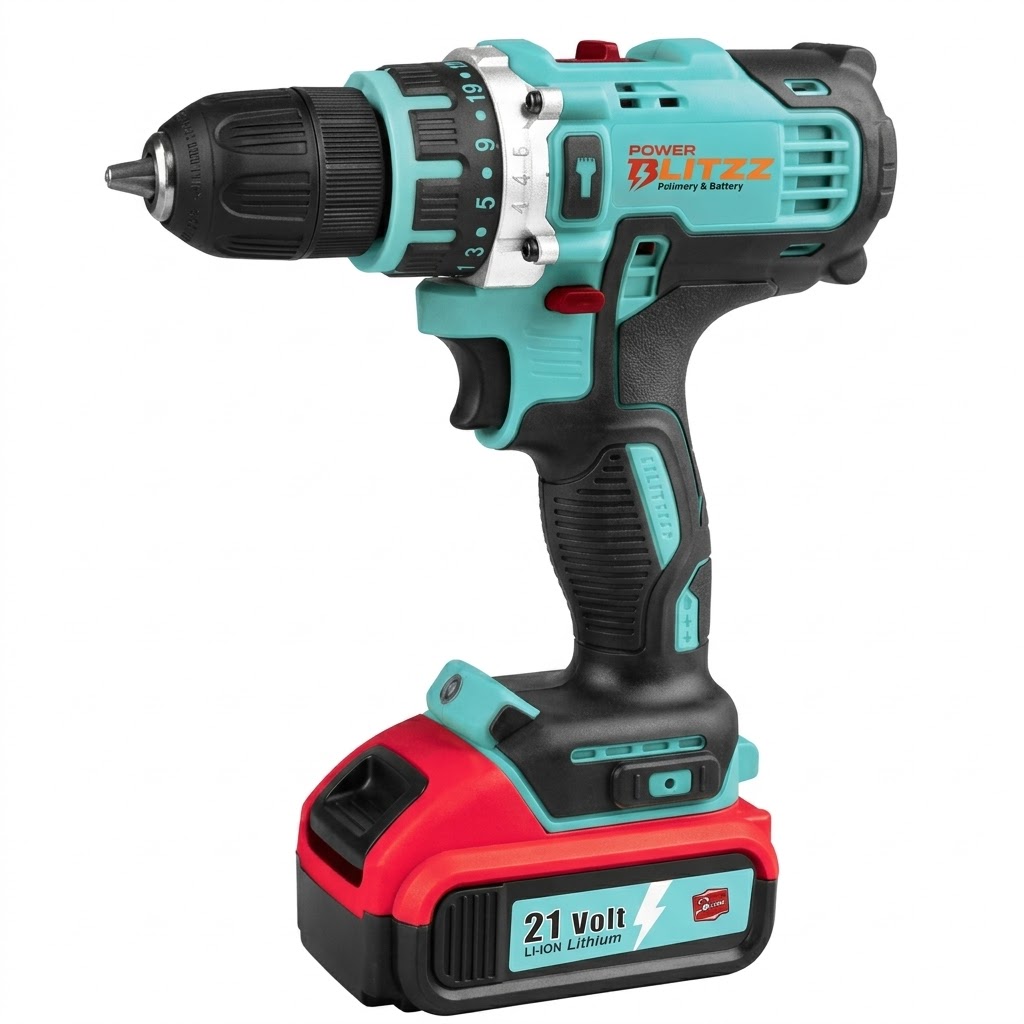
Why the Cordless vs Electric Tools Debate Matters for Contractors in Uganda
Cordless vs electric tools in Uganda determine how efficiently contractors complete construction projects under different site conditions, especially where power stability, mobility, and workload intensity vary significantly. In 2026, the choice between Cordless vs Electric Tools directly affects productivity, operating cost, and project timelines across Uganda’s construction sector.
Uganda’s construction environment presents unique challenges:
- Unstable electricity in peri-urban and rural sites
- High dust exposure in road and infrastructure projects
- Long working hours requiring continuous tool performance
- Rapid urban expansion demanding faster project completion
Contractors must therefore choose tools that align with site power availability, workload intensity, and mobility requirements.
Jamali Tech supplies both systems optimized for East African conditions:
Understanding Cordless vs Electric Tools in Uganda
Cordless tools operate using rechargeable batteries for mobility and flexibility, while electric tools rely on continuous power supply from the grid or generators for sustained high-performance output.
Both systems are widely used in Uganda’s construction industry, but their effectiveness depends on:
- Site power availability
- Project size and intensity
- Required mobility level
- Duration of continuous operation
Cordless systems are preferred for mobility-driven tasks, while electric tools dominate heavy-duty, continuous industrial applications.
1. Power Source Differences: Battery vs Continuous Electricity
Cordless tools use lithium-ion battery systems for independent operation, while electric tools rely on constant power from grid electricity or generators, making them more suitable for continuous heavy-duty applications.
Cordless tools:
- Operate independently of power supply
- Require charging cycles
- Best for mobile construction work
Electric tools:
- Provide continuous power output
- Ideal for workshops and industrial sites
- Depend on stable electricity or generator backup
Supporting infrastructure in Uganda often includes:
2. Mobility and Site Flexibility
Cordless tools offer superior mobility, making them ideal for remote construction sites in Uganda, while electric tools are restricted by cable length and power access but provide consistent high performance.
Cordless advantages:
- No cable restrictions
- Easy movement across scaffolding and rooftops
- Ideal for rural or off-grid projects
Electric tool limitations:
- Requires power source proximity
- Extension cables needed for large sites
- Reduced mobility in uneven terrain
Cordless systems are widely used in:
- Road construction projects in rural Uganda
- Roofing and high-rise installations in Kampala
- Emergency repair works
3. Power Output and Performance Consistency
Electric tools generally provide higher and more consistent power output compared to cordless tools, making them better suited for heavy-duty construction tasks in Uganda.
Electric tools:
- High torque output
- Continuous operation capability
- Suitable for industrial fabrication
Cordless tools:
- Moderate power output depending on battery
- Performance may reduce as battery drains
- Best for intermittent tasks
This makes electric tools dominant in:
- Steel fabrication workshops
- Concrete mixing and heavy drilling
- Industrial construction sites
4. Battery Life vs Operational Continuity
Cordless tools are limited by battery life and charging cycles, while electric tools provide uninterrupted operation as long as power is available.
Cordless limitations:
- Battery depletion during long shifts
- Requires spare battery management
- Charging downtime affects productivity
Electric advantages:
- Continuous operation without interruption
- Ideal for long industrial shifts
- No dependency on battery lifecycle
For continuous power support:
5. Cost Efficiency and Long-Term Investment
Cordless tools often have higher upfront and replacement battery costs, while electric tools typically offer lower long-term operating costs in industrial environments.
Cordless cost structure:
- Higher initial purchase cost
- Battery replacement expenses
- Charging infrastructure requirements
Electric cost structure:
- Lower upfront cost per tool
- Minimal consumable replacements
- Requires stable electricity or generator fuel
Contractors in Uganda often choose based on:
- Project duration
- Site mobility requirements
- Availability of electricity infrastructure
6. Durability in Uganda’s Construction Environment
Electric tools generally offer higher durability for continuous industrial use, while cordless tools are more sensitive to heat, dust, and battery degradation under harsh Ugandan site conditions.
Uganda’s environmental challenges include:
- High humidity levels causing corrosion
- Dust-heavy construction zones
- High temperatures affecting battery performance
Electric tools:
- Better heat dissipation
- More robust for continuous workloads
- Suitable for fabrication workshops
Cordless tools:
- Require careful battery maintenance
- Sensitive to extreme heat exposure
- Best for controlled usage environments
7. Best Use Cases for Contractors in Uganda
Cordless tools are best for mobility-driven, light-to-medium tasks, while electric tools are best for heavy-duty, continuous construction operations requiring maximum power output.
Cordless Tool Use Cases:
- Roofing installation
- Electrical fitting
- Field repairs
- Rural construction projects
- Roadside infrastructure maintenance
Access:
Electric Tool Use Cases:
- Steel fabrication
- Concrete mixing and drilling
- Workshop-based manufacturing
- Industrial construction projects
Access:
Technical Comparison: Cordless vs Electric Tools in Uganda
The main difference between Cordless vs Electric Toolsin Uganda lies in power consistency, mobility, and operational efficiency under varying construction site conditions.
Comparison Summary of Cordless vs Electric Tools
| Factor | Cordless Tools | Electric Tools |
|---|---|---|
| Power Source | Battery | Grid / Generator |
| Mobility | High | Limited |
| Power Output | Medium | High |
| Runtime | Limited | Unlimited |
| Maintenance | Battery care | Electrical system care |
| Best Use | Field work | Industrial work |
Impact of Uganda’s Construction Environment on Tool Selection
Uganda’s construction environment significantly influences whether contractors choose Cordless vs Electric Toolsdue to inconsistent power supply, high dust levels, and diverse project locations.
Key environmental factors:
- Unstable grid electricity in rural areas
- Heavy dust from construction and roadworks
- High humidity affecting tool lifespan
- Mixed urban-rural construction operations
This leads contractors to adopt hybrid tool strategies combining both systems.
Hybrid Strategy: Why Smart Contractors Use Both Systems
Most successful contractors in Uganda use both Cordless vs Electric Tools strategically to balance mobility and power efficiency across different construction tasks.
Hybrid approach benefits:
- Cordless tools for mobility tasks
- Electric tools for heavy-duty operations
- Reduced downtime across job sites
- Increased operational flexibility
Supporting infrastructure:
Safety Standards and UNBS Compliance
Cordless vs Electric Tools used in Uganda must comply with Uganda National Bureau of Standards (UNBS) requirements to ensure electrical safety, mechanical reliability, and operational durability.
Compliance ensures:
- Safe voltage handling
- Thermal protection systems
- Mechanical safety guards
- Reduced workplace accident risks
Jamali Tech ensures all tools meet:
- East African industrial standards
- UNBS certification requirements
- Commercial-grade durability benchmarks
Learn more:
Maintenance Strategy for Both Tool Types
Proper maintenance of cordless and electric tools in Uganda ensures longer lifespan, reduced downtime, and consistent performance across demanding construction environments.
Cordless Maintenance:
- Battery charging discipline
- Avoid overheating during use
- Proper storage in dry conditions
Electric Tool Maintenance:
- Cable inspection
- Motor cleaning
- Lubrication of moving parts
Support services:
Economic Impact of Tool Choice in Uganda
Choosing between Cordless vs Electric Tools directly affects construction costs in Uganda by influencing labor efficiency, project speed, and equipment maintenance expenses.
Economic effects:
- Faster project completion
- Reduced labor dependency
- Improved structural accuracy
- Lower long-term operational costs
Contractors increasingly adopt tool optimization strategies to remain competitive in Uganda’s growing construction market.
Conclusion: Which Is Better for Contractors in Uganda?
Cordless vs Electric Tools are universally better; instead, their effectiveness depends on the construction environment, with cordless tools excelling in mobility and electric tools dominating heavy-duty industrial performance.
Best practice for contractors:
- Use cordless tools for field flexibility
- Use electric tools for continuous heavy-duty work
- Combine both for maximum efficiency
Jamali Tech provides both systems engineered for:
- Uganda’s climate conditions
- Unstable power infrastructure
- Industrial construction demands
Explore solutions:
FINAL
Need Reliable Power Equipment?
Contact Jamali Tech for competitive pricing on industrial-grade generators, heavy-duty water pumps, and agricultural machinery.
• Email: info@jamalitech.com
• Phone: +256 742 264 753
• Office: Kampala, Uganda
• Hours: Mon – Fri: 8:00 AM – 6:00 PM
• Get a Free Quote: https://jamalitech.com/contact/
Regional Delivery Guarantee: Fast, reliable dispatch from our Kampala headquarters. Serving major regions including Kampala, Jinja, Mbarara, and comprehensive cross-border logistics to Nairobi.