
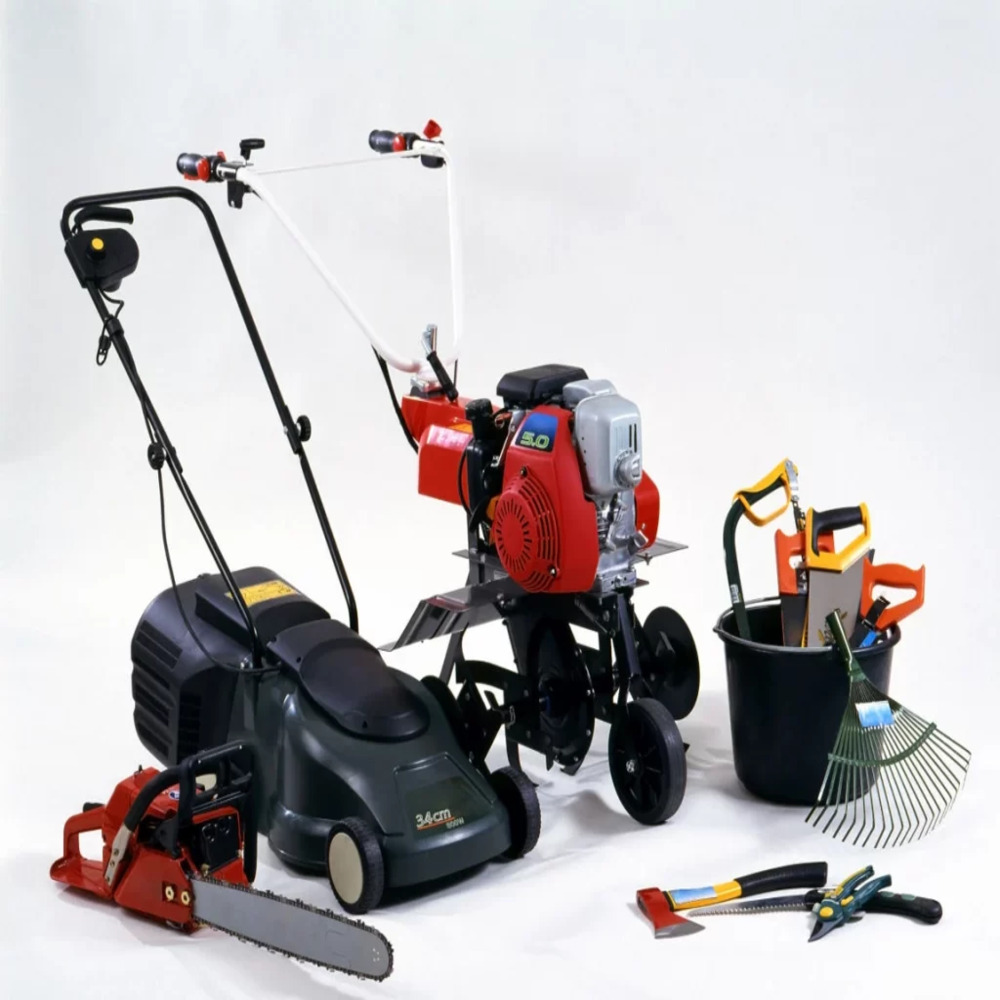
What Is an Equipment Buying Guide Kampala and Why It Matters
An equipment buying framework in Kampala is a structured procurement methodology used to evaluate industrial machinery based on performance, durability, cost efficiency, and environmental suitability. In Uganda’s growing industrial economy, purchasing decisions must account for operational realities rather than just market price.
Industrial buyers in construction, agriculture, logistics, and manufacturing often face challenges related to incorrect equipment selection. This leads to breakdowns, inefficiency, and increased operational costs. A structured evaluation approach ensures that machinery matches real-world workloads and environmental conditions.
Suppliers such as Jamali Tech provide equipment designed for these operational realities, ensuring reliability across diverse sectors.
Procurement Challenges in Kampala’s Industrial Market
Equipment procurement in Kampala is influenced by several structural challenges that affect decision-making quality.
Key challenges include:
- Limited technical knowledge among buyers
- Price-driven purchasing decisions
- Inconsistent product quality in informal markets
- Lack of standardized evaluation processes
Without structured evaluation, businesses often acquire machines that are either overpowered or underpowered for their intended use. This results in wasted capital and frequent maintenance cycles.
A structured approach ensures better alignment between operational demand and machine capability.
Environmental Conditions Affecting Equipment Performance in Uganda
Uganda’s climate introduces operational stress factors that must be considered during procurement.
1. Humidity and Corrosion Risk
High humidity levels in Kampala accelerate rust formation and degrade electrical components over time. Machines without proper sealing or coating often experience early failure.
2. Flood-Prone Urban Areas
During heavy rainfall seasons, low-lying industrial zones experience flooding. Equipment must therefore be installed with elevation and drainage considerations.
3. Dust and Construction Environments
Construction-heavy zones expose machinery to fine dust particles that clog filters and reduce engine efficiency.
To manage these challenges, operators rely on durable water pumps and rugged power tools designed for continuous operation under harsh conditions.
Core Industrial Equipment Categories in Uganda
Industrial procurement in Kampala is centered around four major categories of equipment that support economic activity.
Power Generation Systems
Power reliability is a major concern in Uganda. Backup systems include domestic generators for households and larger industrial systems for commercial use.
These systems ensure uninterrupted operations during grid failures.
Water Management Equipment
Water pumps are essential for irrigation, construction dewatering, and flood control. Proper selection depends on:
- Flow rate requirements
- Head pressure
- Fuel efficiency
Agricultural Machinery
Agriculture remains a key sector in Uganda. Common tools include:
These tools improve productivity and reduce manual labor dependency.
Industrial Power Tools
Construction and maintenance industries rely heavily on tools such as:
These tools are critical for precision work and structural fabrication.
Generator Sizing and Load Management
Correct generator sizing is essential for stable power output and fuel efficiency.
| Application Type | Recommended Size |
|---|---|
| Residential Use | 2–5 kVA |
| Retail Businesses | 5–20 kVA |
| Construction Sites | 20–100 kVA |
| Industrial Plants | 100–500+ kVA |
Incorrect sizing leads to:
- Overloading
- High fuel consumption
- Reduced lifespan
Load planning must account for both running and startup power requirements of connected equipment.
Technical Specification Evaluation for equipment buying guide Kampala
When selecting industrial machinery, technical parameters must be compared systematically.
| Specification | Range | Importance |
|---|---|---|
| Power Output | 2–500+ kVA | Determines capacity |
| Engine Type | Air/Liquid cooled | Affects durability |
| Fuel Consumption | 0.8–5 L/hr | Operational cost |
| Noise Level | 60–100 dB | Urban compliance |
Understanding these parameters is essential for long-term operational planning.
Total Cost of Ownership Analysis
Procurement decisions should consider lifecycle cost rather than purchase price alone.
Major cost drivers include:
- Fuel consumption efficiency
- Maintenance frequency
- Spare parts availability
- Expected machine lifespan
Machines with lower upfront cost often incur higher long-term operational expenses due to inefficiency or frequent repairs.
UNBS Compliance and Regulatory Standards for equipment buying guide Kampala
All industrial equipment in Uganda must comply with Uganda National Bureau of Standards (UNBS) regulations.
Compliance ensures:
- Electrical safety
- Environmental protection
- Noise regulation adherence
- Operational reliability
Non-compliant machinery risks legal penalties and operational shutdowns.
Agricultural and Construction Applications in Uganda
Agricultural productivity depends on mechanization and efficient tools.
Agriculture Use Cases:
- Soil preparation using rotary cultivators
- Crop spraying using power sprayers
Construction Use Cases:
- Portable drilling and cutting using cordless systems
- Surface finishing using sanding equipment
- Material mixing for structural projects
These tools improve efficiency and reduce manual labor dependency.
Supplier Selection Strategy for equipment buying guide Kampala
Choosing a reliable supplier is a critical part of procurement success.
Evaluation criteria include:
- Availability of spare parts
- Technical support capability
- Product certification
- Warranty and service coverage
- Transparency in pricing
Jamali Tech supports industrial procurement across Uganda through its contact page.
Operational Best Practices for Equipment Longevity
Proper usage significantly extends machinery lifespan.
Recommended practices:
- Regular servicing schedules
- Proper load management
- Use of certified fuel and lubricants
- Safe storage in dry environments
- Operator training
These practices reduce downtime and improve efficiency across industries.
Regional Industrial Growth and Demand Trends for equipment buying guide Kampala
Kampala’s industrial sector continues to expand due to:
- Infrastructure development
- Agricultural commercialization
- Manufacturing growth
- Construction boom
This growth increases demand for reliable machinery and structured procurement systems.
Conclusion of equipment buying guide Kampala
Industrial procurement in Uganda requires a structured, data-driven approach due to environmental, technical, and economic complexity. Businesses that follow a disciplined evaluation process achieve better performance, lower operating costs, and improved equipment lifespan.
A well-planned procurement strategy ensures machinery is aligned with operational needs, compliant with national standards, and optimized for long-term efficiency.
Need Reliable Power equipment buying guide Kampala?
Contact Jamali Tech for industrial generators, water pumps, and agricultural machinery.
- Email: info@jamalitech.com
- Phone: +256 742 264 753
- Office: Kampala, Uganda
- Hours: Mon – Fri: 8:00 AM – 6:00 PM
- Get a Free Quote: https://jamalitech.com/contact/
Regional Delivery Guarantee: Serving Kampala, Jinja, Mbale, Masaka, and cross-border logistics to Nairobi.