
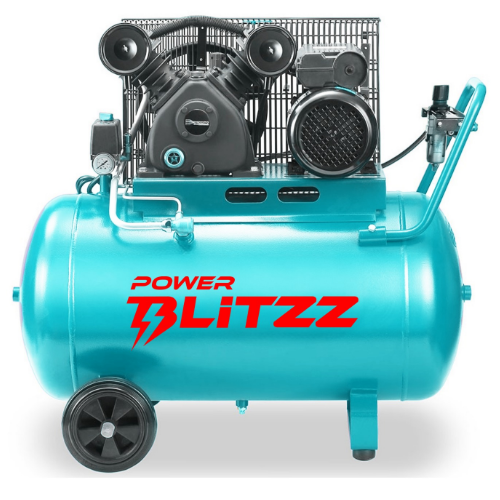
Why Investing in Heavy-Duty Power Tools Uganda Is Essential
The demand for heavy-duty power tools Uganda continues to rise due to rapid infrastructure development, industrial expansion, and increasing mechanization in construction and agriculture. These tools are engineered for high-load, continuous operation in environments where standard tools fail.
Uganda’s construction sector, particularly in Kampala, Wakiso, Mukono, and industrial zones, relies heavily on durable equipment that can withstand dust, humidity, and unstable electricity supply. Without industrial-grade tools, project timelines become inconsistent and operational costs increase significantly.
Companies such as Jamali Tech supply equipment designed specifically for these demanding East African conditions.
Industrial Growth Driving Demand for Heavy-Duty Power Tools Uganda
Uganda’s economy has experienced steady industrial expansion driven by infrastructure development, real estate construction, and manufacturing growth.
Key growth drivers include:
- Road and highway construction projects
- Industrial park development
- Urban housing expansion
- Agricultural mechanization
Each of these sectors depends on heavy-duty power tools Uganda to maintain productivity and efficiency.
As projects scale, the need for reliable tools becomes more critical, especially for contractors managing multiple sites simultaneously.
How Heavy-Duty Power Tools Uganda Improve Construction Efficiency
Construction efficiency is directly tied to equipment reliability. When tools fail on-site, project timelines are delayed, labor costs increase, and material waste rises.
Key productivity benefits:
- Faster drilling and cutting operations
- Reduced manual labor requirements
- Continuous operation under heavy load
- Improved precision in structural work
Contractors using heavy-duty power tools Uganda report significantly higher productivity compared to those relying on consumer-grade equipment.
Environmental Challenges Affecting Power Tools in Uganda
Uganda presents unique environmental conditions that influence equipment performance.
1. High Humidity and Corrosion Risk
Metal components are exposed to moisture, leading to rust and reduced lifespan if tools are not industrial-grade.
2. Dust-Heavy Construction Zones
Fine dust particles clog motors and reduce cooling efficiency, causing overheating.
3. Unstable Power Supply
Frequent power fluctuations affect electric tools, making durability a key requirement.
4. Outdoor Exposure
Tools used on construction sites must withstand heat, rain, and continuous vibration.
These challenges make heavy-duty power tools Uganda the preferred choice for professional contractors.
Common Types of Heavy-Duty Power Tools Uganda
Industrial and construction professionals use a wide range of tools depending on job requirements.
Common equipment includes:
- Electric drills for concrete and metal fastening
- Angle grinders for cutting and polishing
- Circular cutters for structural steel
- Sanders for surface finishing
- Construction mixers for material preparation
All these fall under the category of heavy-duty power tools Uganda, designed for continuous industrial use.
Technical Specifications of Industrial Power Tools
Understanding technical specifications is critical before procurement.
| Specification | Description | Importance |
|---|---|---|
| Motor Power | Determines torque output | Affects performance |
| Duty Cycle | Continuous or intermittent use | Defines workload capacity |
| Voltage Rating | 110V–240V systems | Compatibility |
| Heat Resistance | Cooling efficiency | Prevents overheating |
| Build Material | Industrial steel/aluminum | Durability |
Selecting tools without understanding these parameters often leads to premature failure.
Heavy-Duty Power Tools Uganda Performance Table
| Tool Type | Industrial Use | Key Advantage |
|---|---|---|
| Drills | Construction fastening | High torque efficiency |
| Grinders | Metal cutting/polishing | Continuous operation |
| Cutters | Steel fabrication | Precision output |
| Sanders | Surface finishing | Smooth finishing |
| Mixers | Construction materials | Consistency control |
Total Cost of Ownership vs Purchase Price
Many businesses in Uganda make the mistake of focusing only on initial purchase price. However, industrial procurement requires evaluating total cost of ownership.
Key cost factors:
- Fuel or electricity consumption
- Maintenance frequency
- Spare parts availability
- Downtime losses
- Equipment lifespan
Low-cost tools often result in higher long-term expenses due to frequent breakdowns.
Investing in heavy-duty power tools Uganda reduces replacement cycles and improves long-term ROI.
Safety Advantages of Heavy-Duty Power Tools Uganda
Safety is a critical factor in construction and industrial environments.
Built-in safety features include:
- Thermal overload protection
- Anti-kickback mechanisms
- Insulated handles
- Emergency shut-off systems
- Vibration reduction technology
These features significantly reduce workplace accidents and improve operator confidence.
Applications Across Construction and Industry
Heavy-duty tools are used across multiple sectors in Uganda.
Construction applications:
- Structural steel cutting
- Concrete drilling
- Masonry finishing
- Site preparation
Industrial applications:
- Metal fabrication
- Machine maintenance
- Assembly line support
Agricultural applications:
- Equipment repair
- Processing facility maintenance
- Irrigation system installation
These applications reinforce the importance of heavy-duty power tools Uganda in national development.
Supplier Reliability and Equipment Quality
Choosing the right supplier is as important as selecting the right tool.
Reliable suppliers provide:
- Certified industrial equipment
- Spare parts availability
- Warranty coverage
- Technical support
- After-sales service
Jamali Tech ensures access to durable industrial equipment through its power tools category and support services.
Maintenance Practices for Long Tool Life
Proper maintenance extends tool lifespan and reduces downtime.
Recommended practices:
- Clean tools after every use
- Avoid overload operations
- Store in dry environments
- Inspect cables and moving parts regularly
- Replace worn components immediately
Well-maintained heavy-duty power tools Uganda deliver consistent performance over long periods.
Economic Impact of Heavy-Duty Tools in Uganda
Industrial tools contribute significantly to Uganda’s economic development by:
- Increasing construction speed
- Supporting SME contractors
- Enhancing manufacturing capacity
- Improving infrastructure delivery
As industrialization continues, demand for reliable tools will continue to rise across East Africa.
Image Optimization (SEO REQUIREMENT)
Future Trends in Industrial Power Tools
The future of industrial tools in Uganda is shifting toward:
- Cordless high-capacity systems
- Energy-efficient motors
- Smart diagnostic tools
- Battery-powered industrial equipment
These innovations will further improve efficiency and reduce operational costs.
Conclusion
Investing in heavy-duty power tools Uganda is essential for achieving operational efficiency, safety, and long-term cost savings in construction and industrial sectors. As Uganda continues to expand its infrastructure and manufacturing base, durable tools become a strategic necessity rather than a luxury.
Businesses that adopt high-performance equipment gain a clear competitive advantage through improved productivity, reduced downtime, and better project outcomes.
Need Reliable Power Equipment?
Contact Jamali Tech for industrial generators, water pumps, and agricultural machinery.
- Email: info@jamalitech.com
- Phone: +256 742 264 753
- Office: Kampala, Uganda
- Hours: Mon – Fri: 8:00 AM – 6:00 PM
- Get a Free Quote: https://jamalitech.com/contact/
Regional Delivery Guarantee: Serving Kampala, Jinja, Mbale, Masaka, and cross-border logistics to Nairobi.