
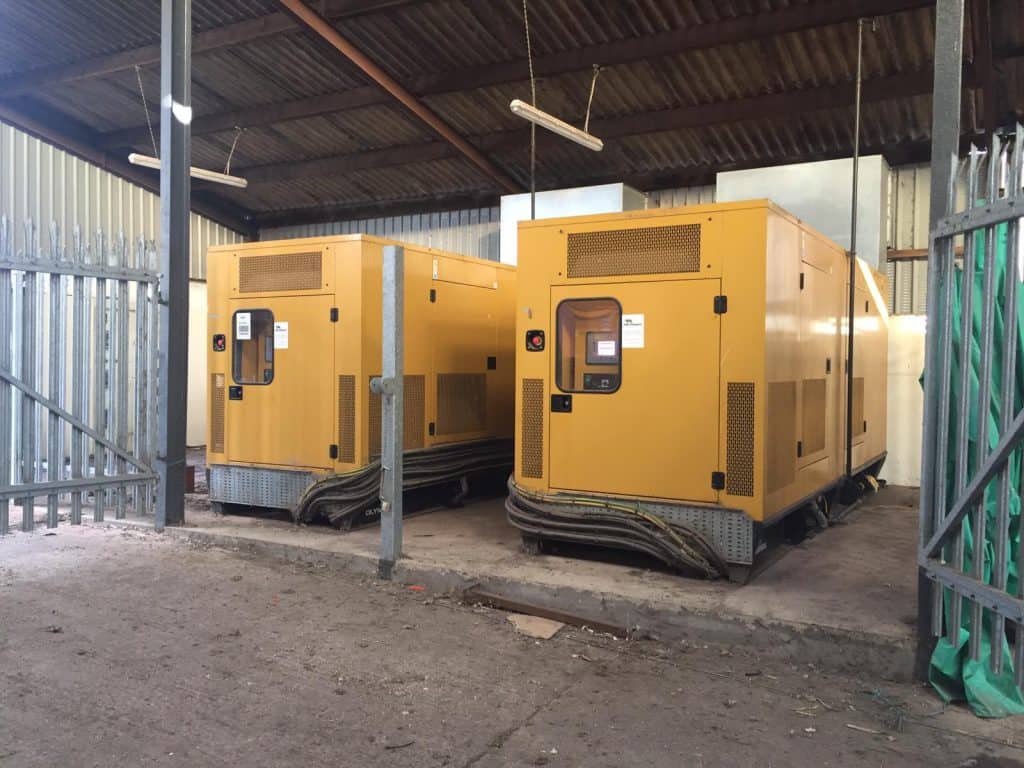
Reliable electricity remains a challenge across Uganda, and a growing number of homeowners and business operators in Kampala are investing in generator installation as the frontline defence against unpredictable power backup Uganda disruptions. Whether you run a busy restaurant along Kampala Road, a medical clinic in Ntinda, or a family residence in Muyenga, how you install your generator matters just as much as the unit you buy. A poorly installed generator wastes fuel, shortens engine life, and, in worst-case scenarios, exposes occupants to lethal carbon monoxide. This comprehensive guide walks you through every step of safe, efficient generator installation in Kampala and across Uganda so you can enjoy uninterrupted power for years to come.
Why Proper Generator Installation Matters in Uganda
A correctly installed generator delivers maximum fuel efficiency, minimises noise pollution, and eliminates the risk of carbon monoxide poisoning inside enclosed spaces. Skipping professional installation is the number-one cause of generator-related accidents reported in Kampala each year. Investing in proper setup from the start protects your family, employees, and expensive equipment.
Uganda’s tropical climate adds complexity. Temperatures in Kampala regularly exceed 28 degrees Celsius, and humidity levels hover around 80 percent during the rainy season. These conditions accelerate corrosion on poorly sheltered units and demand superior ventilation to keep engine temperatures within safe operating ranges. Furthermore, frequent Umeme load-shedding schedules mean your generator may cycle on and off several times a day, placing additional stress on the transfer switch and wiring if the installation is substandard.
Adhering to Kampala Capital City Authority (KCCA) building codes is not optional. Regulations specify minimum setback distances, exhaust routing, and fuel storage limits for residential and commercial properties. Ignoring these regulations can result in fines or, worse, structural damage from vibration or fire. Before purchasing your unit, review the generator buying guide for Kampala 2026 to ensure you choose the right capacity.
Step 1 — Select the Right Generator Size for Your Load
Under-sizing leads to overload and engine failure, while over-sizing wastes fuel and increases your capital outlay. Calculate your total wattage requirement before ordering. For most Kampala homes, a 5-10 kVA gasoline generator covers lighting, fans, a fridge, and a TV; businesses typically need 15-100 kVA diesel units.
Begin by listing every appliance and machine you want powered during an outage. Note both starting (surge) watts and running watts. Electric motors in refrigerators, air conditioners, and water pumps draw two to three times their rated power for a few seconds at start-up, so your generator must handle that peak. Add a 20-percent safety margin to avoid running the unit above 80 percent load continuously, which is the sweet spot for fuel economy and engine longevity.
Jamalitech stocks a full range of generators suited to every scenario, from compact gasoline generators for small apartments to heavy-duty diesel generators for factories in the Namanve Industrial Park. Speak with our technical team to get a personalised load calculation before committing.
Step 2 — Choose Your Installation Location
The three most common setups are outdoor on a concrete pad, indoor in a dedicated plant room, and semi-enclosed with a weather canopy. Each approach has trade-offs in ventilation, noise, security, and cost. Your choice should reflect the generator size, property layout, and local building restrictions.
Outdoor installation is the simplest and most affordable option for homes in Kampala suburbs like Kira and Najjeera. The generator sits on a level concrete pad at least 1.5 metres from any wall or window to ensure exhaust gases disperse safely. A lockable steel cage prevents theft, a persistent concern in some neighbourhoods. The downside is full exposure to rain and sun, which accelerates cosmetic wear, though a simple corrugated-iron canopy solves that.
Indoor or dedicated-room installations are common for commercial premises, hotels, and hospitals. A plant room must have louvred ventilation openings at low and high levels sized to the generator’s airflow rating. In Kampala’s tropical heat, an undersized opening means the room temperature can climb past 50 degrees Celsius, triggering automatic shutdown and potential engine damage. Acoustic insulation on the walls reduces noise to acceptable levels for neighbouring offices or patient wards.
Generator Installation Checklist: Indoor vs Outdoor vs Dedicated Room
Use this comparison table to decide which installation type suits your property. Each setup carries different requirements for ventilation, noise control, and cost. Choosing the wrong type can lead to safety hazards or unnecessary expense.
| Setup Type | Ventilation Required | Noise Mitigation | Fuel Storage | Transfer Switch | Estimated Install Cost (UGX) |
|---|---|---|---|---|---|
| Outdoor (Concrete Pad) | Natural — open air | Minimal (distance from building) | External tank, 1.5 m from unit | Manual or Automatic (ATS) | 800,000 — 2,000,000 |
| Indoor (Existing Room) | Louvred openings top and bottom; mechanical fan recommended | Acoustic panels on walls and ceiling | Day tank inside; bulk tank outside | Automatic (ATS) recommended | 2,500,000 — 5,000,000 |
| Dedicated Plant Room | Engineered ducting with intake and exhaust fans | Purpose-built acoustic enclosure | Integrated sub-base tank | Automatic (ATS) with bypass | 5,000,000 — 12,000,000 |
Step 3 — Install the Automatic Transfer Switch (ATS)
An ATS detects mains failure and starts your generator within seconds, then switches the load back when Umeme power returns. Without an ATS, someone must physically flip a changeover switch every time the grid drops, which is impractical for businesses that cannot afford even a minute of downtime. In Kampala, Umeme-approved changeover switches are a regulatory requirement for commercial premises above 15 kVA.
Manual changeover switches are cheaper and suitable for homes where occupants are present during outages. However, if you travel frequently or operate a server room, data centre, or medical facility, an ATS is non-negotiable. The ATS should be installed by a licensed electrician who can verify correct phase sequencing and earthing, both of which are critical for avoiding back-feed into the Umeme grid, a dangerous and illegal condition.
Make sure the ATS is compatible with your generator’s control panel. Most modern diesel generators from Jamalitech ship with ATS-ready control modules, simplifying the wiring process. Pair the switch with a surge protector to shield sensitive electronics from the brief voltage spike during switchover.
Step 4 — Fuel Storage and Safety
Improper fuel storage is one of the leading fire risks associated with generator installations in Kampala. Store diesel or petrol in approved containers at least 1.5 metres from the generator exhaust, away from direct sunlight, and in a ventilated area. Never refuel a running generator.
For large commercial installations, a sub-base fuel tank welded beneath the generator frame is the safest and most space-efficient solution. These tanks typically hold 100 to 500 litres and include a fuel-level gauge, drain valve, and overfill prevention device. For smaller home setups, a 20-litre jerry can stored in a locked metal cabinet away from the generator is sufficient for an overnight run.
Uganda’s climate means fuel quality degrades faster than in cooler regions. Diesel stored beyond three months can develop microbial growth that clogs filters and injectors. Add a biocide stabiliser if you maintain a large reserve, and rotate stock regularly. For comprehensive care routines, consult our generator maintenance tips for long-lasting performance.
Step 5 — Exhaust Routing and Carbon Monoxide Prevention
Carbon monoxide (CO) is an odourless, colourless gas produced by every internal-combustion generator. In enclosed or semi-enclosed spaces, CO concentrations can reach fatal levels within minutes. Every indoor installation must route the exhaust pipe directly outside through a fireproof thimble, with no leaks along the run.
In Kampala, many commercial buildings install generators in basement car parks or ground-floor storage rooms. These locations demand engineered exhaust ducting with insulated pipes to prevent heat transfer to walls, a rain cap at the exit point, and a condensation drain. The exhaust run should be as short and straight as possible; every elbow adds back-pressure that reduces engine efficiency and increases fuel consumption.
Install at least one battery-operated CO detector inside any room adjacent to the generator space. These devices cost under UGX 100,000 and can save lives. Test the detector monthly and replace batteries every six months. For homes, never run a portable generator inside a garage, veranda, or any space with restricted airflow, even if doors are open.
Step 6 — Earthing and Electrical Safety
A proper earth rod driven at least 1.8 metres into the ground protects people from electric shock and equipment from voltage spikes. Earthing is mandatory under Uganda’s electrical installation standards and must be verified with a resistance test before commissioning. Poor earthing is a silent killer that many installers overlook.
The earth resistance should measure below 5 ohms. In Kampala’s laterite soils, achieving this may require multiple rods bonded together or the use of earth-enhancement compounds. Connect the generator frame, ATS enclosure, and main distribution board to a common earth bus. A qualified electrician will issue a completion certificate confirming compliance, which you may need for insurance claims.
Beyond earthing, use appropriately rated cables for the distance between the generator and the distribution board. Voltage drop over long cable runs causes motors to overheat and lights to dim. Copper cables are preferred over aluminium for their lower resistance per metre, though they cost more. Consult a professional to size cables correctly based on your load and distance. Visit the power tools section for ancillary equipment you may need during installation.
Step 7 — Noise Reduction Strategies
Generator noise is a major concern in residential areas of Kampala, where houses are often closely spaced. A standard open-frame generator produces 75-85 decibels at one metre, equivalent to standing next to a busy road. Canopy (silent-type) generators, acoustic enclosures, and strategic placement can cut perceived noise by more than half.
If you have already purchased an open-frame unit, aftermarket acoustic enclosures are available. These steel-and-foam boxes reduce noise by 15-25 decibels, bringing output down to a conversational level. Alternatively, build a block-wall enclosure lined with rockwool insulation, ensuring ventilation openings face away from neighbours. Vibration-damping mounts between the generator and its base prevent low-frequency rumble from travelling through the building structure.
For businesses in mixed-use buildings, silent-type diesel generators are the best choice. They ship with factory-fitted acoustic canopies rated at 65-72 decibels at seven metres, quiet enough to operate at night without complaints. Browse Jamalitech’s generator catalogue to find canopy models suited to your power requirement.
Post-Installation Testing and Commissioning
Never consider the job complete until you have run a full-load test for at least two hours. This test verifies fuel consumption, engine temperature, voltage stability, and ATS switching time. Document the commissioning results as a baseline for future maintenance comparisons.
During the test, monitor oil pressure, coolant temperature (for liquid-cooled diesels), and exhaust colour. Blue or white smoke indicates oil burning or incomplete combustion, both of which need immediate attention. Black smoke under load is normal for the first few minutes but should clear as the engine warms up. Record the fuel consumption rate and compare it with the manufacturer’s specification; a significant deviation suggests an air-filter blockage or injector issue.
Schedule a follow-up inspection after the first 50 hours of operation. This early service includes an oil and filter change, belt tension check, and battery terminal cleaning. Following the manufacturer’s maintenance schedule religiously is the single most effective way to extend your generator’s service life. For ongoing care advice, bookmark our maintenance tips page.
Common Generator Installation Mistakes to Avoid
Even experienced technicians sometimes cut corners that compromise safety and performance. The three most frequent mistakes in Kampala installations are inadequate ventilation, undersized cabling, and skipping the earth-resistance test. Awareness of these pitfalls saves money and prevents accidents.
Another common error is placing the generator on bare soil or an uneven surface. Vibration causes the unit to shift over time, straining fuel lines and exhaust connections. Always pour a reinforced concrete pad at least 100 mm thick and bolt the generator frame to embedded anchors. In flood-prone areas of Kampala such as Bwaise, raise the pad above the expected water line to prevent submersion during heavy rains.
Finally, do not forget about access. Leave at least 1 metre of clearance on all sides for maintenance tasks like oil changes, filter replacement, and belt inspection. A cramped installation discourages routine servicing, which leads to premature failure. Plan your layout with the long term in mind, and consult Jamalitech’s technical team for on-site assessment if you are unsure.
Contact Jamalitech for Reliable Power Equipment
Office Address: Kampala, Uganda
Phone / WhatsApp: +256 742 264 753
Email: info@jamalitech.com
Website: https://jamalitech.com/
Business Hours:
Mon – Fri: 8:00 AM – 6:00 PM
Sat: 9:00 AM – 4:00 PM
Our Guarantees
- Competitive Pricing: Get the best quotes on generators, water pumps, and machinery.
- Countrywide Delivery: Fast dispatch within Kampala and secure shipping to upcountry regions including Jinja, Mbarara, Gulu, and Mbale.
- Reliability: Genuine equipment built to withstand tough working conditions.