19 April 2026 Agric machine
Why Uganda's Agricultural Sector Needs Modern Machinery Now
Agriculture contributes approximately 24% of Uganda's GDP and employs over 70% of the population, yet mechanization levels remain critically low at under 20%. Investing in farm machinery is no longer optional for farmers who want to remain competitive in East African and global markets. The gap between manual farming and mechanized agriculture is widening every season, making now the ideal time to invest. Uganda sits at a crossroads. The country's fertile soils, favorable climate, and growing export markets for coffee, tea, maize, and other cash crops present enormous opportunities. However, without modern agricultural machinery, farmers cannot fully capitalize on these advantages. Labor shortages caused by urban migration are compounding the problem, with young Ugandans increasingly leaving rural areas for cities like Kampala, Jinja, and Mbarara. The Ugandan government has recognized this challenge and is actively promoting agricultural mechanization through subsidies and financing programs. For forward-thinking farmers, agribusiness owners, and investors, the message is clear: the time to invest in farm machinery in Uganda is now.Boosting Productivity and Reducing Labor Dependence
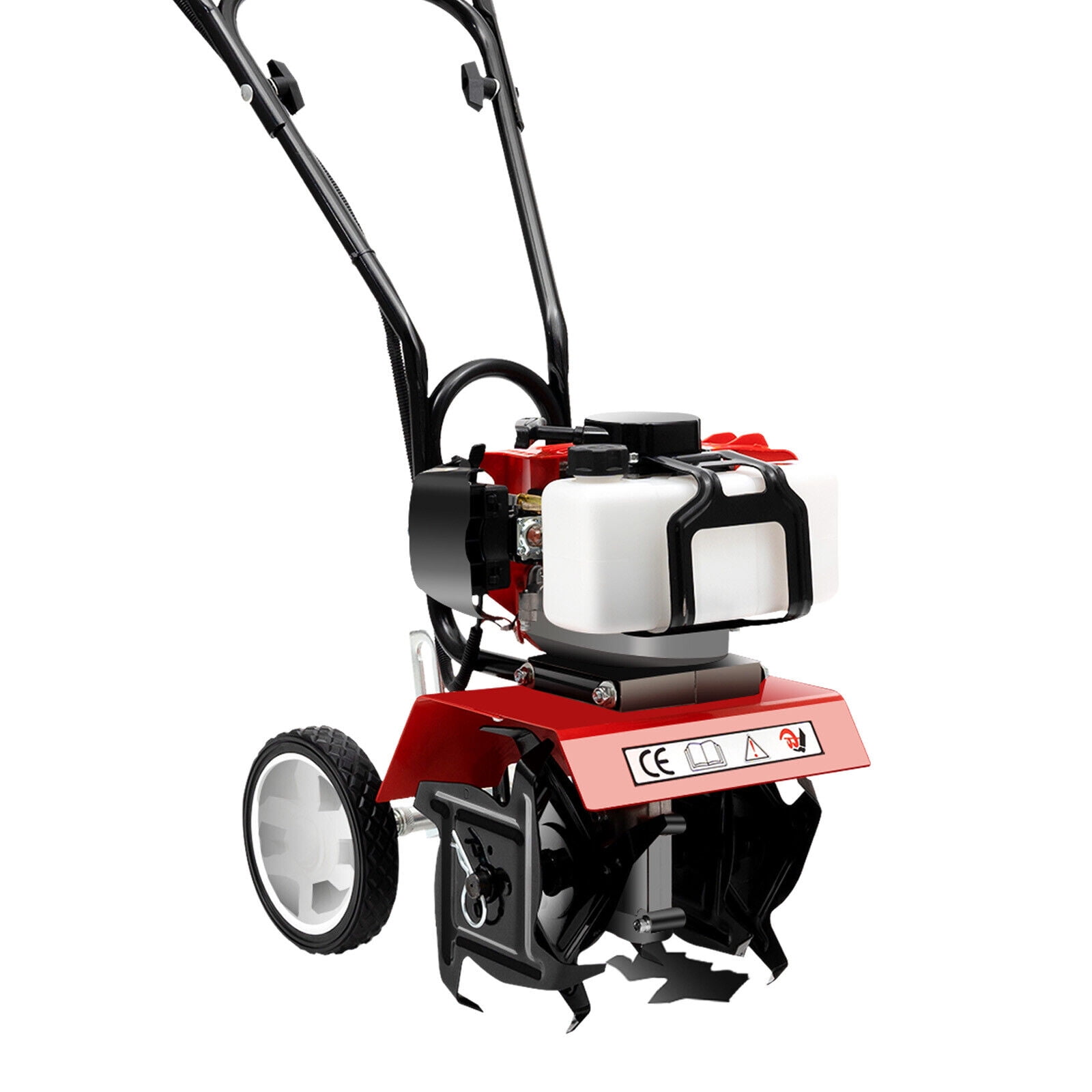
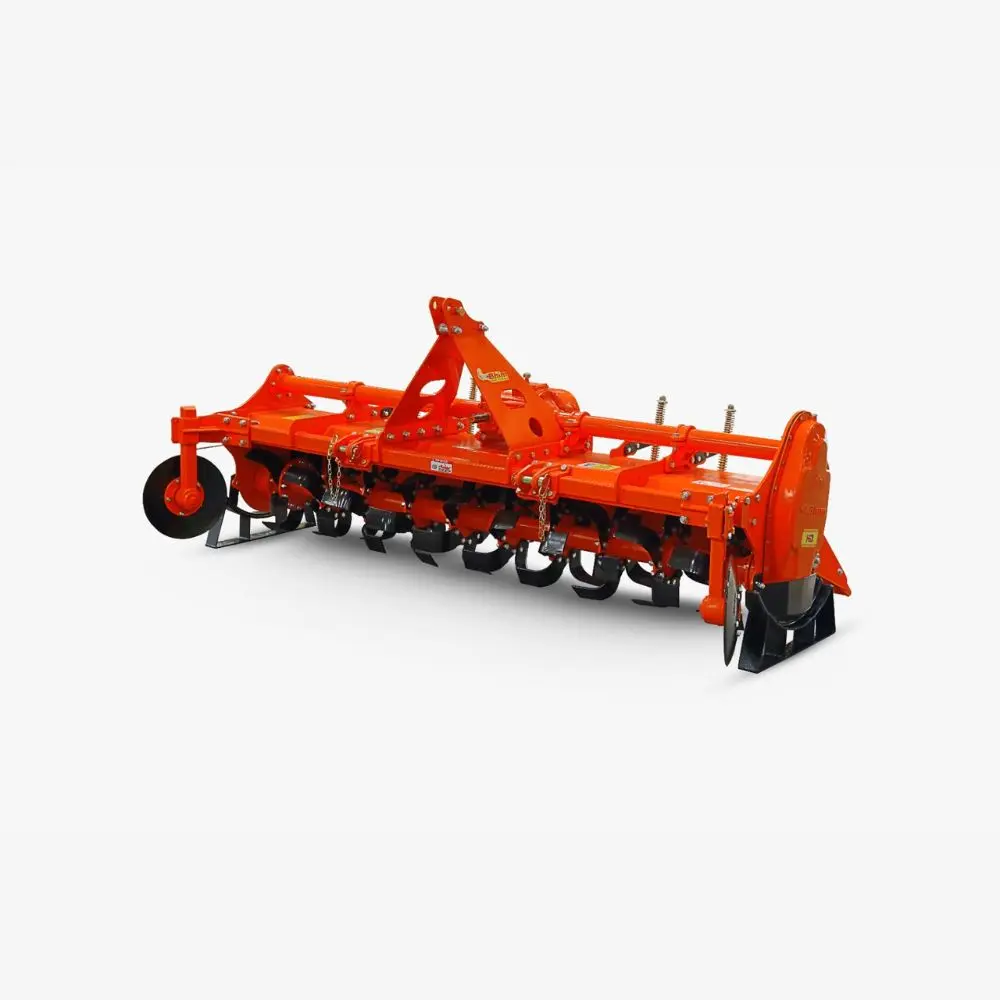
Modern agricultural machinery can increase farm productivity by 300-500% compared to manual labor methods. A single rotary cultivator can prepare land that would take a team of ten laborers several days to complete. This dramatic productivity gain directly translates to higher yields and greater profitability per acre. One of the most compelling reasons to invest in agricultural machinery is the immediate boost in productivity. Manual farming methods, while deeply rooted in Ugandan tradition, simply cannot keep pace with the demands of modern agriculture. Consider land preparation: a farmer using hand hoes might prepare one acre per day, while a rotary cultivator can cover five to ten acres in the same timeframe.The Labor Shortage Crisis
Uganda's agricultural sector faces a growing labor shortage driven by urban migration. The Uganda Bureau of Statistics reports that the urban population is growing at nearly 5.4% annually, draining rural areas of their workforce. During peak planting and harvesting seasons, farmers often struggle to find enough workers, leading to delayed operations and reduced yields. Farm machinery eliminates this dependence on seasonal labor. Equipment like brush cutters for land clearing, knapsack sprayers for crop protection, and chainsaws for timber management allow a single farmer to accomplish what previously required an entire team.Seasonal Farming Windows
Uganda's two main growing seasons, March to June and September to December, create tight operational windows. Delays in planting or harvesting can result in significant crop losses. Mechanized farming allows farmers to work faster and more efficiently within these windows, maximizing the potential of each growing season. When rains arrive, every day counts, and machinery ensures that no time is wasted.Significant Cost Savings and Strong Return on Investment
While the upfront cost of agricultural machinery may seem substantial, the long-term savings are remarkable. Most farm equipment pays for itself within two to four growing seasons through reduced labor costs alone. Over a typical equipment lifespan of 5-10 years, farmers can save tens of millions of Ugandan shillings. The economics of farm machinery investment are compelling when examined over time. Labor costs in Uganda have been rising steadily, with daily wages for agricultural workers increasing by 15-25% over the past five years. Meanwhile, the cost of machinery has remained relatively stable, and financing options have expanded significantly.ROI Comparison: Machinery vs. Manual Labor
| Equipment Type | Average Cost (UGX) | Manual Labor Cost Per Season (UGX) | Seasons to Break Even | Lifespan (Years) | Total Savings Over Lifespan (UGX) |
|---|---|---|---|---|---|
| Rotary Cultivator | 4,500,000 | 1,800,000 | 3 | 8 | 24,300,000 |
| Knapsack Sprayer | 350,000 | 200,000 | 2 | 5 | 1,650,000 |
| Brush Cutter | 1,200,000 | 600,000 | 2 | 6 | 6,000,000 |
| Chainsaw | 2,800,000 | 1,200,000 | 3 | 7 | 14,000,000 |
| Water Pump (Irrigation) | 3,200,000 | 1,500,000 | 3 | 8 | 20,800,000 |
| Generator (Farm Power) | 5,000,000 | 2,000,000 | 3 | 10 | 35,000,000 |
Government Support and Mechanization Subsidies
The Ugandan government is actively promoting agricultural mechanization through various subsidy programs and financing initiatives. These programs can reduce the effective cost of machinery by 30-50%, making investment more accessible than ever. Farmers who take advantage of these programs now will gain a significant competitive edge. Uganda's National Development Plan III has identified agricultural mechanization as a priority area for economic transformation. The government, through the Ministry of Agriculture, Animal Industry and Fisheries (MAAIF), has implemented several programs to encourage farmers to adopt modern equipment.Available Support Programs
The Agricultural Credit Facility (ACF), managed by the Bank of Uganda, provides subsidized loans specifically for purchasing agricultural machinery. Interest rates under this facility are significantly lower than commercial rates, making equipment acquisition financially viable for small and medium-scale farmers. Additionally, various district-level programs offer matching grants for farmer groups that invest in shared mechanization equipment. The government's Operation Wealth Creation initiative has also distributed agricultural equipment to farmers across the country, demonstrating the national commitment to mechanization. For those looking to understand how mechanization is reshaping Ugandan farming, this detailed guide on agricultural mechanization transforming farming in Uganda provides valuable context.Capturing Export Market Opportunities
Uganda's agricultural exports, including coffee, tea, maize, beans, and flowers, are growing rapidly, driven by demand within the East African Community and global markets. Mechanized farms produce higher-quality products that meet international standards. Without modern equipment, Ugandan farmers risk being shut out of these lucrative opportunities. Coffee remains Uganda's top agricultural export, generating over USD 800 million annually. Tea, maize, sesame, and vanilla are also significant contributors to export revenue. The East African Community (EAC) trade agreements have further opened regional markets, creating opportunities for Ugandan farmers who can produce at scale and maintain quality standards.Quality Standards and Market Access
International buyers increasingly demand consistency in product quality, something that mechanized farming delivers far more reliably than manual methods. Mechanized harvesting and post-harvest processing reduce crop damage, minimize contamination, and ensure uniform product quality. These factors are critical for accessing premium markets in Europe, Asia, and the Middle East. Irrigation equipment, such as reliable water pumps, enables farmers to extend their growing seasons and produce crops year-round, meeting export demand even during dry periods. Similarly, generators provide the reliable power needed for post-harvest processing facilities, cold storage, and other value-addition activities that command higher prices in export markets.Improving Crop Quality and Reducing Post-Harvest Losses
Post-harvest losses in Uganda are estimated at 30-40% for cereals and up to 50% for perishable crops. Modern machinery dramatically reduces these losses through efficient harvesting, proper handling, and timely processing. Cutting post-harvest losses by even half can effectively double a farmer's usable output. The scale of post-harvest losses in Uganda represents one of the greatest untapped opportunities for productivity gains. These losses occur at every stage: during harvesting due to inefficient manual methods, during transport due to poor handling, and during storage due to inadequate processing and preservation.Mechanized Solutions for Every Stage
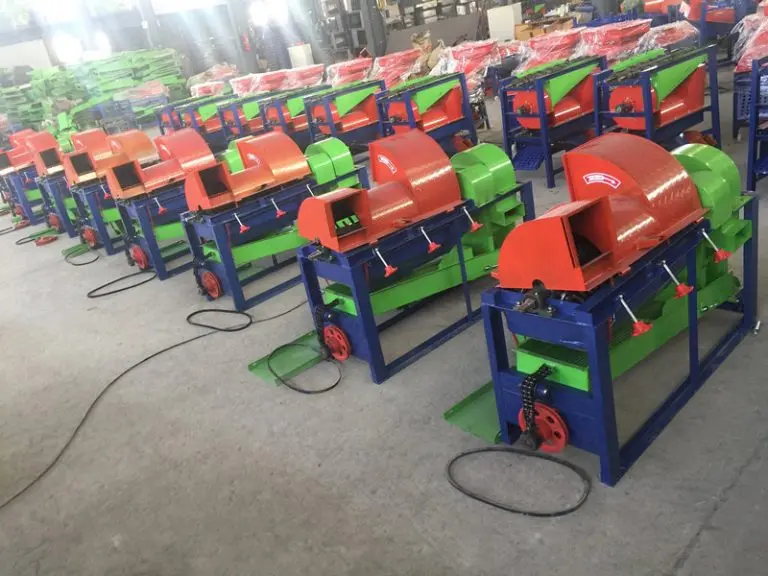
Modern harvesting equipment ensures crops are gathered at optimal maturity with minimal damage. Mechanical threshers and shellers process grains faster and more cleanly than manual methods, reducing contamination and improving storage life. Powered sprayers like the knapsack sprayer protect standing crops from pest damage that would otherwise lead to significant losses before harvest. For farmers exploring the full range of machinery options available, this comprehensive overview of the best agricultural machinery in Kampala for modern farming offers practical guidance on selecting the right equipment for specific needs.Scaling Farm Operations for Commercial Success
Agricultural machinery enables farmers to transition from subsistence farming to commercial agriculture. Mechanization allows a single farmer to manage 10-20 times more land than is possible with manual labor. This scaling capability is essential for building profitable, sustainable farming enterprises. The difference between subsistence and commercial farming often comes down to scale. A farmer working one to two acres manually may produce enough for household consumption with a small surplus for local markets. The same farmer equipped with modern machinery can manage 15-30 acres, transforming a survival activity into a thriving business.From Smallholder to Agribusiness
Uganda's agricultural future lies in the transformation of smallholder farms into productive commercial operations. This transition requires mechanization at every stage of the farming cycle. Land preparation with rotary cultivators, crop maintenance with brush cutters and sprayers, and post-harvest processing with powered equipment all contribute to the efficiency gains that make commercial farming viable. For entrepreneurs looking to enter agribusiness, investing in farm machinery provides a clear pathway to profitability. The initial capital investment is offset by dramatically lower per-unit production costs, higher yields, and access to premium markets that value consistency and quality.Climate Resilience and Sustainable Farming
Climate change is making Uganda's weather patterns increasingly unpredictable, with more frequent droughts and floods threatening agricultural output. Modern machinery, particularly irrigation equipment and precision farming tools, helps farmers adapt to these challenges. Building climate resilience through mechanization is essential for long-term agricultural viability. Uganda's farmers are already experiencing the effects of climate change. Rainfall patterns are shifting, dry spells are becoming longer, and extreme weather events are more frequent. These changes make traditional rain-fed farming increasingly risky and underscore the importance of mechanized solutions.Water Management and Irrigation
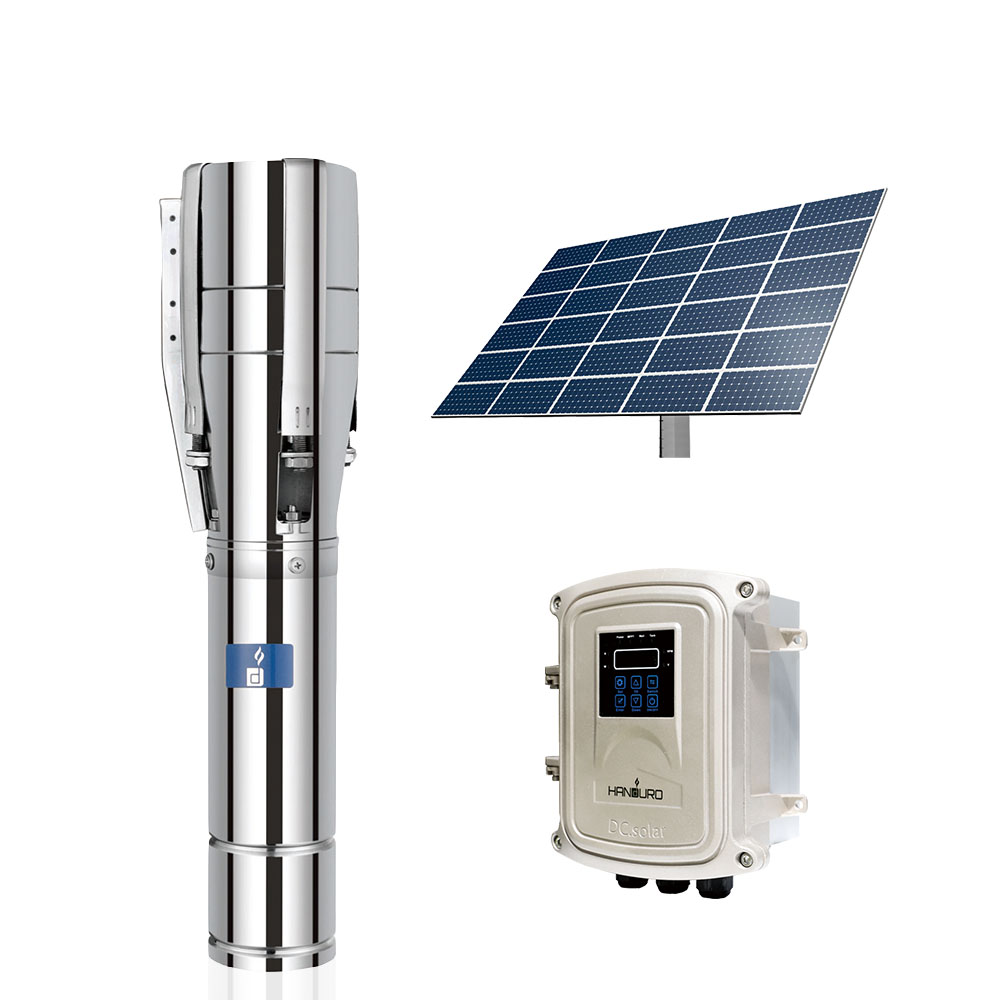
Reliable water pumps are among the most impactful investments a farmer can make. Irrigation systems powered by quality pumps allow farmers to maintain crop production regardless of rainfall patterns. During Uganda's dry seasons, irrigated farms continue producing while rain-dependent farms lie fallow, creating a significant competitive advantage.Energy Independence on the Farm
Rural electrification in Uganda, while improving, still leaves many farming areas without reliable power. Generators provide the energy independence that modern farming operations require. From powering irrigation pumps to running processing equipment and lighting farm facilities, reliable power generation is fundamental to productive agriculture.The East African Community Trade Advantage
Uganda's membership in the East African Community creates a regional market of over 300 million consumers. Mechanized Ugandan farms can compete effectively in this market, supplying food products to Kenya, Tanzania, Rwanda, and beyond. The EAC's common market protocol eliminates many trade barriers, making cross-border agricultural trade increasingly attractive. The EAC represents a massive opportunity for Ugandan agriculture. Kenya, the region's largest economy, imports significant quantities of food products that Uganda is well-positioned to supply. Tanzania, Rwanda, Burundi, South Sudan, and the Democratic Republic of Congo also represent growing markets for Ugandan agricultural products. However, competing in regional markets requires the ability to produce at scale, maintain quality standards, and deliver consistently. All of these capabilities depend on mechanization. Farmers who invest in modern equipment now will be best positioned to capture the growing demand across East Africa.Choosing the Right Equipment Partner
The success of any machinery investment depends heavily on the quality of equipment and the reliability of the supplier. Working with an established, trusted supplier ensures access to genuine equipment, technical support, spare parts, and expert advice. Choosing the wrong supplier can turn a promising investment into a costly mistake. Jamalitech has established itself as Uganda's trusted source for agricultural machinery, generators, water pumps, and power equipment. Based in Kampala, Jamalitech offers a comprehensive range of farm equipment designed to meet the specific needs of Ugandan agriculture.What to Look for in an Equipment Supplier
When selecting an equipment supplier, farmers should consider several critical factors. First, the supplier should offer genuine, quality equipment from recognized manufacturers. Second, after-sales support, including spare parts availability and technical assistance, is essential for maintaining equipment performance. Third, the supplier should have deep knowledge of local farming conditions and be able to recommend the right equipment for specific applications. Jamalitech meets all these criteria, offering competitive pricing, countrywide delivery across Uganda, and expert guidance on equipment selection. Whether you need a rotary cultivator for land preparation, a knapsack sprayer for crop protection, or a generator for reliable farm power, Jamalitech provides the equipment and support you need.Taking the First Step Toward Mechanized Farming
The evidence is overwhelming: investing in agricultural machinery in Uganda is one of the smartest decisions a farmer or agribusiness investor can make in 2026. From boosting productivity and reducing costs to capturing export opportunities and building climate resilience, the benefits of mechanization touch every aspect of farming success. The question is not whether to invest, but how quickly you can get started. Begin by assessing your current farming operations and identifying the areas where machinery would have the greatest impact. For most farmers, land preparation equipment and crop protection tools offer the quickest returns. As your operation grows, expand into irrigation, power generation, and post-harvest processing equipment. Contact Jamalitech today to discuss your specific needs and explore the full range of agricultural machinery available. Their experienced team can help you develop a mechanization plan that fits your budget and maximizes your return on investment.Contact Jamalitech for Reliable Power Equipment
Office Address: Kampala, Uganda Phone / WhatsApp: +256 742 264 753 Email: info@jamalitech.com Website: / Business Hours: Mon - Fri: 8:00 AM - 6:00 PM Sat: 9:00 AM - 4:00 PMOur Guarantees
- Competitive Pricing: Get the best quotes on generators, water pumps, and machinery.
- Countrywide Delivery: Fast dispatch within Kampala and secure shipping to upcountry regions including Jinja, Mbarara, Gulu, and Mbale.
- Reliability: Genuine equipment built to withstand tough working conditions.
Ready to spec your equipment?
Tell us your job and we’ll come back with a sized quote, delivery window and warranty terms.