19 April 2026 Water pumps
Why Irrigation Matters for Small Farms in Kampala
Irrigation is the single most impactful investment a smallholder farmer in Kampala can make to boost yields and secure year-round income. With Uganda's unpredictable dry spells between the two rainy seasons (March–May and September–November), relying solely on rainfall leaves crops vulnerable to drought stress and total loss. Modern irrigation solutions now make it affordable for farms of 1–10 acres in Wakiso, Mukono, and Mpigi districts to produce vegetables, coffee, and fruits consistently throughout the year. Uganda's agricultural sector employs over 70% of the population, yet most smallholder farmers still depend on rain-fed agriculture. The Lake Victoria basin provides abundant water resources, but without proper irrigation infrastructure, this water remains untapped during the critical dry months of January–February and June–August. Government irrigation programs under the National Irrigation Policy have started addressing this gap, but individual farmers must also take initiative to modernise their water delivery systems. At Jamalitech, we supply the water pumps, generators, and agricultural machinery that make small-scale irrigation practical and cost-effective across Uganda.Understanding Uganda's Water Challenges for Farming
Small farms around Kampala face a paradox: abundant water sources exist nearby, yet most fields go dry for 3–4 months each year. The problem is not water scarcity but water delivery — getting water from rivers, boreholes, or Lake Victoria tributaries onto your crops at the right time and in the right quantity. Understanding these challenges is the first step toward choosing the right irrigation system for your farm.Seasonal Rainfall Patterns
Uganda experiences two main rainy seasons. The first runs from March to May, delivering the heaviest downpours that replenish soil moisture and fill reservoirs. The second season, September to November, brings lighter but still significant rainfall. Between these seasons, farmers face dry periods where temperatures rise, evaporation increases, and crops wilt without supplemental watering. For high-value crops like tomatoes, cabbages, and green peppers grown in peri-urban Kampala, even a two-week dry spell during the flowering stage can reduce yields by 40–60%.Water Sources Available to Kampala-Area Farmers
Farmers in the greater Kampala metropolitan area and surrounding districts have access to several water sources. Boreholes remain the most common, providing reliable groundwater at depths of 20–60 metres. Shallow wells serve farms near wetlands and river valleys. Surface water from streams, rivers, and the Lake Victoria shoreline is available to farms in Mukono and parts of Wakiso. Rainwater harvesting tanks supplement these sources during the wet season, storing water for later use. Each source requires a different pumping solution, and choosing the correct water pump is essential for efficient irrigation.Types of Irrigation Systems for Small Farms
There are five primary irrigation methods suitable for small farms in and around Kampala, each with distinct advantages in terms of water efficiency, cost, and crop suitability. Drip irrigation leads in water efficiency at 90–95%, while surface irrigation remains the cheapest to set up but wastes the most water. Your choice should depend on your water source, farm size, crop type, and budget.Drip Irrigation
Drip irrigation delivers water directly to plant roots through a network of tubes, pipes, and emitters. This method uses 30–50% less water than sprinkler systems and virtually eliminates water waste through evaporation or runoff. For vegetable farms in Wakiso and Mukono growing tomatoes, peppers, and eggplants, drip irrigation is the gold standard. Setup costs range from UGX 1,500,000 to UGX 4,000,000 per acre depending on the system quality and automation level. A reliable gasoline water pump or diesel water pump paired with a filtration unit ensures consistent water pressure throughout the drip lines.Sprinkler Irrigation
Sprinkler systems distribute water through pressurised nozzles that spray water over the crop canopy, simulating rainfall. They are well-suited for larger plots of 2–10 acres growing maize, beans, or grass for livestock. Portable sprinkler kits are popular among Kampala-area farmers because they can be moved between fields. Operating pressure requirements mean you need a pump capable of delivering 2–4 bar pressure consistently. Jamalitech stocks irrigation water pumps specifically rated for sprinkler system pressure demands.Furrow (Surface) Irrigation
Furrow irrigation is the oldest and simplest method, using gravity to channel water through shallow trenches between crop rows. While cheap to set up (often under UGX 500,000 per acre), it wastes 40–60% of water through deep percolation and surface runoff. It works best on gently sloping land for crops like sugarcane, sweet potatoes, and bananas. Farmers near river valleys in Mpigi district commonly use this method because of the natural slope and proximity to water sources.Bucket and Watering Can Irrigation
Manual irrigation using buckets and watering cans remains widespread on farms under half an acre. While it requires zero infrastructure investment, it is extremely labour-intensive and limits the area a single farmer can irrigate to roughly 0.1–0.2 acres per day. Many farmers use this as a stopgap before investing in a pump-based system. Upgrading to even a small motorised pump can increase irrigated area by 10–20 times while reducing daily labour hours.Hose Pipe Irrigation
Hose pipe irrigation connects a water pump directly to a flexible hose, allowing the farmer to direct water manually across the field. This method offers a middle ground between manual watering and fully automated systems. It is popular for kitchen gardens and small commercial plots growing vegetables for Kampala's urban markets. A 2-inch gasoline water pump can supply enough flow for effective hose irrigation on farms up to 2 acres.Irrigation Methods Comparison Table
The table below provides a side-by-side comparison of the most common irrigation methods available to small farms in the Kampala region. Use this to match your farm size, crop type, and budget to the most efficient system. Efficiency ratings reflect how much of the pumped water actually reaches plant roots.| Irrigation Type | Water Source | Pump Required | Coverage Area | Setup Cost (UGX) | Best Crops | Efficiency Rating |
|---|---|---|---|---|---|---|
| Drip Irrigation | Borehole, Tank, River | Yes (1–3 HP) | 0.5–5 acres | 1,500,000–4,000,000/acre | Tomatoes, Peppers, Strawberries, Coffee | 90–95% |
| Sprinkler Irrigation | Borehole, River, Lake | Yes (3–7 HP) | 2–10 acres | 2,000,000–6,000,000/acre | Maize, Beans, Grass, Flowers | 70–80% |
| Furrow (Surface) | River, Canal, Dam | Optional | 1–20 acres | 300,000–500,000/acre | Sugarcane, Bananas, Sweet Potatoes | 40–55% |
| Bucket/Watering Can | Well, Tank, Tap | No | 0.1–0.5 acres | 50,000–150,000 | Leafy Greens, Herbs, Nursery Plants | 80–85% |
| Hose Pipe | Borehole, Tank, River | Yes (1–2 HP) | 0.5–2 acres | 400,000–1,200,000 | Vegetables, Fruits, Mixed Gardens | 60–70% |
Choosing the Right Water Pump for Irrigation
The water pump is the heart of any motorised irrigation system, and selecting the wrong pump is the most common and costly mistake farmers make. You need to match pump capacity to your water source depth, required flow rate, and the horizontal distance water must travel to reach your fields. Jamalitech offers both gasoline and diesel water pumps specifically suited to Ugandan farming conditions.Gasoline Water Pumps
Gasoline water pumps are the most popular choice for small farms of 1–3 acres. They are lightweight, portable, easy to start, and relatively affordable with prices starting from UGX 350,000 for a 2-inch model. A standard 5.5 HP gasoline pump can deliver 600–900 litres per minute, sufficient for drip or hose irrigation on most smallholdings. Fuel consumption averages 1–1.5 litres per hour, making operating costs manageable for daily irrigation sessions of 2–3 hours.Diesel Water Pumps
For farms larger than 3 acres or where extended daily pumping is required, diesel water pumps offer superior fuel efficiency and durability. Diesel engines consume 30–40% less fuel than equivalent gasoline models and are built for thousands of hours of continuous operation. A 3-inch diesel pump can supply enough water for sprinkler irrigation across 5–8 acres. While the initial purchase price is higher (starting from UGX 1,200,000), the lower running costs make diesel pumps more economical over a 3–5 year period.Pump Sizing Guide
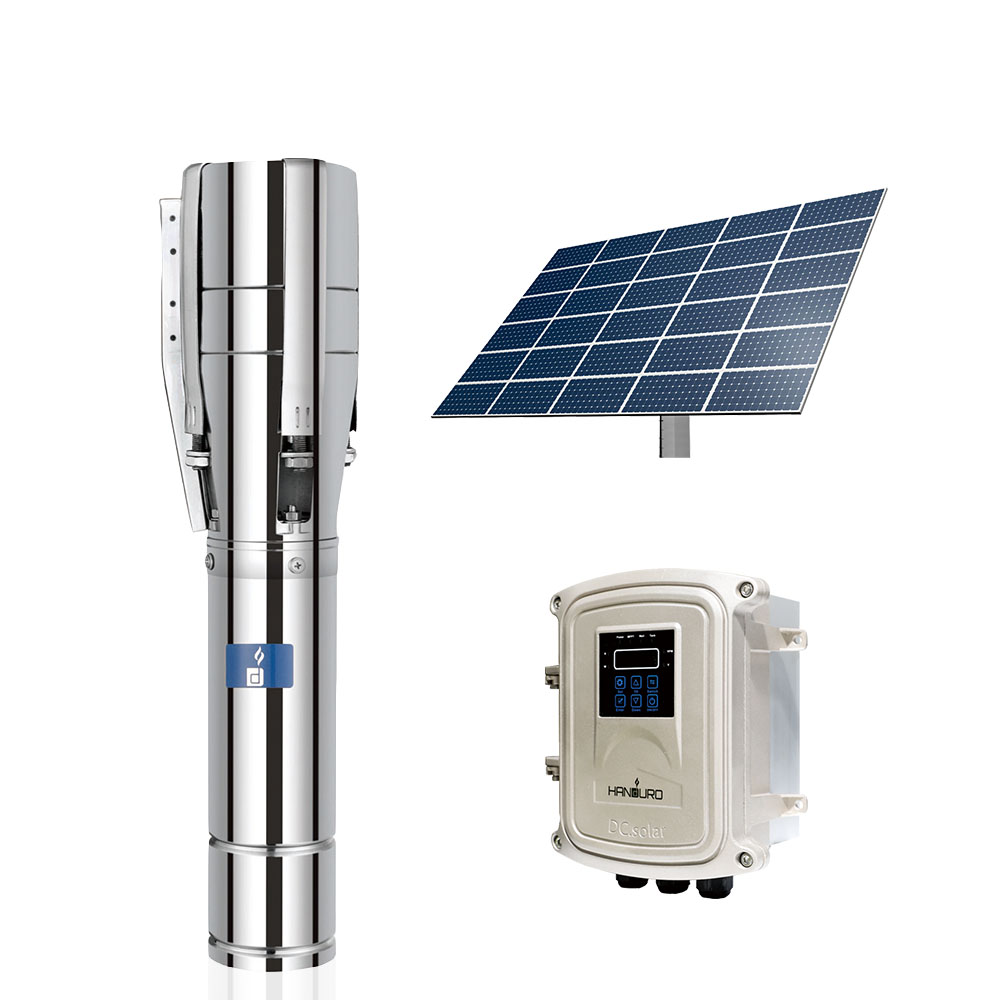
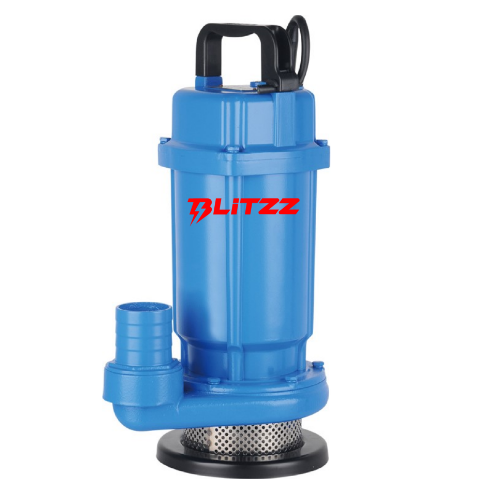
To size your pump correctly, calculate three factors: the total head (vertical lift from water source to highest delivery point), the required flow rate (litres per minute needed for your irrigation type), and the suction depth (distance from pump to water surface). For borehole applications deeper than 7 metres, you need a submersible or high-suction pump. For surface water sources like rivers and tanks, a standard centrifugal pump works well. Contact Jamalitech for free pump sizing advice tailored to your specific farm setup.Power Solutions for Off-Grid Irrigation
Many small farms in Wakiso, Mukono, and Mpigi districts lack reliable grid electricity, making generator-powered and fuel-powered pump systems essential for irrigation. A properly sized generator can power electric submersible pumps, automated drip systems, and even cold storage for harvested produce. Jamalitech supplies generators from 2 kVA to 100+ kVA to match any farm's power requirements. Electric irrigation systems offer advantages in automation and quiet operation, but they require a stable power source. For farms without grid access, a dedicated generator provides the reliability needed to run electric pumps on schedule. A 3–5 kVA generator is sufficient for most smallholder irrigation setups, consuming 0.8–1.5 litres of fuel per hour. Some progressive farmers in the Lake Victoria basin are combining solar panels with generator backup to reduce fuel costs while maintaining irrigation reliability during cloudy periods.Crop-Specific Irrigation Recommendations
Different crops have vastly different water needs, and matching your irrigation method to your primary crops can save 20–40% on water and energy costs. Coffee, Uganda's top export crop, thrives with drip irrigation during dry months, while vegetables for Kampala's markets need frequent, lighter watering. Below are tailored recommendations for the most profitable crops grown on small farms around Kampala.Vegetables (Tomatoes, Cabbages, Green Peppers)
Vegetables are the highest-value crops for peri-urban farms supplying Kampala's markets. Tomatoes require 4–6 litres of water per plant per day during fruiting, delivered consistently at the root zone. Drip irrigation is ideal because it keeps foliage dry, reducing fungal diseases like blight that thrive in Uganda's humid climate. A half-acre tomato plot can generate UGX 3,000,000–5,000,000 per season with proper irrigation, compared to UGX 800,000–1,500,000 under rain-fed conditions. Pair your irrigation system with a knapsack sprayer for integrated pest management to maximise yields.Coffee
Coffee farms in Mukono, Wakiso, and Mpigi benefit enormously from supplemental irrigation during dry spells. Arabica coffee requires 1,500–2,000 mm of water annually, and even short dry periods during flowering cause cherry drop and reduced bean quality. Drip irrigation at the base of coffee trees, scheduled for early morning, improves cherry set by 25–35%. Many coffee farmers are investing in irrigation to meet the quality standards demanded by specialty coffee buyers, making the initial setup cost recoverable within 2–3 harvest cycles.Fruits (Passion Fruit, Watermelon, Pineapple)
Fruit farming is expanding rapidly in districts around Kampala as demand from juice processors and fresh markets grows. Passion fruit vines require regular watering during fruit development — a drip system with 2-litre-per-hour emitters spaced at each vine base works best. Watermelon farming during the dry season can be extremely profitable (UGX 2,000,000–4,000,000 per acre) but requires reliable irrigation throughout the 75–90 day growing cycle. Hose pipe or sprinkler systems work well for watermelon on flat, sandy-loam soils common in parts of Mpigi district.Installation and Setup: Getting Your Irrigation System Right
Proper installation determines whether your irrigation system performs at peak efficiency or wastes water, fuel, and money. Common mistakes include undersized pipes, poorly positioned pumps, and inadequate filtration — all of which reduce system performance by 30–50%. Professional installation pays for itself within the first season through water and fuel savings.Site Assessment
Before purchasing any equipment, assess your farm's topography, water source location, soil type, and crop layout. Measure the distance from your water source to the farthest field boundary. Note any elevation changes, as these affect pump head requirements. Test your water source output — a borehole that yields only 500 litres per hour cannot support a system designed for 2,000 litres per hour. Jamalitech offers irrigation system installation services that include full site assessment and system design.Pipe and Fitting Selection
Use HDPE (High-Density Polyethylene) pipes for main lines as they resist UV degradation, are flexible enough to navigate uneven terrain, and last 15–20 years. For drip lateral lines, use standard 16 mm drip tape or tubing with emitters spaced according to your crop row spacing. Ensure all connections are secure and leak-free — even small leaks in the main line can waste hundreds of litres daily and reduce pressure at the emitters.Filtration
Every irrigation system drawing from natural water sources needs filtration. Sand, algae, and organic matter can block drip emitters and damage pump impellers. A disc filter or screen filter installed after the pump removes particles down to 120–200 mesh, protecting your drip lines and ensuring even water distribution. Clean filters weekly during peak irrigation season to maintain flow rates.Cost Analysis: Irrigation Investment vs. Returns
A well-designed irrigation system on a 1-acre vegetable farm near Kampala typically pays for itself within one to two growing seasons. The key financial advantage is the ability to farm during dry seasons when market prices for fresh produce are 50–100% higher than during rainy season gluts. Below is a realistic cost breakdown for a small farm irrigation setup.Initial Investment Breakdown (1-Acre Drip System)
A complete 1-acre drip irrigation system includes: water pump (UGX 500,000–1,500,000), main line pipes and fittings (UGX 400,000–600,000), drip tape and emitters (UGX 600,000–1,000,000), filtration unit (UGX 200,000–400,000), and installation labour (UGX 300,000–500,000). Total investment ranges from UGX 2,000,000 to UGX 4,000,000. Farmers can start with a basic setup and expand incrementally as revenues grow.Operating Costs
Monthly fuel costs for a gasoline pump running 3 hours daily average UGX 180,000–270,000. Diesel pumps reduce this to UGX 120,000–180,000. Maintenance costs (filter cleaning, emitter replacement, minor repairs) add approximately UGX 50,000–100,000 per month. Annual operating costs for a 1-acre system total UGX 2,500,000–4,000,000.Revenue Impact
Irrigated vegetable farming enables 3–4 harvest cycles per year instead of 2 under rain-fed conditions. Each additional cycle on 1 acre of tomatoes generates UGX 2,000,000–4,000,000 in gross revenue. After deducting irrigation operating costs, the net gain from irrigation is UGX 2,000,000–8,000,000 per acre per year. This means the initial system investment is recovered within the first dry-season harvest for most farmers.Government Support and Financing Options
The Ugandan government and several development organisations offer subsidies, grants, and low-interest loans specifically for small-scale irrigation projects. Farmer cooperatives in Wakiso, Mukono, and Mpigi can access group financing that makes irrigation affordable even for the smallest landholders. Understanding these options can reduce your out-of-pocket costs by 30–50%. The Ministry of Agriculture's National Irrigation Policy aims to expand irrigated farmland from the current 15,000 hectares to 1.5 million hectares. Under various programmes, smallholder farmers can access matching grants for irrigation equipment purchases. Agricultural microfinance institutions like BRAC Uganda and Opportunity Bank offer equipment loans at 18–24% annual interest with flexible repayment schedules tied to harvest cycles. Additionally, some equipment suppliers including Jamalitech offer instalment payment plans for water pumps and generators, reducing the barrier to entry for cash-constrained farmers.Where to Buy Irrigation Equipment in Kampala
Purchasing irrigation equipment from a trusted supplier ensures you get genuine, warranty-backed products with proper after-sales support and technical guidance. Jamalitech is a leading supplier of water pumps, generators, and agricultural machinery in Kampala, serving farmers across Uganda with competitive pricing and countrywide delivery. Buying from established dealers protects you from counterfeit products that fail prematurely and waste your investment. When choosing a supplier, verify that they stock genuine branded equipment, offer warranties of at least 6–12 months, and provide technical support for installation and troubleshooting. Buying water pumps from trusted suppliers in Kampala ensures your irrigation investment is protected. Jamalitech's team can advise on the right pump size, recommend compatible accessories, and arrange delivery to your farm location anywhere in Uganda. Visit our agricultural machinery section to browse the full range of farming equipment available.Contact Jamalitech for Reliable Power Equipment
Office Address: Kampala, Uganda Phone / WhatsApp: +256 742 264 753 Email: info@jamalitech.com Website: / Business Hours: Mon - Fri: 8:00 AM - 6:00 PM Sat: 9:00 AM - 4:00 PMOur Guarantees
- Competitive Pricing: Get the best quotes on generators, water pumps, and machinery.
- Countrywide Delivery: Fast dispatch within Kampala and secure shipping to upcountry regions including Jinja, Mbarara, Gulu, and Mbale.
- Reliability: Genuine equipment built to withstand tough working conditions.
Ready to spec your equipment?
Tell us your job and we’ll come back with a sized quote, delivery window and warranty terms.