
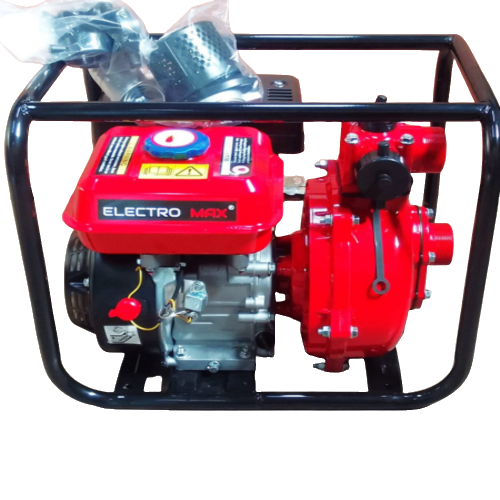
Generator safety is a critical operational requirement in homes, construction sites, hospitals, farms, and industrial facilities. In Uganda and the wider East African region, generators are widely used due to inconsistent grid reliability, but improper handling leads to serious risks including electrical shock, fire hazards, carbon monoxide poisoning, and equipment failure.
This guide provides practical, field-tested generator safety tips designed for real-world operating conditions, including outdoor construction environments, urban residential use, and industrial backup power systems.
Generator Safety Tips Every User Should Know Before Operation
Generator safety tips every user should know before operation focus on correct setup, placement, and environmental preparation. Most generator accidents occur before the machine is even switched on due to poor installation practices.
Before starting a generator:
- Ensure the unit is placed on a flat, dry, and stable surface
- Keep it outdoors or in a well-ventilated structure
- Check fuel level and oil condition before starting
- Inspect cables and connections for wear or damage
Generators must never be operated in enclosed indoor spaces due to toxic gas buildup risks.
Proper setup significantly reduces operational hazards and ensures stable performance during power demand cycles.
Generator Safety Tips Every User Should Know About Carbon Monoxide Risks
Carbon monoxide exposure is one of the most dangerous risks associated with generator use. It is a colorless and odorless gas produced during fuel combustion.
Generator safety tips every user should know regarding carbon monoxide include:
- Never operate generators inside houses, garages, or basements
- Always position the exhaust away from doors and windows
- Maintain at least several meters of open-air ventilation around the unit
- Install carbon monoxide detectors in nearby buildings when possible
In dense urban environments, improper generator placement can expose entire households or workplaces to dangerous gas accumulation.
Generator Safety Tips Every User Should Know for Fuel Handling
Fuel handling is a major safety concern because generators rely on flammable liquids such as petrol or diesel.
Safe fuel practices include:
- Refueling only when the generator is switched off and cooled
- Storing fuel in approved, sealed containers
- Keeping fuel away from open flames or heat sources
- Avoiding spills during refueling operations
Fuel vapors are highly flammable and can ignite if exposed to sparks or hot engine surfaces.
Proper fuel management also improves generator efficiency and extends engine lifespan.
Generator Safety Tips Every User Should Know for Electrical Connections
Incorrect electrical connections are a major cause of generator-related accidents, including electric shock and equipment damage.
Safe electrical practices include:
- Using properly rated extension cables
- Avoiding overloaded sockets
- Ensuring grounding is correctly installed
- Never connecting a generator directly to household wiring without a transfer switch
A transfer switch ensures safe power distribution between the grid and generator, preventing backfeeding which can endanger utility workers and damage equipment.
In industrial environments, certified electricians should always handle generator integration.
Generator Safety Tips Every User Should Know for Placement and Ventilation
Proper generator placement is essential for both safety and performance. Heat buildup and exhaust emissions require continuous airflow.
Safe placement guidelines include:
- Positioning at least a safe distance from occupied buildings
- Ensuring unrestricted airflow around the engine
- Avoiding placement near flammable materials
- Keeping the area dry and protected from flooding
In environments with heavy rainfall such as Kampala, elevated platforms are often used to prevent water damage during wet seasons.
Good ventilation also improves combustion efficiency and reduces engine strain.
Generator Safety Tips Every User Should Know During Operation
Generator safety tips every user should know during operation focus on monitoring, load management, and real-time safety awareness.
During operation:
- Avoid overloading the generator beyond rated capacity
- Monitor engine temperature and vibration levels
- Check fuel consumption patterns for irregularities
- Keep children and unauthorized personnel away from the unit
Overloading is one of the most common causes of generator failure, leading to overheating and permanent engine damage.
Load balancing is essential in commercial and industrial applications where multiple machines are powered simultaneously.
Generator Safety Tips Every User Should Know for Maintenance
Regular maintenance is a core safety requirement for reliable generator operation. Poor maintenance increases the risk of mechanical failure and electrical hazards.
Maintenance practices include:
- Changing engine oil at recommended intervals
- Cleaning or replacing air filters regularly
- Inspecting spark plugs and fuel injectors
- Checking battery condition in electric start systems
Dusty environments and high humidity conditions common in East Africa require more frequent servicing schedules compared to temperate regions.
Well-maintained generators operate more efficiently, consume less fuel, and reduce unexpected breakdowns.
Generator Safety Tips Every User Should Know for Weather Conditions
Environmental conditions significantly affect generator performance and safety.
In rainy conditions:
- Protect the generator from direct rainfall
- Avoid water contact with sockets and control panels
- Use weatherproof covers without restricting airflow
In dusty or dry environments:
- Clean air filters more frequently
- Keep intake vents free from obstruction
In high-temperature conditions:
- Allow proper cooling cycles
- Avoid continuous overload operation
Weather-adapted usage improves both safety and equipment longevity.
Generator Safety Tips Every User Should Know for Storage
Safe storage practices help prevent damage, theft, and accidental ignition.
Proper storage includes:
- Keeping generators in dry, secure locations
- Draining fuel if stored for long periods
- Disconnecting batteries in idle systems
- Covering equipment to prevent dust accumulation
Improper storage can lead to corrosion, fuel degradation, and starting failures.
Generator Safety Tips Every User Should Know for Residential Use
Residential generator safety requires special attention due to proximity to living spaces.
Key residential safety measures:
- Keep generator far from bedrooms and living areas
- Avoid running during sleep without monitoring systems
- Use noise-reducing enclosures when possible
- Ensure children are kept away from operational units
Residential installations should prioritize safety over convenience at all times.
Generator Safety Tips Every User Should Know for Industrial Use
Industrial generator safety involves higher load demands and more complex electrical systems.
Key industrial practices include:
- Professional installation of backup systems
- Routine load testing under controlled conditions
- Use of automatic transfer switches
- Scheduled preventive maintenance programs
Industrial environments often rely on generators as primary backup infrastructure, making reliability and safety essential.
Frequently Asked Questions (FAQ) on Generator Safety Tips Every User Should Know
What are the most important generator safety tips every user should know?
The most important generator safety tips every user should know include proper outdoor placement, avoiding carbon monoxide exposure, safe fuel handling, correct electrical connections, and regular maintenance. These practices prevent accidents and improve generator performance.
Can a generator be used indoors safely?
No, generators should never be used indoors due to carbon monoxide emissions. Even partially enclosed spaces like garages or sheds can be dangerous without proper ventilation.
How far should a generator be placed from the house?
A generator should be placed several meters away from buildings to ensure proper ventilation and reduce exposure to exhaust fumes. Exhaust should always face away from doors and windows.
What happens if a generator is overloaded?
Overloading a generator can cause overheating, voltage instability, engine damage, and in severe cases, fire hazards. It is important to operate within the rated power capacity at all times.
How often should a generator be serviced?
Generators should be serviced based on operating hours, typically every 100 to 500 hours depending on usage intensity and environmental conditions. Dusty and humid environments require more frequent maintenance.
Is it safe to refuel a running generator?
No, refueling a running or hot generator is unsafe. The engine must be turned off and allowed to cool before refueling to prevent fire hazards.
Why is grounding important for generator safety?
Grounding is important because it prevents electric shock and stabilizes voltage output. Proper grounding protects both users and connected equipment from electrical faults.
Can generators be used during rain?
Generators should not be exposed to direct rain. If used outdoors during wet weather, they must be covered with a waterproof but ventilated shelter to prevent electrical hazards.
What is the safest fuel for generators?
Diesel is generally considered safer than petrol due to its lower flammability, but both require careful handling and proper storage to avoid fire risks.
Conclusion
Generator safety tips every user should know are essential for preventing accidents, improving performance, and extending equipment lifespan. Safe installation, proper fuel handling, correct electrical setup, and consistent maintenance form the foundation of safe generator operation in homes, businesses, and industrial environments.
In regions like Uganda and East Africa where generators are widely used due to power instability, safety awareness is not optional—it is a critical operational requirement.
Contact Jamalitech for Reliable Power Equipment
Office Address: Kampala, Uganda
Phone / WhatsApp: +256 742 264 753
Email: info@jamalitech.com
Website: https://jamalitech.com/
Business Hours:
Mon – Fri: 8:00 AM – 6:00 PM
Sat: 9:00 AM – 4:00 PM
Our Guarantees
- Competitive Pricing: Get the best quotes on generators, water pumps, and machinery.
- Countrywide Delivery: Fast dispatch within Kampala and secure shipping to upcountry regions including Jinja, Mbarara, Gulu, and Mbale.
- Reliability: Genuine equipment built to withstand tough working conditions.