
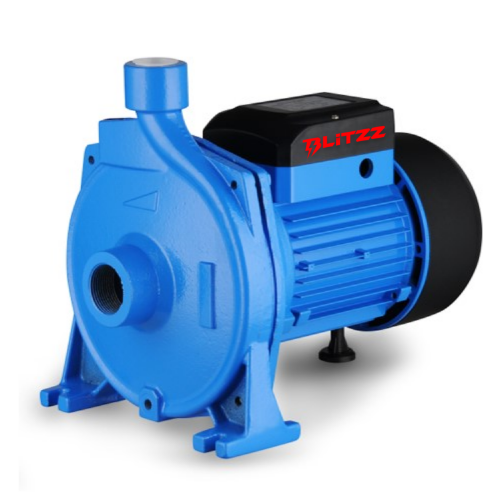
Why Water Pumps Have Become Indispensable for Ugandan Agriculture
Uganda’s agricultural sector depends heavily on reliable water supply, yet unpredictable rainfall patterns increasingly threaten crop yields across the country. Water pumps provide farmers with the ability to irrigate their fields consistently, regardless of seasonal dry spells that can devastate harvests. From smallholder plots in Mukono to large-scale commercial farms in Masindi, irrigation pumps are transforming how Ugandans grow food.
Agriculture remains the backbone of Uganda’s economy, employing over 70 percent of the population and contributing significantly to the national GDP. Yet the majority of farming in the country remains rain-fed, leaving millions of farmers vulnerable to the unpredictable weather cycles that have become more frequent due to climate change. In Kampala and surrounding peri-urban areas, the demand for fresh produce continues to rise, but supply remains inconsistent because farmers lack the tools to manage water effectively. This is precisely where water pumps play a critical role in bridging the gap between water availability and crop demand.
The Ugandan government has recognized the importance of irrigation, launching several schemes aimed at expanding irrigated acreage across the country. Projects in regions like Doho in Butaleja and the Mubuku irrigation scheme in Kasese have demonstrated that when farmers have access to consistent water, productivity can increase by as much as 300 percent. However, many of these government-run projects serve only a fraction of the farming population, leaving the majority to source their own irrigation solutions. Affordable, efficient irrigation water pumps from trusted suppliers are the practical answer for farmers who cannot wait for public infrastructure to reach them.
Understanding Uganda’s Water Challenges and Seasonal Dry Spells
Uganda experiences two main dry seasons annually, during which water sources shrink and crops face severe stress without supplemental irrigation. Climate change has made these dry periods longer and less predictable, pushing farmers toward mechanical water solutions.
The country’s bimodal rainfall pattern typically delivers rains from March to May and again from September to November. Between these windows, particularly from December to February and June to August, vast stretches of farmland receive little to no rainfall. In northern Uganda, including areas around Gulu and Lira, the situation is even more severe, with a single rainy season that leaves farmers idle for extended periods. Crops like tomatoes, onions, cabbages, and maize require consistent moisture throughout their growing cycles. Without irrigation, farmers in these regions face total crop failure during dry months.
Climate change has compounded these challenges significantly. Studies from Makerere University’s Department of Geography indicate that average temperatures across Uganda have risen by approximately 1.5 degrees Celsius over the past three decades, while rainfall variability has increased by nearly 20 percent. For farmers in the central region around Kampala, Wakiso, and Mpigi, this means that even traditionally reliable growing seasons now carry significant risk. Investing in a dependable gasoline water pump or a diesel water pump provides insurance against these increasingly volatile conditions.
Types of Irrigation Pumps and Their Applications in Ugandan Farming
Different crops and farm sizes require specific pump types, ranging from small gasoline-powered units for garden plots to heavy-duty diesel pumps for commercial operations. Selecting the right pump depends on water source distance, elevation changes, and the volume of water needed daily.
Gasoline water pumps are the most popular choice among smallholder farmers in Uganda. They are lightweight, relatively affordable, and easy to transport between fields. A typical 2-inch gasoline pump can deliver between 500 and 600 liters per minute, making it suitable for farms of up to 5 acres. These pumps are ideal for drawing water from nearby rivers, streams, or shallow wells and distributing it through sprinkler or drip irrigation systems. Farmers in Kampala’s peri-urban areas frequently use these units to irrigate vegetable gardens that supply the city’s markets.
For larger operations, diesel water pumps offer superior performance and durability. A 3-inch or 4-inch diesel pump can move significantly more water over greater distances and higher elevations. Commercial farms growing rice, sugarcane, or tea in regions like Jinja, Busoga, and the western highlands rely on diesel-powered irrigation to maintain consistent production. The fuel efficiency of diesel engines also makes them more economical for extended daily use, which is essential during the long dry seasons. At Jamalitech, we supply both gasoline and diesel water pumps suited for every scale of Ugandan farming.
Beyond traditional surface pumps, submersible pumps are gaining popularity for borehole-based irrigation systems. These units sit inside the water source and push water upward, making them ideal for deep wells and boreholes that are common across Uganda’s drier regions. Farmers who have invested in borehole drilling find that pairing the borehole with a quality submersible pump creates a year-round water supply that eliminates dependence on surface water entirely.
Crop Water Requirements and Recommended Pump Specifications
Each crop has specific daily water needs that must be met for optimal growth, and matching these requirements to the right pump ensures efficiency and cost savings. The following table outlines the water demands of common Ugandan crops alongside suitable pump recommendations.
| Crop Type | Water Need (L/day/acre) | Growing Season | Recommended Pump Type | Pump Size (HP) | Irrigation Method |
|---|---|---|---|---|---|
| Tomatoes | 4,000 – 5,500 | Mar – Jun / Sep – Dec | Gasoline Surface Pump | 5.5 – 6.5 | Drip Irrigation |
| Maize | 3,500 – 5,000 | Mar – Jul / Sep – Jan | Gasoline Surface Pump | 5.5 – 7.0 | Sprinkler |
| Rice (Paddy) | 8,000 – 12,000 | Apr – Aug | Diesel Surface Pump | 8.0 – 12.0 | Flood/Basin |
| Cabbage | 3,000 – 4,500 | Year-round | Gasoline Surface Pump | 5.5 – 6.5 | Drip Irrigation |
| Sugarcane | 6,000 – 9,000 | Year-round | Diesel Surface Pump | 10.0 – 15.0 | Furrow |
| Onions | 3,500 – 4,000 | Dec – Mar / Jun – Sep | Gasoline Surface Pump | 5.5 – 6.5 | Drip Irrigation |
| Coffee | 2,500 – 4,000 | Year-round | Diesel/Submersible | 7.0 – 10.0 | Sprinkler/Drip |
| Beans | 2,500 – 3,500 | Mar – Jun / Sep – Dec | Gasoline Surface Pump | 5.5 | Sprinkler |
Food Security and the Economic Impact of Irrigation in Uganda
Irrigation directly impacts food security by enabling year-round crop production, reducing Uganda’s reliance on imported food during dry seasons. Farmers who invest in pump-based irrigation systems report significantly higher incomes and more stable livelihoods.
Uganda’s food security situation remains precarious despite the country’s abundant natural resources. The World Food Programme has consistently identified seasonal food shortages in northern and eastern Uganda, where rain-fed agriculture dominates and failed rains can trigger localized food crises. Irrigation addresses this vulnerability head-on by allowing farmers to grow food throughout the year, including during the traditionally barren dry seasons. A single gasoline water pump can enable a smallholder farmer to cultivate vegetables continuously, producing three to four harvests per year instead of the typical two.
The economic returns of irrigation are equally compelling. Research conducted across East Africa shows that irrigated farms generate between two and five times more revenue per acre than rain-fed farms. For Ugandan farmers operating near Kampala, where demand for fresh produce is high and market access is strong, the investment in a water pump often pays for itself within a single growing season. The key is selecting equipment that balances performance with affordability, which is why consulting with knowledgeable suppliers like Jamalitech’s team is essential before making a purchase.
Choosing the Right Irrigation System for Your Farm
The best irrigation system depends on your specific crop, terrain, water source, and budget, and combining the right pump with the appropriate distribution method maximizes results. Drip irrigation offers the highest water efficiency, while sprinkler systems cover larger areas with less infrastructure.
Drip irrigation has gained significant traction among Ugandan farmers growing high-value crops like tomatoes, peppers, strawberries, and flowers. This method delivers water directly to the plant roots through a network of tubes and emitters, reducing water waste by up to 60 percent compared to flood irrigation. When paired with a reliable gasoline or diesel pump, drip systems allow farmers to irrigate precisely and consistently. The initial setup cost is higher than basic flooding methods, but the water savings and improved crop quality justify the investment, particularly in areas around Kampala where water access may be limited or costly.
Sprinkler irrigation remains the preferred method for larger fields growing maize, beans, and other staple crops. These systems use the pump’s pressure to spray water over a wide area, simulating natural rainfall. Farmers in Uganda’s eastern and northern regions, where fields tend to be larger and flatter, find sprinkler systems particularly effective. The combination of a powerful diesel water pump with an efficient sprinkler layout can irrigate 10 or more acres with minimal manual labor. For comprehensive irrigation solutions tailored to Kampala and surrounding areas, professional guidance ensures that every component of the system works harmoniously.
Maintaining Your Water Pump for Long-Term Performance
Proper maintenance extends the lifespan of irrigation pumps by years and prevents costly breakdowns during critical growing periods. Simple practices like regular oil changes, filter cleaning, and proper storage make a significant difference in pump reliability.
A well-maintained water pump can serve a Ugandan farmer for a decade or more, but neglect can reduce that lifespan to just a few seasons. The most important maintenance tasks include changing the engine oil after every 50 to 100 hours of operation, cleaning or replacing the air filter regularly to prevent dust ingestion (a particular concern on Uganda’s unpaved rural roads), and inspecting the impeller and seals for wear. Before each irrigation session, farmers should check the pump’s priming system and ensure the suction hose is free of cracks or blockages.
Storage practices also matter significantly. During the rainy seasons when the pump is not in heavy use, it should be drained of water, the fuel system should be stabilized or emptied, and the unit should be stored in a dry, covered location. Exposure to rain and humidity accelerates corrosion, particularly on metal components. Farmers who invest in quality agricultural machinery and follow these maintenance guidelines consistently report fewer breakdowns and lower long-term costs. For access to replacement parts and servicing support, working with an established supplier in Kampala ensures that help is always within reach.
The Future of Irrigation Farming in Uganda
Solar-powered pumping systems and smart irrigation technologies are emerging as the next frontier for Ugandan agriculture, promising even greater efficiency and sustainability. Government and private sector investment in irrigation infrastructure continues to grow, signaling a promising future for mechanized farming.
The Ugandan government’s National Irrigation Policy aims to bring 1.5 million hectares under irrigation by 2040, a dramatic increase from the current coverage of approximately 15,000 hectares. This ambitious target will require massive investment in pump technology, water storage, and distribution infrastructure. Private sector players, including equipment suppliers and agricultural financiers, are stepping up to fill the gap. Meanwhile, solar-powered water pumps are becoming increasingly viable as the cost of photovoltaic panels continues to decline. These systems eliminate fuel costs entirely and are particularly attractive for remote farming areas that lack access to fuel supply chains.
Smart irrigation technologies, including soil moisture sensors and automated pump controllers, are also making their way into the Ugandan market. These tools allow farmers to irrigate only when and where water is needed, reducing waste and maximizing crop yields. While still relatively new in the Ugandan context, early adopters in the Kampala region are already seeing benefits. As these technologies become more affordable and accessible, they will complement the generators and pumps that currently power Uganda’s agricultural transformation. The combination of reliable equipment and advancing technology positions Ugandan farming for a productive and sustainable future.
Contact Jamalitech for Reliable Power Equipment
Office Address: Kampala, Uganda
Phone / WhatsApp: +256 742 264 753
Email: info@jamalitech.com
Website: https://jamalitech.com/
Business Hours:
Mon – Fri: 8:00 AM – 6:00 PM
Sat: 9:00 AM – 4:00 PM
Our Guarantees
- Competitive Pricing: Get the best quotes on generators, water pumps, and machinery.
- Countrywide Delivery: Fast dispatch within Kampala and secure shipping to upcountry regions including Jinja, Mbarara, Gulu, and Mbale.
- Reliability: Genuine equipment built to withstand tough working conditions.