
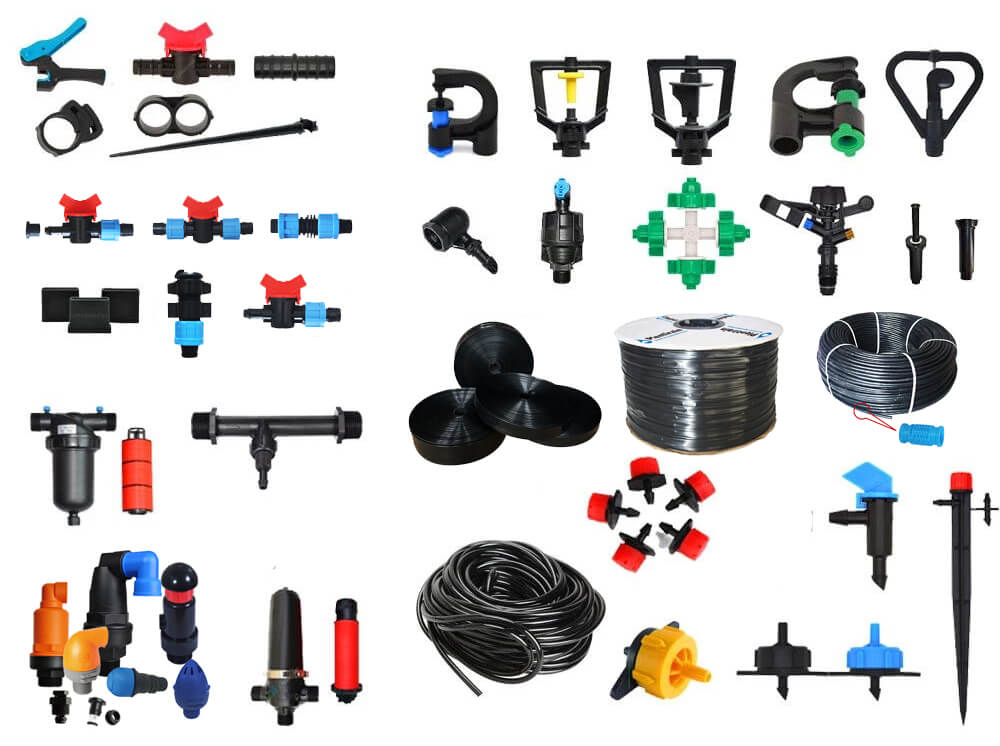
What is Irrigation Equipment Uganda and Why It Matters
Irrigation equipment Uganda ensures consistent water supply to crops, increases yields, and supports sustainable farming practices across smallholder and commercial farms.
Water management is a critical challenge in Uganda due to seasonal rainfall variability, high evaporation rates, and regions prone to drought. Implementing efficient irrigation solutions allows farmers to:
- Maintain crops during dry spells
- Optimize fertilizer and nutrient use
- Reduce post-harvest losses due to uneven watering
Jamali Tech provides water pumps and irrigation machinery designed to meet Uganda’s unique climate and soil conditions.
Benefits of Irrigation Equipment Uganda for Smallholder and Commercial Farms
Irrigation equipment Uganda boosts farm productivity, reduces labor costs, and enhances crop quality through precise water management.
Key Benefits:
- Increased Yields: Consistent irrigation ensures optimal growth cycles
- Labor Savings: Reduces manual watering, freeing labor for other tasks
- Water Efficiency: Modern pumps and sprinkler systems minimize wastage
- Year-Round Production: Enables multiple cropping cycles, even during dry seasons
Using diesel-powered water pumps ensures farms remain operational even in off-grid areas, providing reliable irrigation across Uganda’s diverse regions.
Types of Irrigation Equipment in Uganda
Affordable and reliable irrigation equipment Uganda includes a variety of pumps, sprinklers, and complementary machinery.
1. Water Pumps
- Diesel Pumps: High power, suitable for high-flow irrigation and large farms
- Petrol Pumps: Versatile, portable, ideal for smallholder farms
- Submersible Pumps: Efficient for boreholes and wells
2. Sprinkler Systems
- Rotary Sprinklers: Distribute water uniformly over medium-sized plots
- Drip Irrigation: Delivers water directly to roots, reducing evaporation
- Portable Sprinklers: Lightweight and flexible for multiple plots
3. Complementary Machinery
- Rotary cultivators prepare soil before irrigation
- Knapsack sprayers help distribute liquid fertilizers alongside irrigation
Why Choose Irrigation Equipment Uganda
Investing in irrigation equipment Uganda ensures reliable water delivery, reduces crop stress, and increases productivity. With Jamali Tech’s UNBS-compliant solutions, farmers achieve higher efficiency and consistent yields across varying soil types and climates.
Climate and Terrain Considerations for Irrigation Equipment
Irrigation equipment Uganda must perform reliably under regional climatic and terrain conditions.
Regional Challenges:
- Highland Areas (Kapchorwa, Kabale): Reduced engine performance; choose high-torque pumps
- Wetlands and Flood-Prone Zones: Corrosion-resistant pumps and elevated installation
- Dry Plains: Require high-capacity pumps and efficient water distribution
For example, high-pressure water pumps are designed to maintain flow rates even in areas with low water tables.
Selecting the Right Irrigation Equipment for Your Farm
Choosing the right irrigation equipment Uganda depends on acreage, crop type, and water source.
Step 1: Assess Water Source
- River or stream: Diesel pumps for large flow
- Boreholes: Submersible pumps for consistent pressure
- Rainwater storage tanks: Portable pumps for flexibility
Step 2: Determine Farm Size
- Small plots (<2 acres): Petrol pumps and portable sprinklers
- Medium plots (2–5 acres): Diesel pumps and rotary sprinklers
- Large farms (>5 acres): High-capacity diesel pumps with automated control
Step 3: Evaluate Crop Requirements
- Row crops → Drip irrigation for efficiency
- Vegetables and leafy greens → Sprinklers for uniform coverage
Technical Parameters to Consider
Ensuring technical suitability guarantees optimal performance under Uganda’s conditions.
- Flow Rate (m³/hour): Match to acreage and crop water needs
- Engine Power (HP): Higher horsepower for larger farms and high-elevation areas
- Fuel Type: Diesel for heavy-duty use, petrol for portability
- Pump Head (meters): Ensure water reaches intended elevation
- Weight (kg): Consider portability for smallholder farms
Maintenance and Longevity Tips
Proper care extends the life of irrigation equipment Uganda.
- Clean filters and pipes regularly
- Inspect pumps for leaks or corrosion
- Store machinery in a dry, shaded location
- Follow UNBS and manufacturer maintenance schedules
Cost Considerations and Financing Options
Affordable irrigation equipment Uganda balances upfront cost with long-term productivity gains.
- Smallholder farmers: Petrol pumps and portable sprinklers for low upfront cost
- Medium-scale farms: Diesel pumps with mid-range investment
- Large commercial farms: High-capacity diesel pumps with automation
Financing Solutions:
- Cooperative group purchases
- Leasing or hire-purchase plans
- Microfinance or agricultural loans
Integration with Farm Operations
Irrigation equipment Uganda works best when combined with complementary farm machinery.
- Rotary cultivators for soil preparation
- Brush cutters for clearing irrigation channels
- Knapsack sprayers for fertilizer and pesticide application
Safety and Compliance
Safety is critical when operating irrigation machinery in Uganda.
- Always wear protective gear
- Avoid running pumps dry
- Ensure all equipment meets UNBS standards
- Train staff on proper operation
Advantages of Choosing Jamali Tech for Irrigation Equipment
- UNBS-certified and East Africa-tested machinery
- Expert consultation on equipment selection
- Spare parts and service availability
- Delivery across Uganda and neighboring EAC countries
Visit Jamali Tech Our Products for full product details.
Maximizing Farm Productivity with Irrigation Equipment
Using high-quality irrigation equipment Uganda ensures optimal water use, reduces crop stress, and increases yields, making smallholder and commercial farming more profitable.
Need Reliable Irrigation Equipment?
Contact Jamali Tech for industrial-grade irrigation pumps, sprinklers, and complementary farm machinery.
- Email: info@jamalitech.com
- Phone: +256 742 264 753
- Office: Kampala, Uganda
- Hours: Mon – Fri: 8:00 AM – 6:00 PM
- Get a Free Quote: Contact Jamali Tech
Regional Delivery Guarantee: Fast dispatch from Kampala. Serving Mbarara, Jinja, Gulu, and cross-border logistics to Nairobi.