
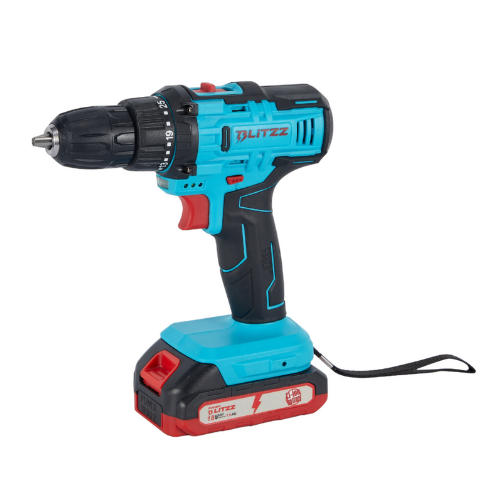
The Strategic Importance of Power Tools in Uganda’s Construction Sector
Power tools in Uganda are essential for modern construction because they significantly increase productivity, improve structural precision, and reduce dependency on manual labor across residential, commercial, and infrastructure projects. With rapid urbanization in Kampala, Entebbe, Jinja, and expanding EAC corridors, contractors increasingly rely on industrial-grade tools to meet tight deadlines and rising quality expectations.
Uganda’s construction environment is uniquely demanding due to:
- Unstable grid electricity in peri-urban zones
- High humidity and dust exposure on active sites
- Rapid project scaling driven by infrastructure development
- Increasing adoption of mechanized construction workflows
Jamali Tech provides industrial-grade solutions engineered specifically for these conditions, ensuring contractors maintain efficiency under real-world East African site challenges.
Explore core equipment ecosystems:
Market Demand for Power Tools in Uganda
Demand for power tools in Uganda is rapidly increasing due to infrastructure expansion, private real estate development, and industrialization projects across the East African region. Construction firms are shifting from manual labor to mechanized systems to reduce project delays and improve cost efficiency.
Key growth drivers include:
- Expansion of road networks under EAC trade routes
- Growth in urban housing developments in Kampala and Wakiso
- Industrial park development and factory construction
- Increased agricultural infrastructure modernization
Contractors now prioritize tools that can:
- Operate under unstable voltage conditions
- Withstand high dust and heat exposure
- Deliver consistent torque output over long work cycles
- Integrate with generator-powered sites
Supporting systems frequently used alongside power tools:
Core Categories of Power Tools Used in Uganda
Power tools in Uganda are broadly divided into drilling systems, grinding tools, cutting equipment, mixing machines, and finishing tools, each serving a specific role in construction, fabrication, and maintenance workflows.
Drilling Systems
Used for anchoring, steel fabrication, and electrical installations requiring precision penetration.
Access tools:
Grinding Systems
Used for smoothing metal surfaces, weld finishing, and structural correction.
Access tools:
Cutting Tools
Used for steel cutting, masonry shaping, and timber processing.
Access tools:
Mixing Equipment
Used for concrete preparation and industrial material blending.
Access tools:
Finishing Tools
Used for sanding, polishing, and surface refinement in final construction stages.
Access tools:
Drilling Systems in Structural Construction
Drilling systems are critical in Uganda’s construction sector for structural anchoring, reinforcement installation, and precision fabrication tasks where manual tools cannot achieve required accuracy or efficiency.
Modern drilling systems are engineered for:
- High torque output for dense materials such as reinforced concrete
- Brushless motor systems for extended operational lifespan
- Battery and generator compatibility for remote or unstable-grid environments
Common applications include:
- High-rise building construction in Kampala
- Industrial steel fabrication
- Electrical conduit installation
- Road infrastructure anchoring systems
Related systems:
Grinding Systems for Metal and Structural Work
Grinding tools are essential in Uganda’s construction industry for cutting, smoothing, and finishing metal and stone surfaces used in structural fabrication and welding operations.
They are widely used in:
- Steel reinforcement preparation
- Welding seam finishing
- Masonry and stone shaping
- Fabrication workshop operations
Operational challenges include:
- Dust accumulation leading to motor wear
- Overheating during continuous use cycles
- Voltage fluctuations in grid-dependent environments
To mitigate these issues, industrial-grade grinders feature:
- Sealed motor housings
- Thermal overload protection systems
- Reinforced internal bearings
Supporting equipment:
Cutting Tools for Construction Precision
Cutting tools in Uganda enable accurate and efficient shaping of steel, timber, and masonry materials, improving construction precision while reducing material waste and labor time.
Key applications include:
- Steel beam cutting in structural frameworks
- Timber framing for residential construction
- Concrete block shaping
- Pipe installation and adjustment
Engineering features include:
- High-speed motor systems for clean cutting
- Reinforced blade guards for operator safety
- Anti-kickback protection systems
Explore tools:
Industrial Mixers in Construction Projects
Industrial mixers are essential in Uganda for producing consistent concrete mixtures required for foundations, roadworks, and large-scale construction projects where structural integrity depends on material uniformity.
Common use cases include:
- Foundation slab preparation
- Road pavement mixing
- Commercial flooring systems
- Structural column casting
Operational requirements in Uganda include:
- Continuous-duty performance capability
- Resistance to high humidity environments
- Compatibility with generator-powered sites
Supporting systems:
Finishing Tools and Surface Refinement
Finishing tools such as sanders and polishers are used in Uganda to enhance surface quality, ensuring smooth finishes on concrete, metal, and wood surfaces in construction projects.
Applications include:
- Wall smoothing and plaster finishing
- Metal polishing for structural components
- Wood finishing in interior construction
- Floor surface refinement
Key features:
- Variable speed control for precision finishing
- Low vibration operation for operator safety
- Dust extraction compatibility for cleaner worksites
Access finishing systems:
Corded vs Cordless Power Tools in Uganda
Corded power tools provide stable and continuous energy for heavy-duty industrial tasks, while cordless tools offer mobility and flexibility for remote construction environments and sites with unstable power supply.
Key Differences
Corded tools:
- High continuous power output
- Ideal for industrial workshops
- Depend on grid or generator power
Cordless tools:
- High mobility for field operations
- Ideal for remote construction sites
- Battery-dependent operation
Cordless systems are especially useful in:
- Rural infrastructure projects
- Road construction outside urban centers
- Emergency maintenance operations
Access:
UNBS Standards and Safety Compliance in Uganda
Power tools used in Uganda must comply with Uganda National Bureau of Standards (UNBS) requirements to ensure safe operation, electrical reliability, and mechanical durability under local environmental conditions.
Compliance ensures:
- Electrical insulation safety standards
- Mechanical guard enforcement
- Thermal overload protection systems
- Safe voltage tolerance levels
Jamali Tech ensures all equipment meets:
- Regional industrial safety benchmarks
- East African Community (EAC) compliance frameworks
- Commercial-grade durability standards
Learn more:
Field Applications of Power Tools in Uganda
Power tools are widely used across Uganda in residential construction, industrial fabrication, infrastructure development, and agricultural facility construction due to their efficiency and precision advantages over manual tools.
Key application areas include:
- Urban residential housing development in Kampala
- Highway and road construction projects
- Industrial manufacturing facilities
- Agricultural processing infrastructure
Supporting integration:
Maintenance and Equipment Longevity Strategy
Proper maintenance of power tools in Uganda is essential for maximizing tool lifespan, reducing operational downtime, and ensuring consistent performance under harsh construction conditions.
Maintenance schedule:
- Daily cleaning after use
- Weekly lubrication of moving parts
- Monthly electrical inspection
- Quarterly performance testing
Common failure points:
- Carbon brush wear
- Bearing damage from dust exposure
- Cable insulation degradation
Support services:
Economic Impact of Power Tools in Uganda
Power tools significantly reduce construction costs in Uganda by improving labor efficiency, reducing material wastage, and accelerating project completion timelines across infrastructure and commercial developments.
Economic benefits include:
- Reduced labor dependency
- Faster construction cycles
- Improved structural precision
- Lower long-term operational costs
This impact is most visible in:
- Commercial real estate developments
- Public infrastructure projects
- Industrial construction zones
Conclusion: Why Jamali Tech Leads the Power Tools Market in Uganda
Jamali Tech leads Uganda’s power tools market by delivering industrial-grade, UNBS-compliant equipment designed specifically for East African environmental and operational conditions.
Competitive advantages include:
- Heavy-duty engineering for continuous operation
- Compatibility with generator-powered systems
- Strong regional supply and support network
- Optimized durability for dust, heat, and humidity
Explore full solutions:
FINAL
Need Reliable Power Equipment?
Contact Jamali Tech for competitive pricing on industrial-grade generators, heavy-duty water pumps, and agricultural machinery.
• Email: info@jamalitech.com
• Phone: +256 742 264 753
• Office: Kampala, Uganda
• Hours: Mon – Fri: 8:00 AM – 6:00 PM
• Get a Free Quote: https://jamalitech.com/contact/
Regional Delivery Guarantee: Fast, reliable dispatch from our Kampala headquarters. Serving major regions including Jinja, Mbarara, Gulu, and comprehensive cross-border logistics to Nairobi.