
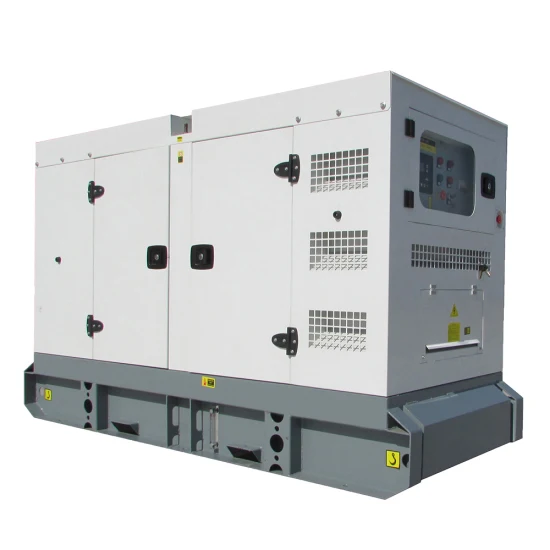
Why Fuel Efficiency Matters for Generator Owners in Uganda
Fuel costs represent 60-80% of the total cost of operating a generator over its lifetime, dwarfing the initial purchase price. In Uganda, where petrol prices hover around UGX 5,500-6,000 per liter and diesel around UGX 5,000-5,500, even small efficiency gains translate to significant annual savings. Understanding how to minimize fuel consumption is the most impactful financial decision any generator owner can make.
Load shedding remains a reality across Uganda, with many areas in Kampala and upcountry experiencing scheduled and unscheduled power outages totaling 4-8 hours daily. Businesses, homes, and institutions rely heavily on generators to bridge these gaps. Yet most generator owners waste 20-40% of their fuel budget through improper sizing, poor maintenance, and inefficient operating practices. At current fuel prices from Shell, Total, and other stations across Kampala, a poorly managed 5 kVA generator can waste over UGX 3 million annually in unnecessary fuel consumption.
This guide from Jamalitech provides proven strategies to reduce your generator fuel costs dramatically, whether you run a small home backup unit or a commercial-grade system for your business.
Choosing the Right Generator Size to Avoid Fuel Waste
Oversized generators are the single biggest cause of fuel waste in Uganda, with many owners running units at only 30-40% of their rated capacity. A generator operating below 50% load consumes disproportionately more fuel per kilowatt produced than one running at 70-80% load.
The most common mistake buyers make is purchasing a generator based on worst-case scenarios rather than typical daily needs. A household that needs 2 kVA during normal operation but buys a 7 kVA generator “just in case” will burn significantly more fuel per useful unit of electricity. The engine still consumes fuel to maintain its operating speed, even when the electrical load is minimal.
Before purchasing, calculate your actual power requirements by listing all devices you will run simultaneously. Add their wattage ratings and include a 20% buffer for starting surges. Visit Jamalitech’s generator collection to find units that match your calculated load. Our team can perform a free load assessment to ensure you get the right size for your specific situation. For a deeper comparison of available options, read our guide on diesel vs gasoline generators in Uganda.
How to Calculate Your Actual Power Needs
List every appliance and its wattage: refrigerator (150W running, 600W starting), lighting (10-20W per LED bulb), television (80-150W), fan (50-75W), computer (200-400W). Add running watts for your total continuous load. For the highest-starting-watt appliance, add the difference between its starting and running watts. This total determines your minimum generator size. Always verify with the actual nameplate ratings on your specific appliances.
Diesel vs Gasoline: Which Fuel Type Saves More Money
Diesel generators consume 15-30% less fuel than gasoline equivalents at the same power output, making them the more economical choice for regular use. However, gasoline generators have lower upfront costs, making them suitable for occasional or light-duty applications.
At current Uganda fuel prices, diesel costs approximately UGX 500-800 less per liter than petrol at Shell and Total stations across Kampala. Combined with diesel engines’ inherent efficiency advantage, the operating cost difference compounds significantly over time. A 5 kVA diesel generator running 4 hours daily saves approximately UGX 150,000-250,000 per month compared to a gasoline equivalent under the same load conditions.
Explore diesel generators and gasoline generators at Jamalitech to compare specifications and pricing. For applications requiring more than 3 hours of daily runtime, diesel generators almost always offer better long-term value despite their higher purchase price. The payback period on the price difference is typically 6-12 months of regular use.
Fuel Consumption Comparison by Generator Size
This table illustrates real-world fuel consumption and cost differences across common generator sizes available in Uganda. Use these figures to estimate your monthly fuel budget and calculate potential savings from proper sizing.
| Generator Size (kVA) | Load % | Gasoline (L/hr) | Diesel (L/hr) | Monthly Fuel Cost UGX (4hrs/day) | Annual Savings with Proper Sizing (UGX) |
|---|---|---|---|---|---|
| 2.5 | 75% | 0.9 | 0.6 | 594,000 (Gas) / 360,000 (Diesel) | 450,000 – 700,000 |
| 3.5 | 75% | 1.3 | 0.85 | 858,000 (Gas) / 510,000 (Diesel) | 600,000 – 950,000 |
| 5.0 | 75% | 1.8 | 1.2 | 1,188,000 (Gas) / 720,000 (Diesel) | 850,000 – 1,400,000 |
| 7.5 | 75% | 2.6 | 1.7 | 1,716,000 (Gas) / 1,020,000 (Diesel) | 1,200,000 – 2,000,000 |
| 10 | 75% | 3.5 | 2.3 | 2,310,000 (Gas) / 1,380,000 (Diesel) | 1,800,000 – 2,800,000 |
| 15 | 75% | 5.0 | 3.2 | 3,300,000 (Gas) / 1,920,000 (Diesel) | 2,500,000 – 4,000,000 |
Costs calculated at UGX 5,500/L petrol and UGX 5,000/L diesel. Actual consumption varies by brand, condition, and altitude. Monthly figures based on 30 days at 4 hours per day.
Generator Maintenance Practices That Reduce Fuel Consumption
A well-maintained generator consumes 10-15% less fuel than a neglected one, and maintenance costs are a fraction of the fuel savings achieved. Simple routines like oil changes, air filter cleaning, and spark plug replacement keep your engine running at peak efficiency.
Dirty air filters restrict airflow to the engine, forcing it to run richer (using more fuel) to maintain power output. In Kampala’s dusty conditions, air filters should be cleaned every 25-50 hours of operation and replaced every 100-200 hours. A clogged air filter alone can increase fuel consumption by 10% or more.
Oil quality directly affects engine friction and efficiency. Use the manufacturer-recommended oil grade and change it according to the specified schedule, typically every 50-100 hours for small generators. Old, degraded oil increases internal friction, forcing the engine to work harder and consume more fuel. Read our comprehensive generator maintenance guide for detailed schedules and procedures.
Essential Maintenance Schedule for Fuel Efficiency
Every 25 hours: check oil level, clean air filter, inspect fuel lines. Every 50 hours: change oil, clean spark plug (gasoline) or check injectors (diesel). Every 100 hours: replace air filter, replace spark plug, check valve clearance. Every 250 hours: full service including carburetor cleaning, fuel system flush, and compression test. Following this schedule consistently prevents the gradual efficiency losses that silently inflate your fuel bills.
Smart Operating Habits That Cut Fuel Bills
How you operate your generator matters as much as which generator you own, and simple habit changes can reduce consumption by 15-25%. Load management, proper warm-up procedures, and strategic scheduling all contribute to measurable fuel savings.
Avoid running your generator with very light loads. If you only need to power a few lights and charge phones, consider whether the generator is necessary at all, or whether a small inverter battery system might serve better during light-load periods. When the generator is running, consolidate your power usage: run the washing machine, iron clothes, and charge devices simultaneously rather than spreading these tasks across multiple generator sessions.
During Kampala’s load shedding schedule, plan your generator usage around predictable outage windows. If power typically goes out for 4 hours, organize your high-power tasks within that window rather than running the generator in short bursts throughout the day. Each start-stop cycle wastes fuel during warm-up and produces no useful power during the cool-down period. Consider the efficiency of gasoline engines for specific applications where a full generator setup may be excessive.
Fuel Storage and Quality: Hidden Factors Affecting Efficiency
Poor fuel quality and improper storage degrade generator performance and increase consumption by up to 20%. Buying fuel from reputable stations and storing it correctly protects both your engine and your budget.
In Uganda, fuel quality varies between vendors. Purchase from established stations like Shell, Total, or Stabex where quality controls are more consistent. Avoid roadside fuel sellers whose product may be diluted or contaminated. Water-contaminated fuel causes misfiring, power loss, and increased consumption, while also damaging injectors and carburetors over time.
Store fuel in clean, sealed containers away from direct sunlight. Petrol degrades within 30-60 days, developing varnish and gum deposits that clog fuel systems. If you store fuel for extended periods, use a fuel stabilizer additive. Diesel is more stable but can develop algae growth in humid conditions common around Kampala. Always filter stored fuel through a fine mesh before adding it to your generator tank.
Load Shedding Economics: Calculating Your True Generator Costs
Understanding the full economic impact of generator operation helps you make informed decisions about backup power investment. Many businesses in Kampala discover that upgrading to an efficient generator pays for itself within months through fuel savings alone.
Calculate your true generator cost per hour by adding fuel cost, oil consumption, maintenance amortization, and depreciation. For a typical 5 kVA diesel generator running at 75% load: fuel at 1.2 L/hr equals UGX 6,000/hr, oil and maintenance adds approximately UGX 500/hr, and depreciation over a 10,000-hour lifespan adds roughly UGX 300/hr. Your true operating cost is approximately UGX 6,800 per hour.
Now compare this against alternatives. Grid power in Uganda costs approximately UGX 780-800 per kWh for commercial users. A 5 kVA generator at 75% load produces approximately 3.75 kWh, costing UGX 6,800 per hour or UGX 1,813 per kWh from the generator. That means generator power costs roughly 2.3 times more than grid power. Every efficiency improvement that reduces your fuel consumption directly narrows this gap. Visit Jamalitech for expert advice on optimizing your backup power system.
Upgrading to a More Efficient Generator: When It Makes Sense
If your current generator is more than 5 years old or consumes noticeably more fuel than its specifications suggest, upgrading to a modern unit can save substantial money. Modern generators feature improved engine technology, better alternator efficiency, and advanced fuel management systems.
Calculate your current monthly fuel expenditure and compare it against the expected consumption of a new, properly sized unit. If the monthly savings exceed UGX 200,000-300,000, the new generator could pay for itself within 12-18 months. Factor in reduced maintenance costs and improved reliability as additional benefits.
Jamalitech stocks the latest fuel-efficient generators from leading manufacturers. Browse our complete range of generators including diesel and gasoline options sized for every application. Our team can analyze your current consumption patterns and recommend the most cost-effective upgrade path based on your specific usage profile. For applications that also require water management, explore our water pump collection to build a complete, efficient power and utility system.
Contact Jamalitech for Reliable Power Equipment
Office Address: Kampala, Uganda
Phone / WhatsApp: +256 742 264 753
Email: info@jamalitech.com
Website: https://jamalitech.com/
Business Hours:
Mon – Fri: 8:00 AM – 6:00 PM
Sat: 9:00 AM – 4:00 PM
Our Guarantees
- Competitive Pricing: Get the best quotes on generators, water pumps, and machinery.
- Countrywide Delivery: Fast dispatch within Kampala and secure shipping to upcountry regions including Jinja, Mbarara, Gulu, and Mbale.
- Reliability: Genuine equipment built to withstand tough working conditions.