
Why Beginner Farmers in Uganda Need the Right Equipment
Starting a farm without proper tools leads to wasted time, low yields, and unnecessary physical strain. The right beginner farming equipment in Uganda can transform a small plot into a productive enterprise within a single growing season. Whether you are a youth entering agriculture or a professional diversifying into farming, equipment selection determines your success rate.
Uganda’s agricultural sector contributes approximately 24% of the national GDP and employs over 70% of the workforce. Yet many new entrants struggle because they rely on outdated manual methods when affordable mechanized alternatives exist. In districts like Wakiso and Mukono surrounding Kampala, young farmers are increasingly adopting modern tools to cultivate vegetables, maize, and beans on plots as small as one acre. Government programs such as the Parish Development Model and Youth Livelihood Programme now actively encourage mechanized farming, making equipment acquisition more accessible than ever.
At Jamalitech, we have helped hundreds of first-time farmers across Uganda select their starter equipment packages. This guide walks you through every essential tool, realistic pricing, and practical advice for getting started with confidence.
Essential Land Preparation Tools for New Farmers
Land preparation is the foundation of every successful harvest, and choosing between manual and mechanized options depends on your plot size and budget. For plots under two acres in Wakiso, Mukono, or peri-urban Kampala, a combination of basic hand tools and a quality brush cutter delivers excellent results.
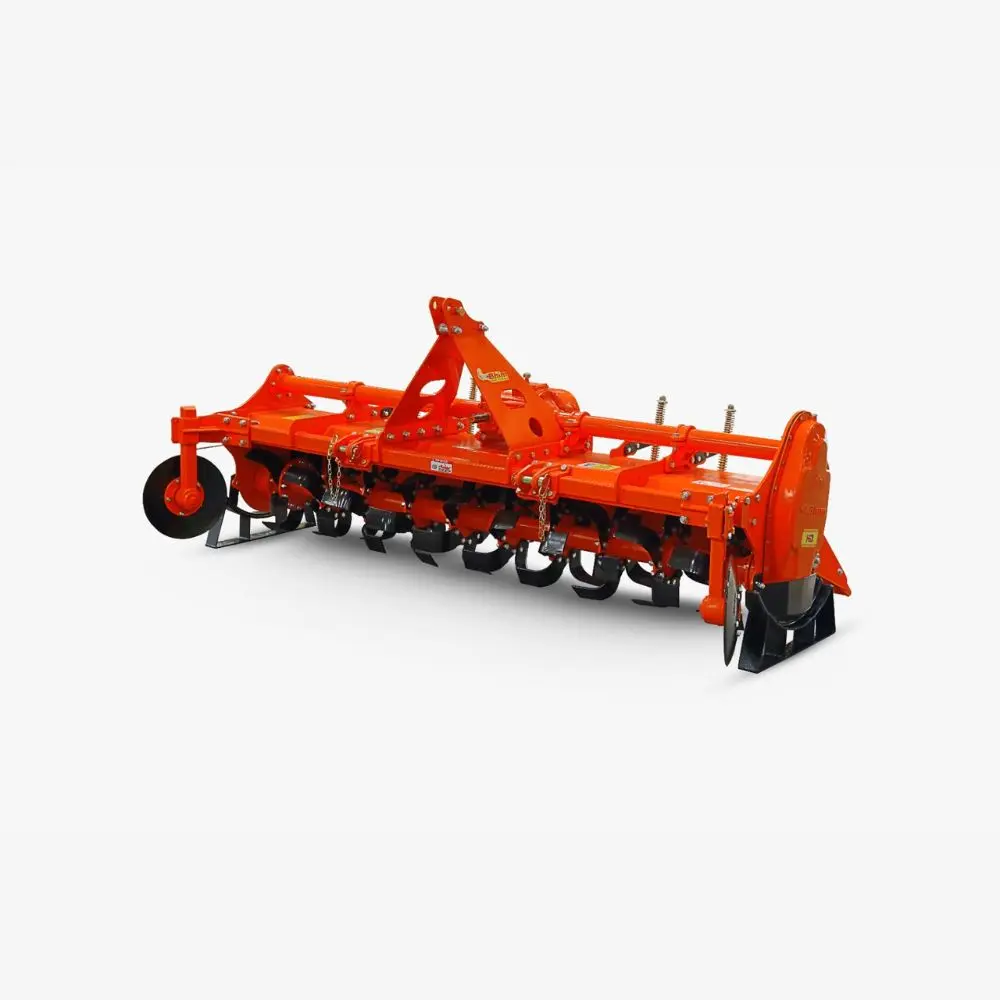
Hand hoes remain the most common land preparation tool across Uganda, but they limit how much ground you can cover in a day. A single farmer with a hand hoe typically manages about 0.1 acres per day. Compare that with a brush cutter from Jamalitech, which can clear overgrown land at five to ten times that rate. For beginners working with limited capital, starting with a reliable brush cutter and upgrading to a power tiller as revenue grows is a proven strategy.
The soil types around Kampala and central Uganda are generally favorable for mechanized preparation. The red laterite soils in Wakiso respond well to basic tillage, while the sandy loam soils in Mukono are easy to work with even entry-level equipment. Understanding your soil type helps you avoid purchasing machinery that is either too powerful or too weak for your conditions.
Recommended Starter Tools for Land Preparation
Begin with a quality brush cutter for clearing, a set of hand tools for detail work, and consider renting a power tiller for your first season rather than purchasing one outright. Many equipment dealers in Kampala, including Jamalitech, offer rental arrangements that let you test machinery before committing to a purchase.
Crop Care and Spraying Equipment for Beginners
Protecting your crops from pests and diseases is non-negotiable, and a knapsack sprayer is the single most important crop care investment for any beginner farmer. Proper spraying technique combined with quality equipment reduces chemical waste by up to 40% and improves crop health dramatically.
In Uganda, common crop threats include fall armyworm on maize, aphids on beans, and various fungal infections on tomatoes and other vegetables. A reliable knapsack sprayer allows you to apply pesticides, herbicides, and foliar feeds efficiently. Manual knapsack sprayers are the most affordable option for beginners, typically ranging from UGX 80,000 to UGX 250,000 depending on tank capacity and build quality.
For young farmers entering agriculture through government-supported programs, investing in a quality sprayer rather than the cheapest available option pays dividends. Cheap sprayers leak, clog, and distribute chemicals unevenly, leading to crop damage and wasted inputs. The sprayers available at Jamalitech’s agricultural machinery section are selected specifically for durability under Ugandan field conditions.
Spraying Best Practices for First-Time Farmers
Always spray early in the morning or late in the afternoon when wind is minimal. Calibrate your sprayer before each use by measuring output over a known area. Wear protective equipment including gloves, a mask, and long sleeves. These simple practices reduce chemical exposure and improve application effectiveness significantly.
Water Management: Pumps and Irrigation Basics
Water availability determines whether your farm produces one season or two per year, and affordable water pumps make irrigation accessible even for small-scale beginners. Farmers near water sources in Mukono, Jinja, and around Lake Victoria can dramatically increase yields with basic pump-fed irrigation.
Uganda receives adequate rainfall in most regions, but the distribution is uneven. Dry spells during critical growth stages can devastate crops. A basic water pump connected to a simple furrow or drip irrigation system transforms a rain-dependent farm into a year-round operation. Entry-level water pumps suitable for small plots start from approximately UGX 350,000 and can irrigate up to two acres depending on water source distance.
For vegetable farming around Kampala, where market prices peak during dry seasons, having irrigation capability means you can sell when supply is low and prices are high. Many successful market gardeners in Wakiso credit their water pumps as the single investment that moved them from subsistence to commercial production.
Power and Energy Solutions for Farm Operations
Reliable power supply on the farm enables processing, lighting, and tool operation that would otherwise be impossible in rural Uganda. A properly sized generator bridges the gap between grid power availability and actual farm energy needs.
Many farming areas in Uganda experience inconsistent grid power or have no connection at all. A generator from Jamalitech provides the power needed for grain milling, water pumping, lighting for early morning harvests, and charging equipment batteries. For beginner farmers, a small portable generator in the 2-3 kVA range handles most basic farm tasks without excessive fuel costs.
Consider your power needs carefully before purchasing. A generator that is too large wastes fuel, while one that is too small cannot handle your equipment loads. The team at Jamalitech can help you calculate your actual power requirements based on the tools and machinery you plan to operate. Read more about why investing in agricultural machinery pays off in the long run.
Beginner Farmer Starter Kit: Equipment Comparison
This comparison table provides realistic pricing and priority rankings to help you plan your equipment purchases strategically. Focus on high-priority items first and add secondary equipment as your farm generates revenue.
| Equipment | Purpose | Entry-Level Price (UGX) | Skill Level Required | Maintenance Difficulty | First Purchase Priority |
|---|---|---|---|---|---|
| Knapsack Sprayer (16L) | Pest and disease control | 120,000 – 250,000 | Low | Easy | 1 – Critical |
| Brush Cutter | Land clearing and weed management | 450,000 – 900,000 | Low-Medium | Moderate | 2 – High |
| Water Pump (2-inch) | Irrigation and water transfer | 350,000 – 800,000 | Low | Easy | 3 – High |
| Hand Tools Set (hoes, pangas, rakes) | General farm work | 80,000 – 150,000 | None | Very Easy | 1 – Critical |
| Portable Generator (2 kVA) | Power supply for tools and lighting | 600,000 – 1,200,000 | Low | Moderate | 4 – Medium |
| Wheelbarrow | Transporting produce, soil, and inputs | 120,000 – 200,000 | None | Very Easy | 2 – High |
| Measuring Tape and Line | Plot layout and planting spacing | 15,000 – 30,000 | None | None | 1 – Critical |
| Protective Gear (boots, gloves, mask) | Personal safety during spraying and clearing | 60,000 – 120,000 | None | None | 1 – Critical |
Best Crops for Beginner Farmers in Uganda
Choosing the right crops as a beginner determines your cash flow timeline and learning curve. Short-cycle vegetables and staple grains offer the fastest returns with the lowest risk for new farmers.
Vegetables such as tomatoes, cabbages, and sukuma wiki (collard greens) mature in 60-90 days and have consistent demand in Kampala markets. Maize remains Uganda’s most widely grown crop and is relatively forgiving for beginners, maturing in approximately 90-120 days. Beans provide both food security and market income, with two possible harvests per year in most parts of central Uganda.
For farmers in Wakiso and Mukono targeting Kampala markets, high-value vegetables offer the best returns per acre. A quarter-acre plot of well-managed tomatoes can generate UGX 2-4 million per season, making it possible to recover your initial equipment investment within one or two cycles. The key is starting small, mastering your chosen crop, and scaling gradually with better equipment. Learn more about how agricultural mechanization is transforming farming in Uganda.
Where to Buy Farming Equipment in Kampala
Purchasing from established dealers ensures genuine products, warranty coverage, and technical support that street vendors cannot provide. Jamalitech in Kampala offers a comprehensive range of beginner-friendly farming equipment with expert guidance included.
The equipment market in Kampala can be overwhelming for first-time buyers. Vendors along Luwum Street and in Kikuubo offer lower prices but rarely provide warranties or after-sales support. When a brush cutter breaks down mid-season or a sprayer starts leaking, having a reliable dealer relationship becomes invaluable.
Contact Jamalitech for personalized advice on building your starter equipment package. Our team understands the specific challenges facing beginner farmers in different regions of Uganda and can recommend equipment combinations that match your budget, plot size, and target crops. We offer competitive pricing, genuine products, and countrywide delivery to ensure you start your farming journey on the right foundation.
Maintenance Tips to Protect Your Equipment Investment
Proper maintenance extends equipment lifespan by 3-5 years and prevents costly breakdowns during critical farming periods. Simple habits like cleaning after use, proper storage, and regular oil changes make the difference between equipment that lasts and equipment that fails.
After each use, clean all soil, plant material, and chemical residue from your equipment. Store machinery under cover, away from rain and direct sunlight. For engine-powered tools like brush cutters, generators, and water pumps, follow the manufacturer’s oil change schedule strictly. Keep spare parts such as spark plugs, filters, and cutting blades in stock so you can perform quick repairs without downtime.
Many equipment failures that new farmers blame on product quality are actually caused by neglected maintenance. A brush cutter operated without regular air filter cleaning will lose power and eventually seize. A water pump run without checking oil levels will overheat and crack. These are preventable failures that cost far more to repair than the few minutes of maintenance required to avoid them.
Financial Planning for Your First Farm Season
Smart budgeting separates farmers who survive their first year from those who abandon the venture. Allocate no more than 40% of your startup capital to equipment, reserving the rest for inputs, labor, and contingencies.
A common mistake among beginner farmers in Uganda is spending all available capital on equipment and leaving nothing for seeds, fertilizer, pesticides, and labor. A realistic starter budget for a one-acre vegetable farm around Kampala should include: equipment (UGX 800,000-1,500,000), seeds and seedlings (UGX 100,000-300,000), fertilizer and chemicals (UGX 200,000-400,000), casual labor (UGX 300,000-500,000), and a contingency reserve (UGX 200,000-400,000).
Government programs for young farmers can subsidize some of these costs. The Uganda Youth Fund, Parish Development Model, and various NGO programs in Wakiso, Mukono, and greater Kampala provide grants, low-interest loans, and equipment subsidies specifically targeting agricultural enterprises. Research available programs in your district before making purchases, as you may qualify for support that significantly reduces your out-of-pocket costs.
Contact Jamalitech for Reliable Power Equipment
Office Address: Kampala, Uganda
Phone / WhatsApp: +256 742 264 753
Email: info@jamalitech.com
Website: https://jamalitech.com/
Business Hours:
Mon – Fri: 8:00 AM – 6:00 PM
Sat: 9:00 AM – 4:00 PM
Our Guarantees
- Competitive Pricing: Get the best quotes on generators, water pumps, and machinery.
- Countrywide Delivery: Fast dispatch within Kampala and secure shipping to upcountry regions including Jinja, Mbarara, Gulu, and Mbale.
- Reliability: Genuine equipment built to withstand tough working conditions.