
Why Water Pumps Are Essential on Kampala Construction Sites
Water management is one of the most critical and often underestimated challenges on construction sites in Kampala, where heavy rainfall, high water tables, and poor drainage create constant dewatering demands. The right water pump can mean the difference between staying on schedule and losing weeks to flooded excavations and waterlogged foundations. With Kampala’s rainy seasons growing increasingly unpredictable, every serious contractor needs reliable pumping equipment as part of their standard site setup.
Construction projects across Kampala face water challenges at every stage. Foundation excavations fill with groundwater, rainstorms flood open trenches, and concrete mixing requires reliable water supply. Road construction projects — including the ongoing infrastructure improvements in greater Kampala — need pumps for both dewatering and dust suppression. Understanding which pump types suit which applications helps contractors avoid costly rental expenses and project delays.
This guide covers the best water pumps for construction applications in Kampala, with detailed specifications, pricing, and practical recommendations based on real-world construction conditions in Uganda. Whether you need a clean water pump for concrete mixing or a trash pump for muddy excavation dewatering, Jamalitech offers the right equipment for your project.
Understanding Construction Pump Types
Construction water pumps fall into several categories, each engineered for specific applications ranging from clean water transfer to handling heavily contaminated water with solid debris. Choosing the wrong pump type for your application leads to rapid wear, inadequate performance, and premature failure. Kampala contractors must match pump capabilities to the specific water conditions on their sites.
The three primary categories relevant to construction are centrifugal clean water pumps, semi-trash pumps, and full trash pumps. Clean water pumps, including gasoline water pumps, are designed for transferring water without significant solid content — ideal for concrete mixing supply, water tank filling, and irrigation on landscaping phases of construction. Semi-trash pumps handle water containing sand, small gravel, and organic debris common in rainwater runoff on construction sites.
Full trash pumps are the heavy-duty workhorses of construction dewatering. These pumps can handle water containing mud, stones up to 25-30mm diameter, and other debris found in flooded excavations. For Kampala’s challenging construction conditions, where rainy season downpours can fill a foundation excavation overnight, a reliable trash pump is not optional — it is essential. Diesel water pumps offer the durability and fuel efficiency needed for extended dewatering operations.
Dewatering Solutions for Foundation Work
Foundation construction in Kampala frequently encounters high water table conditions, particularly in low-lying areas and during the rainy seasons from March to May and September to November. Effective dewatering protects concrete quality, prevents soil instability, and keeps excavations safe for workers. A comprehensive dewatering plan should be part of every foundation project in Kampala.
When excavating for building foundations in Kampala, contractors often hit water at surprisingly shallow depths. Areas near wetlands, the shores of Lake Victoria, and low-lying zones throughout the city have water tables that can be within 1-3 metres of the surface. Without adequate pumping, this water seeps into excavations continuously, undermining soil stability and making it impossible to place reinforcement or pour concrete.
For foundation dewatering, the pump selection depends on the water volume and soil type. Sandy soils with high permeability require pumps with higher flow rates, as water infiltration is rapid. Clay soils hold water but release it slowly, allowing lower-capacity pumps to maintain dry conditions. Most foundation projects in Kampala benefit from having at least two pumps on site — a primary dewatering pump and a backup unit — to ensure continuous operation during critical concrete pours.
Pumps for Road Construction Projects
Road construction projects across Kampala and greater Uganda require specialized pumping solutions for trench dewatering, stormwater management, and material processing. These projects often cover large areas with multiple active dewatering points, demanding pumps that are both powerful and portable. The scale of current infrastructure development in Uganda makes construction pumps a high-demand equipment category.
Kampala’s ongoing road improvement projects, including upgrades to major arterial routes and the development of new access roads for expanding residential areas, create enormous demand for construction pumps. Road construction involves excavating drainage channels, installing culverts, and maintaining dry working conditions across long stretches of roadway. Portable, self-priming pumps that can be quickly moved from one location to another are the most practical choice for these applications.
Trailer-mounted pump sets offer the ideal combination of power and mobility for road construction. These units can be towed between dewatering points as the construction front advances, eliminating the need for multiple stationary pumps. For contractors involved in major infrastructure projects, investing in trailer-mounted diesel pump sets provides long-term value. Pair these with a reliable generator for sites without fuel supply infrastructure, and explore complementary power tools for the complete construction equipment package.
Construction Pump Comparison: Specifications and Pricing
The following table compares the main categories of construction water pumps available in Kampala, with specifications and pricing relevant to Ugandan contractors in 2026. Use this comparison to identify the pump type that best matches your specific construction application.
| Pump Type | Flow Rate (L/min) | Max Head (m) | Solids Handling | Fuel Type | Portability | Price Range (UGX) | Best Construction Use |
|---|---|---|---|---|---|---|---|
| Centrifugal Clean Water (2-inch) | 350 – 500 | 25 – 30 | None (clean water only) | Gasoline | Highly portable (15-25 kg) | 450,000 – 900,000 | Concrete mixing supply, water tank filling |
| Centrifugal Clean Water (3-inch) | 600 – 1,000 | 25 – 32 | Particles up to 5mm | Gasoline | Portable (25-40 kg) | 750,000 – 1,500,000 | Large-volume water transfer, dust suppression |
| Semi-Trash Pump (3-inch) | 800 – 1,200 | 22 – 28 | Sand, gravel up to 10mm | Gasoline / Diesel | Moderate (35-55 kg) | 1,200,000 – 2,500,000 | Rainwater removal, shallow trench dewatering |
| Full Trash Pump (3-inch) | 700 – 1,000 | 20 – 26 | Mud, stones up to 25mm | Gasoline / Diesel | Moderate (40-60 kg) | 1,800,000 – 3,500,000 | Excavation dewatering, muddy water removal |
| Full Trash Pump (4-inch) | 1,200 – 1,800 | 22 – 28 | Mud, stones up to 30mm | Diesel | Heavy (60-90 kg) | 3,000,000 – 5,500,000 | Large excavation dewatering, flood response |
| Diaphragm Pump | 100 – 250 | 15 – 20 | Heavy mud, clay slurry | Diesel / Electric | Moderate (45-70 kg) | 2,500,000 – 4,500,000 | Deep foundation dewatering, thick slurry |
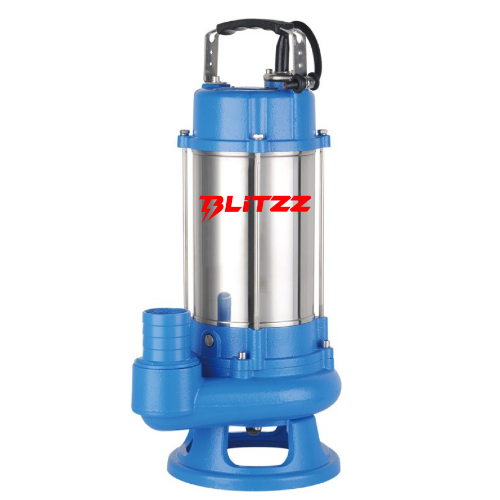
| Submersible Electric Pump | 400 – 800 | 15 – 25 | Sand, small stones up to 15mm | Electric (needs generator) | Compact, placed in water | 800,000 – 2,200,000 | Sump dewatering, confined space pumping |
| Trailer-Mounted Diesel Pump Set | 2,000 – 5,000 | 30 – 45 | Mud, stones up to 35mm | Diesel | Towable, requires vehicle | 8,000,000 – 18,000,000 | Road construction, large-scale dewatering |
Gasoline vs Diesel Pumps for Construction
The choice between gasoline and diesel-powered water pumps depends on operating duration, fuel costs, and the specific demands of your construction project. Diesel pumps cost more upfront but deliver significant savings on large projects where continuous operation is required. For Kampala contractors managing multiple sites, standardizing on one fuel type simplifies logistics considerably.
Gasoline water pumps are lighter, less expensive to purchase, and easier to start in cold conditions. They are the practical choice for intermittent use — clearing rainwater after storms, supplying water for concrete mixing, and handling short-duration dewatering tasks. Most gasoline pumps in the 2-3 inch range are highly portable, allowing a single worker to transport and set them up quickly.
Diesel water pumps excel in applications requiring extended continuous operation. Foundation dewatering on large building projects may require pumps to run 10-16 hours daily for weeks at a time. In these scenarios, diesel engines deliver 30-40% better fuel economy, have longer service intervals, and provide greater durability under sustained loads. For major road construction projects and large commercial building sites in Kampala, diesel pumps are the professional standard.
Managing Rainy Season Challenges on Kampala Sites
Kampala’s bimodal rainfall pattern creates two critical periods each year when construction sites face severe flooding risks, and preparation is the key to minimizing disruption. Contractors who invest in proper pumping equipment before the rains begin maintain project schedules while competitors lose weeks to waterlogged sites.
The primary rainy season from March to May and the secondary season from September to November bring intense rainfall that overwhelms site drainage and fills excavations rapidly. A single heavy downpour can deposit 50-80mm of rain in a few hours, flooding foundation excavations, collapsing trench walls, and turning access roads into impassable mud. Having pumps on site and ready to deploy before these events occur is essential for maintaining construction schedules.
Develop a site-specific water management plan that identifies where water will accumulate, the volumes likely to require pumping, and the pump capacity needed to achieve acceptable drainage rates. Position pumps at the lowest points of excavations with discharge hoses routed to appropriate drainage points. For large sites, consider installing temporary sumps — small pits dug below the main excavation level — where water collects for efficient pump extraction. This proactive approach is far more effective than reactive pumping after flooding has already disrupted work. Visit our water pump guide for detailed advice on selecting the right equipment.
Pump Maintenance for Construction Environments
Construction sites subject water pumps to the harshest operating conditions imaginable, with dirty water, abrasive sediments, and irregular usage patterns all accelerating wear. A disciplined maintenance program is essential for keeping pumps reliable throughout long construction projects.
After each use, flush the pump with clean water to remove sediment from the impeller, volute, and seals. Abrasive particles left inside the pump between uses cause accelerated wear on mechanical seals and impeller surfaces, leading to reduced performance and eventual failure. For trash pumps used in muddy excavation dewatering, this post-use flush is particularly important, as clay particles can dry and harden inside the pump housing.
Engine maintenance follows standard small engine protocols: regular oil changes (every 50-100 operating hours for gasoline engines, 100-200 hours for diesel), air filter cleaning and replacement, and spark plug or injector inspection. On dusty construction sites, air filter maintenance intervals should be shortened significantly. Keep a stock of consumable parts — filters, spark plugs, mechanical seals, and impeller gaskets — on site to enable rapid repairs without waiting for parts delivery. For construction-related equipment including agricultural machinery and pumps, Jamalitech at jamalitech.com provides genuine spare parts and maintenance support.
Choosing the Right Pump for Your Kampala Project
Selecting the optimal water pump requires matching the pump’s capabilities to your specific site conditions, including water type, required flow rate, total dynamic head, and operating duration. Oversizing wastes fuel and capital, while undersizing leads to inadequate dewatering and project delays.
Start by assessing the worst-case water volume you need to handle. For foundation dewatering, this means estimating groundwater infiltration rates plus rainfall accumulation during heavy storms. For concrete mixing supply, calculate the daily water consumption based on your planned concrete volumes. Add a safety margin of 20-30% to account for unexpected conditions, and select a pump that can deliver this flow rate at the required discharge head.
Consider the total dynamic head (TDH) requirement, which includes the vertical lift from the water surface to the discharge point plus friction losses in the discharge hose. Many contractors underestimate friction losses, especially when using long hose runs or undersized hose diameters. A pump rated for 25 metres of head may only deliver 15-18 metres of effective head when pushing water through 50 metres of hose with multiple bends. Consult with the equipment specialists at Jamalitech to ensure your pump selection matches your actual site requirements.
Contact Jamalitech for Reliable Power Equipment
Office Address: Kampala, Uganda
Phone / WhatsApp: +256 742 264 753
Email: info@jamalitech.com
Website: https://jamalitech.com/
Business Hours:
Mon – Fri: 8:00 AM – 6:00 PM
Sat: 9:00 AM – 4:00 PM
Our Guarantees
- Competitive Pricing: Get the best quotes on generators, water pumps, and machinery.
- Countrywide Delivery: Fast dispatch within Kampala and secure shipping to upcountry regions including Jinja, Mbarara, Gulu, and Mbale.
- Reliability: Genuine equipment built to withstand tough working conditions.