
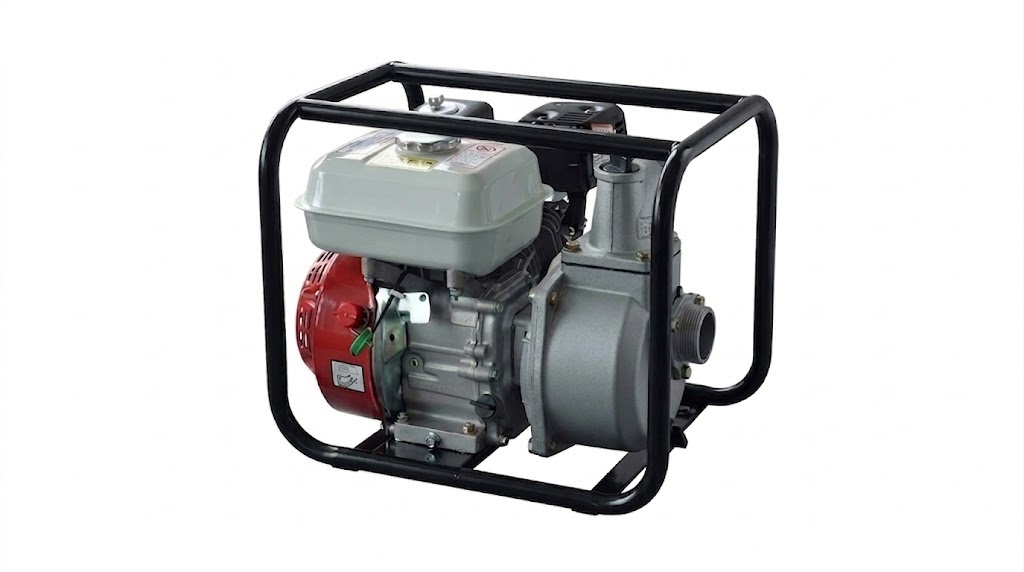
Water Pump Installation Guide for Beginners: Water Pump Installation Uganda
Water pump installation Uganda is a critical process for ensuring consistent water supply in homes, farms, and industries. A properly installed pump improves efficiency, durability, and compliance with UNBS standards. This comprehensive guide provides step-by-step instructions, technical insights, and regional considerations for Uganda and the East African Community (EAC).
Why Proper Water Pump Installation Matters in Uganda
Proper water pump installation in Uganda ensures maximum efficiency, reduces mechanical failures, and guarantees UNBS compliance. Regional factors such as high-altitude areas (e.g., Kapchorwa) and wet-season flooding can affect pump performance if installation is incorrect.
Key benefits:
- Prevents mechanical breakdowns and cavitation
- Reduces energy and fuel consumption
- Enhances water flow consistency for irrigation, domestic, and industrial applications
- Maintains safety and regulatory compliance
Explore our range of UNBS-certified Water Pumps for reliable, locally tested performance.
Step 1: Prepare Your Installation Site
Site preparation ensures stable, flood-free placement for optimal pump performance. A well-prepared site minimizes vibration, prevents backflow, and protects equipment during Uganda’s wet season.
Site Preparation Checklist:
- Select a level, elevated area to avoid flooding
- Clear debris and vegetation to maintain suction line efficiency
- Ensure adequate drainage channels for heavy rainfall
- Provide enough space for maintenance access and ventilation
For off-grid setups, pair your pump with Domestic Generators for uninterrupted operation.
Step 2: Install a Strong and Level Base
A solid, leveled foundation prevents vibration, reduces wear, and ensures precise pump alignment, especially in Uganda’s clay-heavy or uneven soils.
Base Installation Tips:
- Use vibration-dampening concrete or steel mounts
- Ensure the pump sits perfectly horizontal to avoid cavitation
- Anchor the pump securely with bolts for stability
Step 3: Connect Suction and Discharge Piping
Proper piping setup maintains water flow, reduces energy losses, and prevents backflow during Uganda’s rainy season.
Technical Considerations:
- Use UNBS-approved PVC or HDPE pipes
- Correct pipe diameters for suction and discharge are critical
- Install inline and check valves to prevent backflow
- Secure joints with hose clamps or gaskets to avoid leaks
For high-capacity systems, consider pairing with Industrial Generators for uninterrupted pump operation.
Step 4: Electrical and Power Connections
Proper electrical or fuel connections are essential for safe, reliable operation. Incorrect wiring or fuel setup can damage pumps or cause downtime.
Electrical & Power Guidelines:
- Ensure voltage and current match pump specifications
- Proper grounding and insulation are mandatory
- For diesel or petrol pumps, check fuel lines and engine condition
- Use circuit breakers and surge protection for electrical pumps
Check our range of Diesel Engines for reliable power backup.
Step 5: Prime, Test, and Maintain Your Pump
Priming and testing guarantee optimal water flow, while regular maintenance ensures long-term efficiency and durability in Uganda’s climate.
Priming and Testing Steps:
- Fill the pump and suction line with water
- Remove air pockets using manual or automatic priming
- Run the pump without load for 5–10 minutes
- Gradually open discharge valves and monitor flow rate
- Check for unusual noise or vibration
Maintenance Recommendations:
- Clean strainers weekly during wet seasons
- Lubricate bearings every 50–100 hours
- Inspect electrical connections and fuel lines monthly
- Replace worn gaskets, seals, or valves as needed
For detailed guidance, see our full Water Pump Maintenance Guide.
Choosing the Right Water Pump in Uganda
Selecting the right pump depends on flow rate, head height, power source, and water quality, ensuring long-term reliability and efficiency.
Pump Selection Criteria:
- Centrifugal pumps: Best for irrigation during wet seasons
- Submersible pumps: Ideal for deep boreholes and high-altitude regions
- Flow Rate (m³/h): Match to domestic, farm, or industrial demand
- Max Head (m): Consider lift, friction losses, and altitude derating
- Power Source: Electric, diesel, or solar – pair with backup Generators
- Water Quality: Use reinforced impellers for silty or sandy water
- Seasonal Adaptation: Wet season increases friction; proper priming is essential
Common Water Pump Issues in Uganda
- Low Flow Rate: Check suction filters, inline valves, and pipe diameter
- Pump Overheating (Diesel): Inspect air filters, fuel quality, and engine load
- Electrical Pumps Tripping: Verify voltage, insulation, and breaker rating
- Noise/Vibration: Ensure leveling and inspect impeller for debris
Regional Operational Considerations
- Wet Season (Mar–May, Sep–Nov): Use inline and check valves to prevent backflow
- Dry Season (Dec–Feb, Jun–Aug): Risk of cavitation increases; always prime pumps
- High-Altitude Areas: Slight derating expected in Kapchorwa, Mbale
- Regulatory Compliance: Ensure UNBS or equivalent EAC standards are met
Related Equipment
- Diesel Engines
- Industrial Generators
- Brush Cutters
- Full range of Water Pumps
FAQ – Water Pump Installation Uganda
Q1: How deep should a submersible pump be installed?
- A: Typically 30–60 meters depending on the water table.
Q2: Can diesel pumps operate safely during floods?
- A: Yes, if installed on elevated bases with inline valves.
Q3: How often should pumps be serviced?
- A: Clean strainers weekly, lubricate bearings every 50–100 hours, inspect electricals monthly.
Q4: Are UNBS-certified pumps mandatory in Uganda?
- A: Yes, for safety, reliability, and regulatory compliance.
Need Reliable Power Equipment?
Contact Jamali Tech for competitive pricing on industrial-grade generators, heavy-duty water pumps, and agricultural machinery.
- Email: info@jamalitech.com
- Phone: +256 742 264 753
- Office: Kampala, Uganda
- Hours: Mon – Fri: 8:00 AM – 6:00 PM
- Get a Free Quote: Contact Jamali Tech via our main website
Regional Delivery Guarantee: Serving Mbarara, Gulu, Jinja, with cross-border logistics to Kigali, Nairobi, and Juba.