
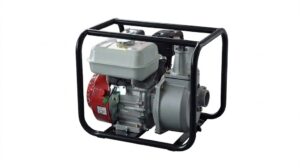
Water management is critical for Uganda’s agricultural, industrial, and residential sectors. Selecting the right water pumps in Uganda ensures efficient irrigation, construction operations, and domestic water supply. In East African climates, pump performance is affected by seasonal rainfall, elevation, and water quality, making local knowledge essential.
At Jamali Tech, we provide industrial-grade water pumps in Uganda that are UNBS certified, designed to perform under the diverse East African terrain. This guide provides a technical, step-by-step approach for choosing the optimal diesel water pumps Uganda or electric water pumps Uganda.
Types of Water Pumps and Their Applications
Water pumps in Uganda include centrifugal, submersible, and diesel-driven models. Choosing the right pump depends on water source, flow rate, and elevation.
1. Centrifugal Pumps
- Ideal for high-capacity irrigation pumps Uganda and low-head water transfer.
- Operates efficiently with clean or lightly sedimented water.
- Regional note: In high-altitude areas like Kapchorwa, centrifugal pumps may experience derated output by up to 10% due to lower air density.
2. Submersible Pumps
- Best for submersible pumps Uganda applications such as deep wells and boreholes.
- Can handle moderate debris but require careful maintenance to avoid clogging.
- Prevents suction cavitation during Uganda’s wet season.
3. Diesel Engine Pumps
- High-capacity pumps for construction and irrigation in rural areas.
- Can operate independently of electricity, critical for rural water pump applications Uganda.
- Must comply with UNBS diesel water pump standards.
Explore our full range of water pumps in Uganda and diesel engines for industrial applications.
Key Specifications to Consider
When selecting water pumps in Uganda, evaluate engine type, power output, flow rate, maximum head, and durability under local climatic conditions.
| Specification | Importance | Jamali Tech Recommendation |
|---|---|---|
| Engine Type | Determines fuel efficiency & maintenance | Diesel or electric, UNBS-certified |
| Power Output (kW/kVA) | Impacts maximum water delivery | 5–50 kVA for industrial pumps |
| Flow Rate (L/min) | Volume of water per time | 500–5000 L/min depending on irrigation or construction need |
| Max Head (m) | Vertical water lift capacity | 15–60 m depending on source elevation |
| Fuel Tank Capacity | Operational hours without refueling | 10–100 L diesel, regionally optimized |
| Material Durability | Corrosion and abrasion resistance | Stainless steel or cast iron for wet-season operation |
| Portability | Ease of transport | Wheeled or trailer-mounted for rural farms |
Detailed specs and additional guidance are available on our industrial generators page.
Matching Pumps to Use Cases in Uganda
Choosing a water pump in Uganda depends on the application: irrigation, construction, or domestic water supply. Water quality, terrain, and climate impact pump performance.
Irrigation
- Recommendation: Diesel-driven centrifugal pumps for high-capacity irrigation pumps Uganda.
- Regional Insight: During the wet season, rivers carry more sediment → robust impellers are essential.
- Example product: High-capacity centrifugal water pumps.
Construction & Civil Works
- Recommendation: Submersible or self-priming diesel pumps for construction water pump applications Uganda.
- Key Factor: Suction lift capability for dewatering sites in Kampala or Jinja construction zones.
Domestic Water Supply
- Recommendation: Electric centrifugal pumps for wells or storage tanks.
- Operational Note: Must consider voltage stability; often paired with backup domestic generators.
Evaluating Pump Performance in Local Conditions
Pump performance in Uganda is affected by elevation, temperature, seasonal rainfall, and water quality. Proper sizing and maintenance are critical.
Environmental Factors
- Elevation:
- Pumps in Kapchorwa or Mbale may lose 5–10% efficiency due to altitude.
- Temperature:
- Diesel pumps must maintain optimal cooling in Uganda’s hot lowlands.
- Seasonal Water Variability:
- Wet season: higher sediment → choose abrasion-resistant diesel water pumps Uganda.
- Dry season: low water levels → avoid running submersible pumps dry.
Compliance & Safety
- All pumps must comply with UNBS 693:2012 standards.
- Electric pumps must meet IEC 60335 safety requirements.
Learn more about water pump maintenance Uganda on our services page.
Step-by-Step Guide to Selecting a Pump
Define water source, calculate flow & head, select engine type, verify compliance, and match materials to local conditions.
Step 1: Identify Water Source
- Borehole, river, pond, or municipal supply.
- Measure depth and water quality.
Step 2: Calculate Required Flow Rate & Head
- Flow rate (L/min) = Volume ÷ Time.
- Head (m) = Vertical lift + friction losses in pipes.
Step 3: Determine Engine Type
- Electric for stable grid areas (e.g., Kampala, Jinja).
- Diesel for rural farms, irrigation, and construction.
Step 4: Evaluate Material & Durability
- Stainless steel for acidic soils.
- Cast iron for abrasive sediments.
Step 5: Verify Compliance & Warranty
- Ensure UNBS certified water pumps.
- Check local spare parts availability.
Compare our diesel engines and water pumps for optimal pairings.
Maintenance Best Practices
Regular inspection, cleaning, and lubrication maximize water pump efficiency and lifespan under Ugandan operating conditions.
- Clean strainers weekly during wet season.
- Inspect seals and impellers for wear.
- Check fuel quality in diesel pumps to prevent engine fouling.
- Ensure electric pumps have stable voltage and protective switches.
Detailed instructions are on our services page.
Regional Considerations for Uganda & East Africa
Pump selection must consider Uganda’s terrain, seasonal water variability, and East African standards.
- Urban Areas (Kampala, Jinja): Electric pumps preferred.
- Rural Irrigation (Mbarara, Lira): Diesel pumps ensure grid independence.
- Cross-Border Supply: Must meet EAC harmonized standards.
See our projects in manufacturing for case studies.
Common Pitfalls When Choosing a Water Pump
Avoid undersized pumps, ignoring seasonal water conditions, and non-compliant equipment.
- Oversized pumps → higher fuel consumption and wear.
- Poor water quality → rapid impeller corrosion.
- Non-UNBS pumps → warranty and safety risks.
Check compatible brush cutters and pressure washers for integrated farm or industrial setups.
Budgeting and Total Cost of Ownership
Consider initial cost, fuel consumption, maintenance, and lifespan when budgeting for water pumps in Uganda.
- Diesel pumps: Higher upfront cost, lower operating cost in rural areas.
- Electric pumps: Lower initial cost but dependent on grid reliability.
- Include costs for spare parts, installation, and seasonal adjustments.
Get a free quote via our contact page.
Conclusion
Selecting the right water pumps in Uganda requires a detailed understanding of application, terrain, climate, and compliance. Jamali Tech provides certified, durable pumps optimized for East African conditions.
By following this guide, facility managers, site foremen, and agribusiness owners can maximize efficiency, minimize downtime, and ensure long-term reliability.
Need Reliable Power Equipment?
Contact Jamali Tech for competitive pricing on industrial-grade generators, heavy-duty water pumps, and agricultural machinery.
- Email: info@jamalitech.com
- Phone: +256 742 264 753
- Office: Kampala, Uganda
- Hours: Mon – Fri: 8:00 AM – 6:00 PM
- Get a Free Quote: https://jamalitech.com/contact/
Regional Delivery Guarantee: Fast, reliable dispatch from Kampala. Serving Mbarara, Gulu, Jinja, and cross-border logistics to Kigali.