Top Agricultural Machinery Every Farmer Needs in Uganda
Agricultural machinery Uganda is transforming farming practices by improving efficiency, reducing manual labor, and increasing crop yields. Selecting the right machinery ensures compliance with the Uganda National Bureau of Standards (UNBS) while optimizing farm productivity in East Africa’s diverse terrains. This guide highlights essential equipment, technical considerations, and regional insights for Ugandan farmers.
Why Agricultural Machinery Uganda Is Critical for Farmers
Agricultural machinery Uganda enables farmers to maximize productivity, reduce labor costs, and operate efficiently across varied terrains, from the highlands of Kapchorwa to the wetlands of Jinja. Using UNBS-approved equipment ensures safety, durability, and reliable performance.
Key benefits:
- Increased efficiency for planting, harvesting, and irrigation
- Reduced dependence on manual labor
- Improved crop quality and yield
- Compliance with local regulations for commercial farming
Explore our full range of Agricultural Machinery for UNBS-certified equipment.
Essential Agricultural Machinery for Uganda
1. Rotary Cultivators
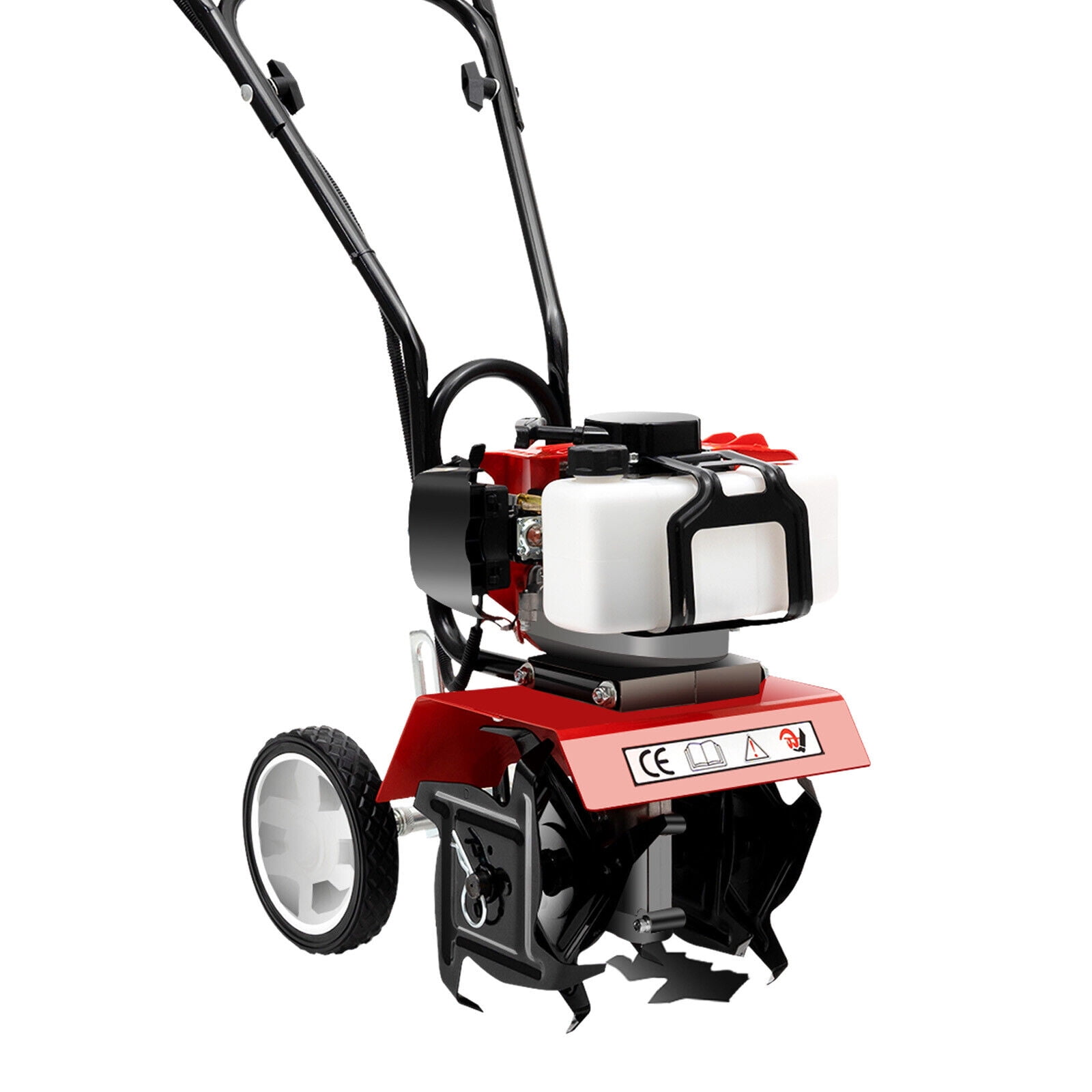
Rotary cultivators are vital for soil preparation, especially in hilly or clay-heavy regions of Uganda. They break up compacted soil and mix nutrients efficiently.
Key Features:
- Engine-powered, 5–10 HP
- Working width: 60–120 cm
- Adjustable depth for different crops
- Durable steel tines suitable for rocky soils
Ideal for maize, beans, and horticultural crops. Learn more about our Rotary Cultivators.
2. Brush Cutters
Brush cutters help clear farmland, control weeds, and maintain plantations. UNBS-certified brush cutters are built for high-volume and dense vegetation typical in Uganda’s wet regions.
Technical Considerations:
- Engine: 2-stroke or 4-stroke, 25–35 cc
- Cutting width: 20–25 cm
- Suitable for grass, shrubs, and small trees
Check our full selection of Brush Cutters for Uganda.
3. Hedge Trimmers and Chainsaws
Hedge trimmers and chainsaws are essential for managing farm boundaries, hedges, and tree pruning. Proper usage ensures safety and precision, especially in rural Ugandan farms.
Key Features:
- Hedge trimmer blade length: 60–90 cm
- Chainsaw bar length: 35–50 cm
- Engine power: 1.2–2.5 kW
- Lightweight design for easy maneuvering
Explore our Hedge Trimmers and Chainsaws.
4. Lawn Mowers
Lawn mowers are useful for managing farm gardens, research plots, and horticultural nurseries. Proper selection reduces fuel costs and maintenance in Ugandan conditions.
Technical Notes:
- Engine: 3–5 HP
- Cutting width: 40–60 cm
- Adjustable cutting height for different terrains
View our range of Lawn Mowers.
5. Power Sprayers and Mist Dusters
Power sprayers and mist dusters are critical for pest and disease control, ensuring optimal crop health. Equipment performance varies based on Uganda’s wet and dry seasons.
Key Specs:
- Sprayer capacity: 15–25 L
- Flow rate: 0.5–1.0 L/min
- Compatible with liquid fertilizers and pesticides
- Electric or gasoline-powered
See options for Power Sprayers and Mist Dusters.
6. Knapsack Sprayers
Knapsack sprayers offer portability for small farms or uneven terrains, allowing targeted pesticide application in Uganda’s hilly regions.
Technical Details:
- Tank capacity: 15–20 L
- Pump type: Manual or battery-operated
- Lightweight frame for easy mobility
Check out Knapsack Sprayers.
7. Vibrators for Harvesting
Vibrators are critical for tree crop harvesting, such as coffee and cocoa. They increase efficiency while reducing crop loss in Uganda’s coffee regions.
Features:
- Engine: 1–2 HP
- Adjustable amplitude for delicate crops
- Battery or gasoline-powered options
Explore our Harvest Vibrators.
Choosing the Right Agricultural Machinery for Uganda
Selecting machinery for Uganda depends on farm size, soil type, crop variety, and local climate. UNBS certification ensures reliability and safety.
Considerations:
- Farm size: Small farms may rely on knapsack sprayers and manual rotary cultivators; commercial farms require industrial-grade engines
- Soil type: Clay-heavy or rocky soils need reinforced tines and robust frames
- Climate: Wet-season performance can be impacted by soil moisture; equipment must be rust-resistant
- Power source: Electric, gasoline, or diesel; for off-grid farms, combine with Diesel Engines
Maintenance Tips for Agricultural Machinery Uganda
- Clean tines, blades, and sprayer nozzles after each use
- Lubricate moving parts every 50–100 hours
- Inspect fuel lines, belts, and chains regularly
- Store in a covered area to protect from rain and humidity
- Replace worn parts with UNBS-certified components
Operational Considerations for Uganda and EAC
- High-altitude areas may require adjustments to engine power
- Wet-season use increases wear on cutting and plowing equipment
- Cross-border compliance: Ensure machinery meets UNBS-equivalent standards for Kenya, Rwanda, and South Sudan
FAQ – Agricultural Machinery Uganda
Q1: What is the best rotary cultivator for Ugandan clay soils?
- A: Heavy-duty 7–10 HP rotary cultivators with reinforced tines perform best.
Q2: Can brush cutters be used during rainy season?
- A: Yes, but ensure the engine is protected from water ingress.
Q3: Are knapsack sprayers efficient for hilly farms?
- A: Yes, their portability allows precise application on uneven terrains.
Q4: How often should I maintain my chainsaw and hedge trimmer?
- A: Weekly cleaning, monthly lubrication, and periodic blade sharpening.
Q5: Do UNBS standards apply to imported machinery in Uganda?
- A: Yes, all equipment must meet UNBS or equivalent EAC standards.
Related Equipment
Need Reliable Agricultural Machinery?
Contact Jamali Tech for competitive pricing on industrial-grade and farm-ready machinery.
- Email: info@jamalitech.com
- Phone: +256 742 264 753
- Office: Kampala, Uganda
- Hours: Mon - Fri: 8:00 AM - 6:00 PM
- Get a Free Quote: Contact Jamali Tech via our main website
Regional Delivery Guarantee: Fast dispatch from Kampala to Mbarara, Gulu, Jinja, with cross-border logistics to Kigali, Nairobi, and Juba.
Ready to spec your equipment?
Tell us your job and we’ll come back with a sized quote, delivery window and warranty terms.