Solar vs diesel water pumps is a critical comparison for Ugandan farmers because irrigation costs directly determine farm profitability, water reliability, and long-term operational sustainability. Solar pumps reduce fuel dependency, while diesel pumps offer higher immediate flexibility and power output.
In Uganda’s agricultural economy, irrigation is increasingly essential due to climate variability, irregular rainfall, and expanding commercial farming. Farmers must choose between solar-powered systems and diesel-driven pumps depending on land size, capital availability, and long-term cost strategy.
Jamali Tech supports irrigation modernization through equipment listed under Water Pumps category and broader agricultural systems available on the Shop page. For structured procurement, farmers can also use the Request a Quote page.
What solar pumps are and how they work in Uganda
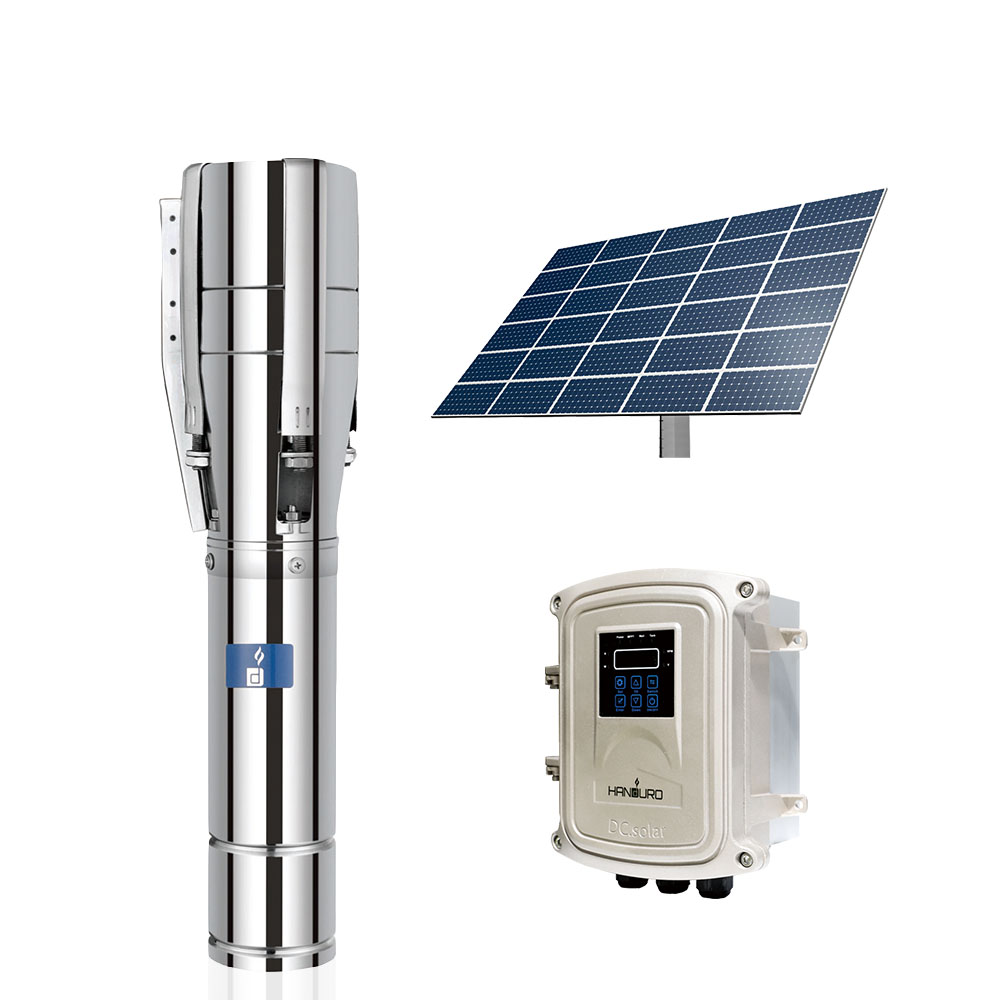
Solar pumps in Uganda are irrigation systems powered by photovoltaic panels that convert sunlight into electrical energy to run water pumping systems without fuel consumption. They are increasingly popular due to low operating costs and sustainability benefits.
Solar pumps draw water from boreholes, rivers, or reservoirs and are especially effective in regions with consistent sunlight exposure such as northern and eastern Uganda. They reduce dependency on diesel fuel and eliminate recurring fuel costs.
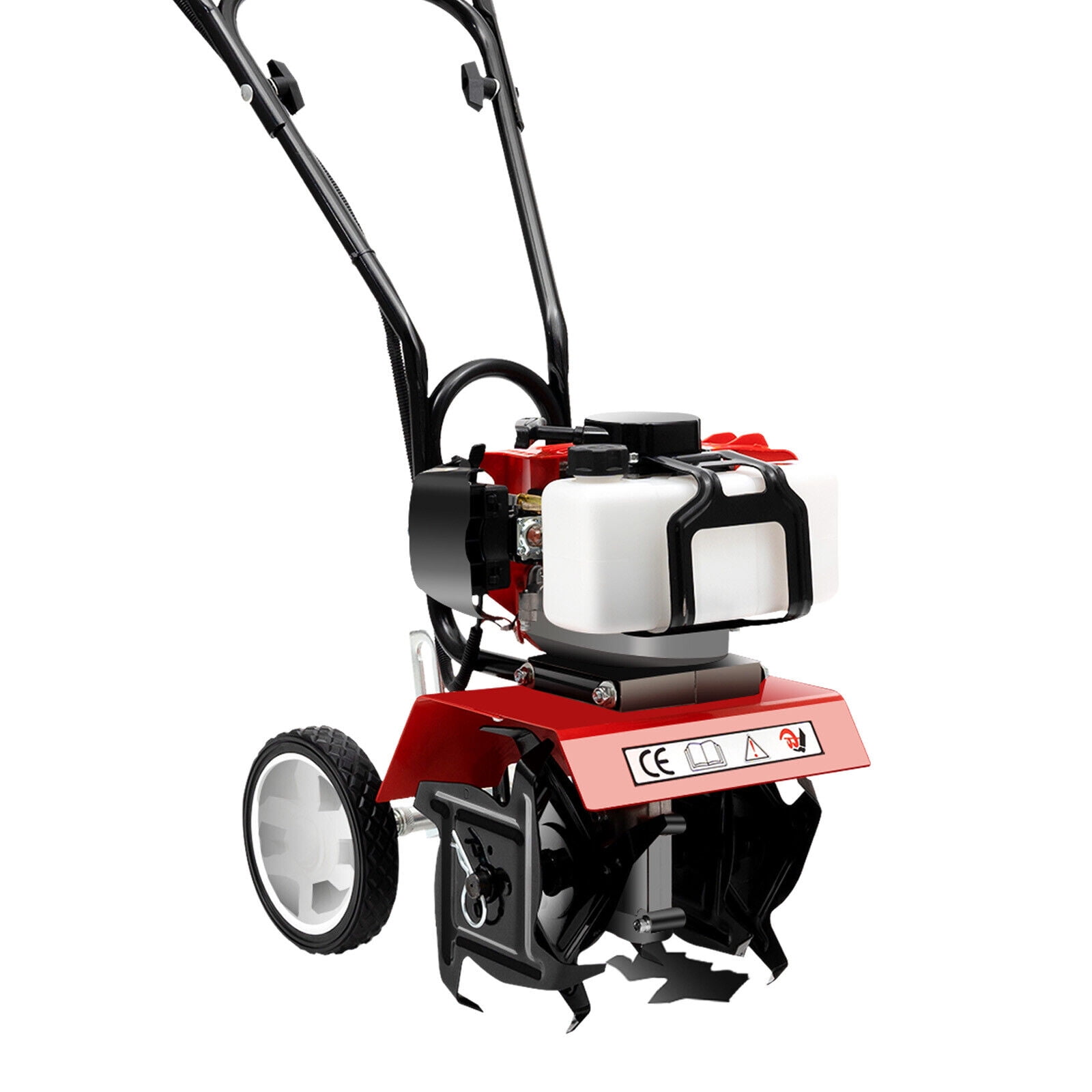
Farmers often combine solar irrigation systems with tools like Rotary Cultivators and Brush Cutters to maximize farm productivity.
How diesel water pumps operate in irrigation systems
Diesel water pumps in Uganda are engine-driven irrigation systems that use diesel combustion to generate mechanical energy for water pumping. They are known for high power output and reliability in large-scale irrigation operations.
Unlike solar systems, diesel pumps operate independently of weather conditions and can run continuously as long as fuel is available. This makes them suitable for commercial farms requiring high-volume irrigation.
Diesel systems are often powered by engines similar to those found in Diesel Engines Uganda and are widely used in large-scale vegetable and rice farming.
Solar vs diesel water pumps: full technical comparison
The solar vs diesel water pumps comparison in Uganda depends on cost structure, energy source availability, maintenance requirements, and long-term irrigation efficiency. Each system offers distinct advantages depending on farm size and budget.
Technical comparison table
| Feature | Solar Pumps Uganda | Diesel Pumps |
|---|---|---|
| Energy Source | Solar panels | Diesel fuel |
| Operating Cost | Very low | High recurring fuel cost |
| Initial Cost | High | Medium |
| Maintenance | Low | Moderate to high |
| Runtime | Daylight dependent | 24/7 operation possible |
| Power Output | Moderate | High |
| Environmental Impact | Zero emissions | Carbon emissions |
Solar pumps are increasingly preferred in Uganda due to rising fuel costs and government promotion of renewable energy systems.
Cost analysis: solar vs diesel irrigation systems in Uganda
Solar vs diesel water pumps differ significantly in cost structure, where solar systems require higher upfront investment but deliver long-term savings, while diesel pumps are cheaper initially but expensive to operate over time.
Cost breakdown factors:
- Initial purchase cost
- Fuel or energy cost over time
- Maintenance and repairs
- Lifespan of equipment
- Labor requirements
In Uganda, diesel irrigation systems often become more expensive over a 3–5 year period due to fuel price fluctuations. Solar systems, while costly initially, eliminate fuel dependency entirely.
Farmers using diesel systems often rely on supporting equipment such as Gasoline Water Pumps for smaller irrigation needs.
Water availability and performance in Ugandan farming conditions
Solar vs diesel water pumps perform differently depending on Uganda’s climate conditions, including rainfall variability, sunlight exposure, and seasonal irrigation demands.
In central and eastern Uganda:
- Solar pumps perform efficiently due to strong sunlight
- Diesel pumps provide backup during cloudy seasons
In western Uganda:
- Higher rainfall reduces irrigation dependency
- Diesel pumps provide flexible operation during unpredictable weather
Both systems must be matched with farm irrigation demand cycles for optimal efficiency.
Technical specifications of irrigation water pumps
Water pumps used in Uganda’s irrigation systems are designed with different capacities, flow rates, and engine types depending on whether they are solar or diesel powered.
Diesel water pump specifications
| Specification | Range | Function |
|---|---|---|
| Engine Type | 4-stroke diesel | High torque operation |
| Flow Rate | 20–200 m³/hr | Large-scale irrigation |
| Head Range | 10–100 meters | Vertical water lift |
| Fuel Tank | 3L–15L | Continuous operation |
| Runtime | 6–12 hours | Fuel dependent |
Solar water pump specifications
| Specification | Range | Function |
|---|---|---|
| Power Source | Solar PV panels | Renewable energy |
| Flow Rate | 10–150 m³/hr | Medium irrigation scale |
| Battery Backup | Optional | Night operation support |
| Lifespan | 10–20 years | Long-term use |
| Maintenance | Low | Minimal servicing |
Supporting irrigation tools include High Pressure Cleaning Machines for system maintenance and cleaning.
Environmental impact of solar vs diesel irrigation
Solar vs diesel water pumps differ significantly in environmental impact, with solar systems offering zero emissions and diesel systems contributing to carbon output and air pollution.
Solar irrigation systems:
- Zero fuel emissions
- Sustainable energy source
- Reduced environmental footprint
Diesel irrigation systems:
- CO₂ emissions
- Noise pollution
- Fuel transport dependency
Uganda’s shift toward sustainable agriculture is increasingly encouraging solar adoption.
Economic impact and ROI comparison
Solar vs diesel water pumps show different return-on-investment (ROI) timelines, with solar systems offering higher long-term ROI due to zero fuel costs, while diesel systems provide faster initial deployment but higher long-term expenditure.
ROI insights:
- Solar pumps: break-even in 2–4 years
- Diesel pumps: ongoing operational cost burden
- Hybrid systems: balanced performance model
Farmers integrating irrigation systems with tools like Knapsack Sprayers and Mist Dusters achieve higher agricultural productivity.
Buying guide: choosing between solar and diesel pumps in Uganda
Selecting between solar vs diesel water pumps depends on farm size, irrigation frequency, capital budget, and long-term energy strategy.
Key decision factors of Solar pumps
- Availability of sunlight
- Fuel accessibility and cost
- Farm size and water demand
- Maintenance capacity
- Expansion plans
Farmers can explore irrigation solutions under Diesel Water Pumps Uganda or browse the full Water Pumps category.
For expert consultation, use the Contact page.
Conclusion: solar vs diesel water pumps in Uganda
Solar vs diesel water pumps in Uganda is ultimately a trade-off between upfront investment and long-term operational cost. Solar pumps offer sustainability and long-term savings, while diesel pumps provide immediate power and flexibility for large-scale irrigation.
For most modern Ugandan farmers, solar pumps represent the future of irrigation, while diesel systems remain essential for high-demand commercial operations.
Need Reliable Power Equipment?
Contact Jamali Tech for competitive pricing on industrial-grade generators, heavy-duty water pumps, and agricultural machinery.
• Email: info@jamalitech.com
• Phone: +256 742 264 753
• Office: Kampala, Uganda
• Hours: Mon - Fri: 8:00 AM - 6:00 PM
• Get a Free Quote: /contact/
Regional Delivery Guarantee: Serving Mbarara, Jinja, Gulu, and cross-border logistics to Nairobi.
Ready to spec your equipment?
Tell us your job and we’ll come back with a sized quote, delivery window and warranty terms.