Why Do Lithium-Ion Batteries Degrade Faster in High Temperatures?
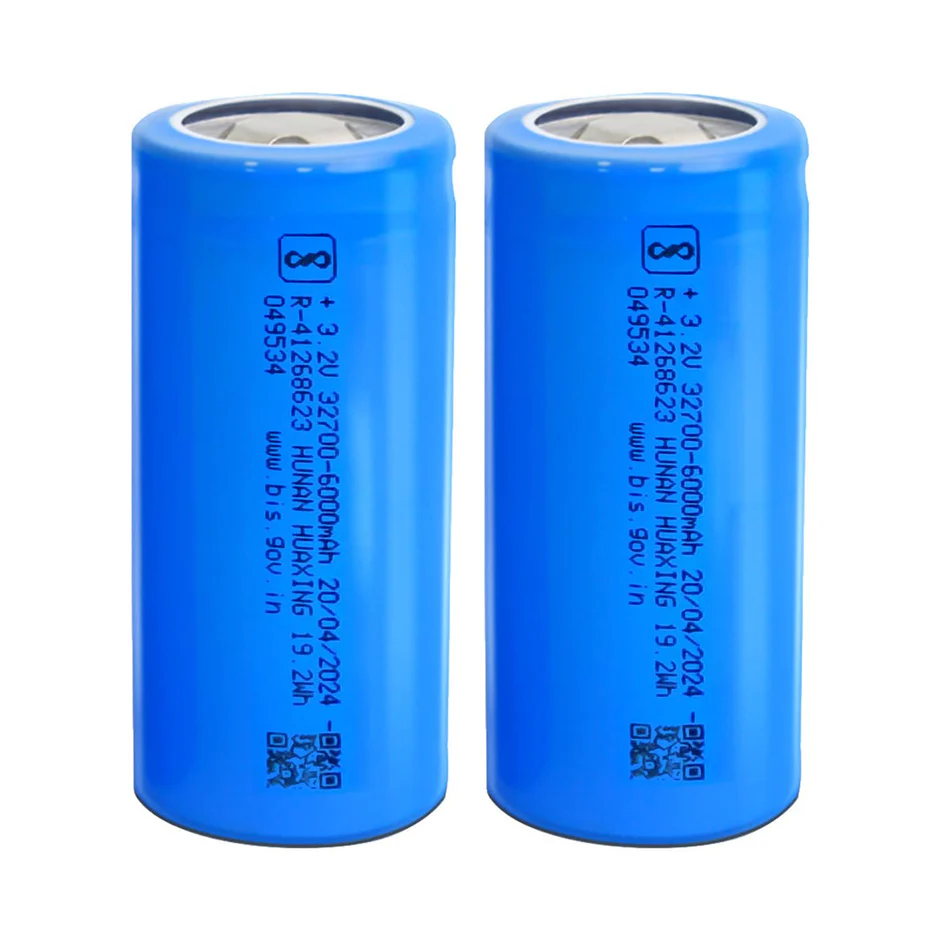
Lithium-ion batteries degrade faster in high temperatures because heat accelerates chemical reactions inside the cells, leading to capacity loss, reduced lifespan, and potential safety risks. In Uganda’s tropical climate, improper storage and charging can shorten battery life by up to 40%.
Lithium-ion (Li-ion) batteries are widely used in cordless tools due to their high energy density and rechargeability. However, they are highly sensitive to temperature fluctuations. In regions like Kampala, Gulu, and Arua where ambient temperatures can exceed 30°C, battery degradation becomes a critical operational concern.
Heat increases internal resistance and speeds up electrolyte breakdown, permanently reducing the battery’s ability to hold charge. This is especially problematic for professionals relying on cordless tools from the Power Tools category for daily operations.
What Is the Optimal Temperature Range for Lithium-Ion Batteries?
Lithium-ion batteries perform best between 15°C and 25°C, and exposure to temperatures above 30°C significantly accelerates wear and reduces cycle life.
Temperature Impact Breakdown:
- Below 0°C: Reduced performance, temporary capacity loss
- 15°C – 25°C: Optimal operating range
- 30°C – 40°C: Accelerated degradation begins
- Above 45°C: High risk of permanent damage
In Uganda, where daytime temperatures frequently exceed optimal levels, proactive thermal management is essential. Workshops and construction sites must account for environmental heat exposure when operating cordless tools such as Cordless Tools.
How Should You Store Lithium-Ion Batteries in Uganda’s Climate?
Store lithium-ion batteries in a cool, dry, and shaded environment at partial charge (40–60%) to minimize degradation and extend lifespan.
Storage Best Practices:
- Keep batteries away from direct sunlight
- Store in well-ventilated indoor spaces
- Avoid leaving batteries in vehicles or metal containers
- Maintain partial charge (not full or empty)
Regional Insight:
In areas like Jinja and Entebbe with high humidity, moisture control is equally important. Use sealed storage boxes with silica gel to prevent condensation damage.
For complete workshop setups, consider integrating storage systems with equipment from the Shop / All Products page.
How Should You Charge Lithium-Ion Batteries Safely in High Temperatures?
Charge lithium-ion batteries in cool environments, avoid overcharging, and never charge immediately after heavy use when the battery is still hot.
Charging Guidelines:
- Allow Cooling Before Charging
After heavy tool use, let the battery cool for 15–30 minutes. - Use Manufacturer-Approved Chargers
Prevent voltage irregularities and overheating. - Avoid Overnight Charging in Heat
Continuous charging in hot environments accelerates wear. - Charge in Ventilated Areas
Prevent heat buildup around the battery pack.
Power instability in Uganda can also affect charging efficiency. For consistent power supply, consider backup solutions like Gasoline Generators or Diesel Generators.
What Are the Signs of Heat-Damaged Lithium-Ion Batteries?
Common signs of heat damage include reduced runtime, swelling, overheating during use, and failure to hold charge.
Warning Indicators:
- Battery drains faster than usual
- Excessive heat during charging or operation
- Physical swelling or deformation
- Charger fails to complete charging cycle
If these signs appear, discontinue use immediately to avoid safety hazards.
What Technical Factors Affect Battery Lifespan?
Battery lifespan is influenced by charge cycles, depth of discharge, operating temperature, and charging practices.
Lithium-Ion Battery Specification Table
| Parameter | Standard Range | Impact on Performance |
|---|---|---|
| Operating Temperature | 15°C – 25°C | Optimal efficiency |
| Max Safe Temperature | 45°C | Beyond this causes damage |
| Charge Cycles | 300 – 1000 cycles | Determines lifespan |
| Depth of Discharge | 20% – 80% recommended | Extends battery life |
| Charging Voltage | 3.6V – 4.2V per cell | Overvoltage reduces lifespan |
Understanding these parameters is critical when selecting tools from the Power Tools category.
How Can You Extend Battery Life in Daily Operations?
Extend battery life by avoiding full discharges, minimizing heat exposure, and using proper charging cycles tailored to tropical conditions.
Operational Tips:
- Avoid draining batteries to 0%
- Use tools in shaded or indoor environments
- Rotate multiple batteries to reduce heat buildup
- Clean battery contacts regularly
For heavy-duty applications, consider alternating between cordless and fuel-powered tools like Gasoline Engines to reduce battery strain.
How Does Uganda’s Climate Specifically Impact Cordless Tools?
Uganda’s high temperatures, humidity, and dust exposure accelerate battery degradation and require stricter maintenance protocols compared to temperate regions.
Environmental Challenges:
- Heat: Accelerates chemical breakdown
- Humidity: Causes corrosion and internal damage
- Dust: Affects battery contacts and cooling
In agricultural regions like Masindi and Lira, dust accumulation is a major issue. Regular cleaning using equipment like Air Compressors helps maintain battery efficiency.
What Safety Precautions Should You Follow?
Always handle lithium-ion batteries with care, avoid physical damage, and store them away from flammable materials to prevent fire risks.
Safety Checklist:
- Never puncture or crush batteries
- Avoid exposure to water or extreme heat
- Use protective cases during transport
- Dispose of damaged batteries properly
For industrial environments, integrating safety practices with tools from the Power Tools section is essential.
When Should You Replace a Lithium-Ion Battery?
Replace lithium-ion batteries when capacity drops below 70%, charging becomes inconsistent, or physical damage is observed.
Replacement Indicators:
- Significant drop in runtime
- Frequent overheating
- Visible swelling or leakage
Timely replacement ensures uninterrupted operations, especially for professionals relying on cordless systems daily.
Where Can You Buy Reliable Cordless Tools and Accessories in Uganda?
You can source high-quality cordless tools and compatible battery systems from Jamali Tech through their online store or direct consultation services.
Start by exploring the Home page or reach out via the Contact page. For bulk or professional requirements, use the Request a Quote service.
Need Reliable Power Equipment?
Contact Jamali Tech for competitive pricing on industrial-grade generators, heavy-duty water pumps, and agricultural machinery.
• Email: info@jamalitech.com
• Phone: +256 742 264 753
• Office: Kampala, Uganda
• Hours: Mon - Fri: 8:00 AM - 6:00 PM
• Get a Free Quote: /quote/
Regional Delivery Guarantee: Fast, reliable dispatch from our Kampala headquarters. Serving major regions including Jinja, Mbarara, Gulu, and comprehensive cross-border logistics to Nairobi.
Ready to spec your equipment?
Tell us your job and we’ll come back with a sized quote, delivery window and warranty terms.