Role of Plate Compactors in Preventing Driveway Cracks | What are the Causes of Driveways Cracks in Uganda?
Driveway cracks in Uganda are mainly caused by poor soil compaction, weak sub-base preparation, water infiltration, and uneven load distribution, all of which can be prevented using proper compaction equipment.
In many construction projects across Kampala, Wakiso, and emerging towns, driveways and paved surfaces fail prematurely due to inadequate ground preparation. When the soil beneath paving stones or concrete is not properly compacted, it settles unevenly over time, leading to:
- Surface cracking
- Paver misalignment
- Water pooling and erosion
- Structural failure of driveways
This is why professional contractors rely on soil compaction tools before laying any pavement structure.
What Is a Plate Compactor?
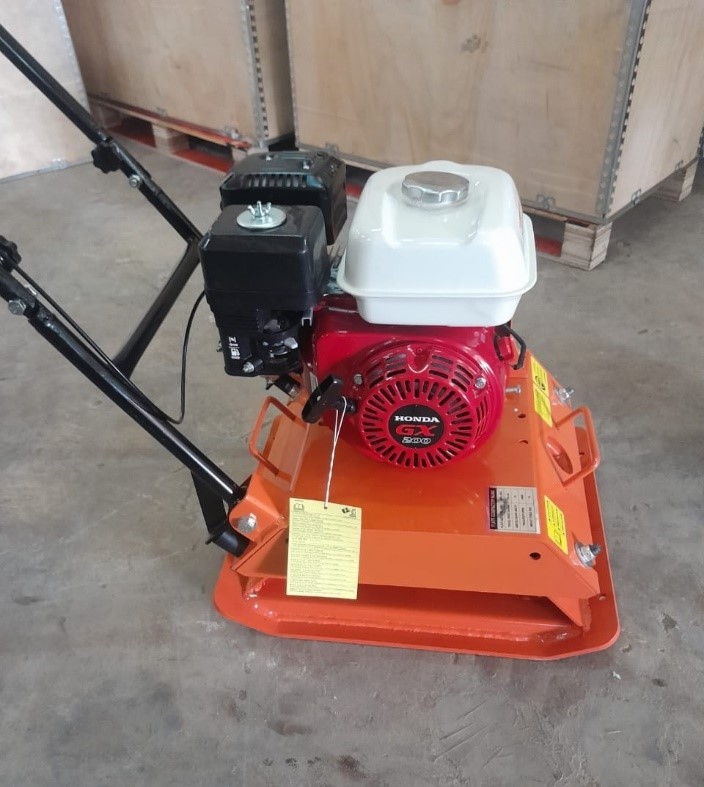
A plate compactor is a heavy-duty construction machine used to compress soil, gravel, and asphalt to create a stable and solid base for roads, driveways, and paving projects.


Key Features:
- Vibrating steel base plate
- Engine-driven compaction system
- Forward or reversible motion
- High-density soil compression
Advantages:
- Prevents surface cracking
- Improves load-bearing strength
- Ensures long-lasting pavements
- Reduces maintenance costs
How Does Soil Compaction Work?
Soil compaction works by reducing air gaps between soil particles using vibration and pressure, increasing density and stability to create a strong foundation for construction surfaces.
The process involves:
- Applying vibration force
- Pressing soil particles together
- Removing air pockets
- Increasing ground density
This ensures that paved surfaces remain stable even under heavy vehicle loads and weather changes.
Why Is Plate Compaction Important for Driveways?
Plate compaction is essential for driveways because it creates a stable foundation that prevents sinking, cracking, and uneven surface settlement over time.
Without proper compaction:
- Soil shifts under weight
- Water weakens the base layer
- Pavers become misaligned
- Concrete slabs crack prematurely
For contractors handling paving work, using equipment like High Pressure Cleaning Machines for surface preparation and Power Tools for finishing improves overall project quality.
Types of Plate Compactors Used in Construction
Different plate compactors are used depending on soil type, project size, and compaction depth requirements in road and paving projects.
1. Single Plate Compactors
- Best for small to medium projects
- Lightweight and easy to operate
- Used for residential driveways
2. Reversible Plate Compactors
- Moves forward and backward
- Higher compaction force
- Suitable for large roadworks
3. Heavy-Duty Industrial Compactors
- Used for highways and large infrastructure
- High vibration force
- Suitable for deep soil compaction
Technical Specifications of Plate Compactors
Plate compactors are defined by centrifugal force, engine type, plate size, and operating weight, which determine their compaction efficiency and suitability for different construction projects.
| Specification | Typical Range / Value | Importance |
|---|---|---|
| Engine Type | Petrol / Diesel | Power source |
| Centrifugal Force | 10kN – 30kN+ | Compaction strength |
| Plate Size | 300mm – 700mm | Coverage area |
| Operating Weight | 50kg – 200kg+ | Stability |
| Compaction Depth | 200mm – 500mm | Soil penetration |
| Travel Speed | 20 – 30 m/min | Efficiency |
Where Are Plate Compactors Used in Uganda?
Plate compactors are widely used in Uganda for road construction, driveway preparation, landscaping, and infrastructure development projects.
Common Applications:
- Driveway construction
- Road base preparation
- Pavement installation
- Landscaping and garden leveling
- Construction site foundations
They are especially important in urban development projects where long-term durability is required.
Plate Compactor vs Manual Compaction
Plate compactors are significantly more efficient than manual compaction methods, providing higher density, uniform results, and faster project completion.
| Feature | Plate Compactor | Manual Compaction |
|---|---|---|
| Efficiency | High | Low |
| Speed | Fast | Slow |
| Consistency | Uniform | Uneven |
| Labor Requirement | Low | High |
| Depth Control | Precise | Poor |
Common Mistakes in Soil Compaction
Improper compaction is a leading cause of driveway failure, often resulting from insufficient equipment use or incorrect soil preparation techniques.
Common Errors:
- Skipping base layer compaction
- Using wrong compactor type
- Compacting dry or overly wet soil
- Insufficient compaction passes
These mistakes lead to premature cracking and costly repairs.
How to Choose the Right Plate Compactor
Choosing the right plate compactor depends on soil type, project size, required compaction depth, and whether the work involves residential or industrial construction.
Selection Guide:
- Small driveway → Single plate compactor
- Medium construction → Reversible compactor
- Roadworks → Heavy-duty industrial model
- Consider engine power and vibration force
For professional support, visit Request a Quote or contact Contact Page.
Why Equipment Quality Matters in Road Construction
High-quality compaction equipment ensures stable foundations, reduces future repair costs, and improves the durability of driveways and road surfaces.
Low-quality equipment often results in:
- Uneven ground settlement
- Surface cracking
- Increased maintenance costs
- Short pavement lifespan
Reliable tools ensure long-term structural integrity.
Why Choose Jamali Tech for Construction Equipment?
Jamali Tech provides durable, industrial-grade construction equipment designed to improve efficiency, safety, and durability in Uganda’s road and building projects.
Advantages:
- Certified industrial machinery
- Reliable construction tools
- Wide product selection
- Regional delivery across East Africa
Learn more via About Us or explore insights on the Blog.
Final Thoughts
Plate compactors play a critical role in preventing driveway cracks by ensuring strong, stable, and well-compacted foundations for all paving and road construction projects in Uganda.
Proper compaction is not optional—it is the foundation of durable infrastructure.
Need Reliable Power Equipment?
Contact Jamali Tech for competitive pricing on industrial-grade generators, heavy-duty water pumps, and agricultural machinery.
• Email: info@jamalitech.com
• Phone: +256 742 264 753
• Office: Kampala, Uganda
• Hours: Mon - Fri: 8:00 AM - 6:00 PM
• Get a Free Quote: Request a Quote
Regional Delivery Guarantee: Fast, reliable dispatch from our Kampala headquarters. Serving major regions including Jinja, Mbarara, Gulu, and cross-border logistics to Nairobi.
Ready to spec your equipment?
Tell us your job and we’ll come back with a sized quote, delivery window and warranty terms.