The shift toward Eco-friendly machinery is reshaping industrial operations across Uganda and the wider East African region. Businesses are increasingly prioritizing fuel efficiency and modern engines to reduce operational costs, comply with environmental standards, and improve long-term equipment reliability.
In 2026, engine technology is no longer defined by raw power alone. Instead, it is defined by combustion precision, emissions control, and energy optimization. This transformation is particularly important in Uganda, where agriculture, construction, and transport industries rely heavily on fuel-driven machinery exposed to harsh climatic and operational conditions.
What Are Eco-Friendly Engines?
Eco-friendly machinery refers to engines designed with advanced combustion systems that reduce emissions while maximizing fuel efficiency. These engines minimize environmental impact by ensuring more complete fuel burning and lower pollutant output.
Modern engines achieve eco-efficiency through electronic fuel injection, emission sensors, and optimized air-fuel mixing systems. This makes them significantly cleaner and more cost-effective compared to traditional mechanical engines still found in older industrial setups.
Key technologies include:
- Electronic Fuel Injection (EFI)
- Catalytic emission control systems
- Turbocharged air optimization
- Real-time combustion monitoring
For businesses upgrading systems, Jamali Tech offers reliable solutions under its Generators Category and Power Tools.
Why Eco-Friendly Machinery Is Dominating 2026 Markets
Eco-friendly machinery is dominating the 2026 industrial market because it delivers lower fuel consumption, reduced emissions, and higher operational efficiency compared to older engine systems. This makes it the preferred choice for both government and private-sector projects.
In Uganda, rising fuel prices and stricter environmental expectations are forcing industries to adopt modern engines that balance performance with sustainability. These engines are also more reliable under continuous load conditions common in construction and agriculture.
Advantages include:
- Reduced fuel expenditure
- Lower carbon emissions
- Improved load handling efficiency
- Longer operational lifespan
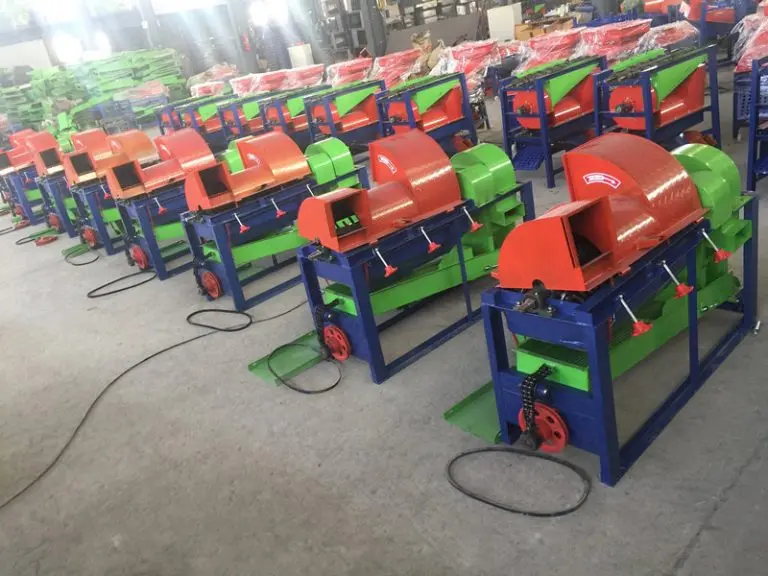
Businesses can explore compliant machinery through Agricultural Machinery Uganda.
Fuel Efficiency and Modern Engines in Real-World Conditions
Fuel efficiency and modern engines are closely linked through precision combustion systems that maximize energy output per liter of fuel consumed. This directly reduces operating costs in high-usage environments such as irrigation and industrial construction.
In Uganda’s varying terrain—from lowland farms to high-altitude regions like Kabale—modern engines automatically adjust fuel-air ratios to maintain efficiency and performance stability. This ensures consistent operation regardless of environmental conditions.
Fuel-saving mechanisms include:
- Smart fuel injection timing
- Load-sensitive engine mapping
- Reduced internal friction systems
- Adaptive throttle control
Operators can improve efficiency further by using Diesel Generators designed for optimized fuel consumption.
Regulatory Compliance for Eco-Friendly Machinery in Uganda
Eco-friendly machinery must comply with standards set by the Uganda National Bureau of Standards (UNBS), which regulates emissions, fuel efficiency, and mechanical safety for industrial equipment. Compliance ensures safe and sustainable operations.
These regulations are increasingly important for contractors bidding on infrastructure and government projects, where environmental compliance is now a mandatory requirement.
Key compliance areas:
- CO₂ emission limits
- Noise pollution control
- Fuel efficiency benchmarks
- Equipment safety certification
Relevant compliant equipment can be explored under Water Pumps Category.
Performance of Eco-Friendly Engines in East African Conditions
Eco-friendly machinery performs reliably in East African environments due to improved cooling systems, dust filtration, and adaptive combustion control systems designed for tropical climates.
In Uganda’s wet seasons and high-humidity environments, modern engines maintain stability through corrosion-resistant materials and sealed electronic components that protect internal systems.
Key environmental adaptations:
- High-dust air filtration systems
- Heat-resistant engine blocks
- Moisture-protected electronic modules
- Altitude compensation technology
Agricultural users benefit from Gasoline Water Pumps for reliable irrigation performance.
Technical Comparison: Eco-Friendly Engines vs Traditional Engines
Eco-friendly machinery outperforms traditional engines in fuel efficiency, emissions control, and maintenance requirements due to advanced electronic and combustion technologies.
Traditional engines rely on mechanical systems that lack precision, resulting in higher fuel waste and increased environmental pollution compared to modern alternatives.
Technical Comparison Table
| Feature | Eco-Friendly Engines | Traditional Engines |
|---|---|---|
| Fuel Efficiency | High optimization | Low efficiency |
| Emissions | Low CO₂ output | High emissions |
| Maintenance | Low frequency | High frequency |
| Power Stability | Consistent output | Fluctuating load |
| Engine Lifespan | Long-term durability | Shorter lifespan |
For full equipment access, visit Shop All Products.
Applications of Eco-Friendly Machinery
Eco-friendly machinery is widely used across agriculture, construction, and industrial sectors due to its efficiency, reliability, and reduced environmental impact.
These engines power essential systems such as irrigation pumps, construction mixers, and heavy-duty cutting tools used in daily industrial operations across Uganda.
Applications include:
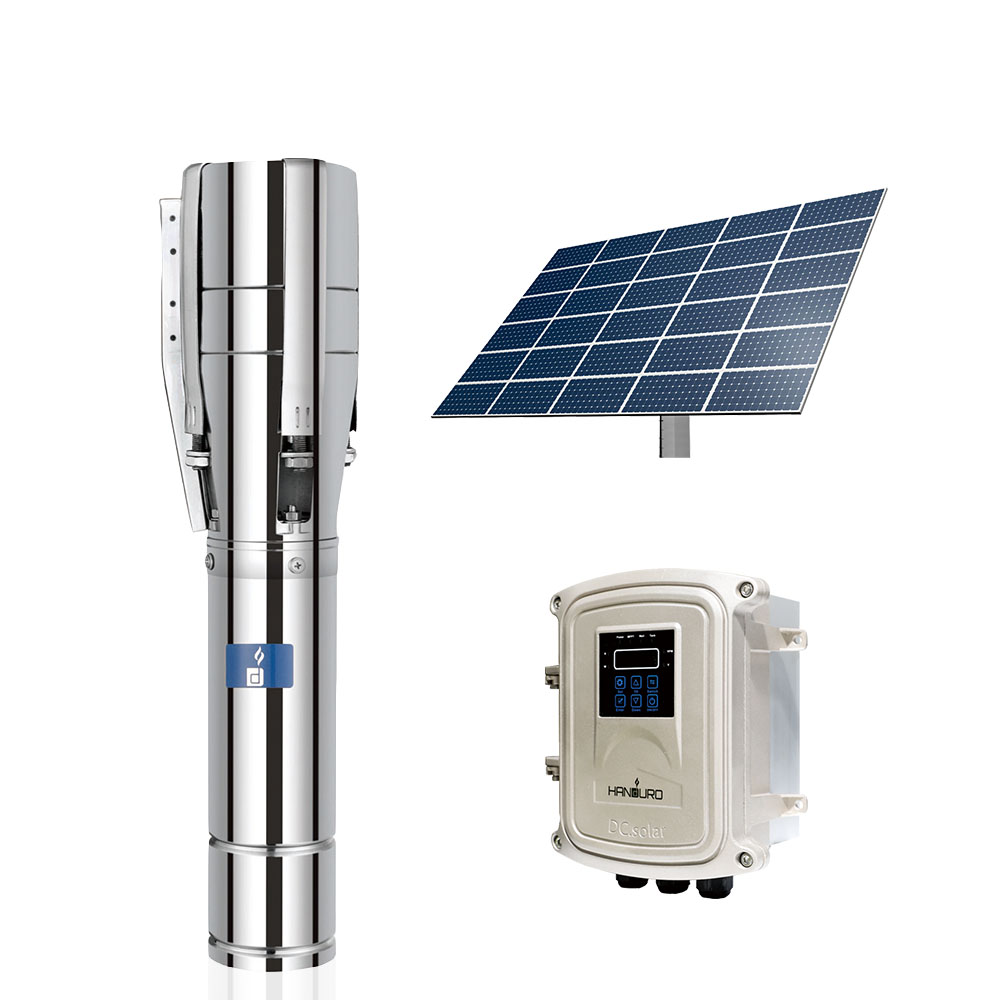
- Irrigation systems using Submersible Pumps
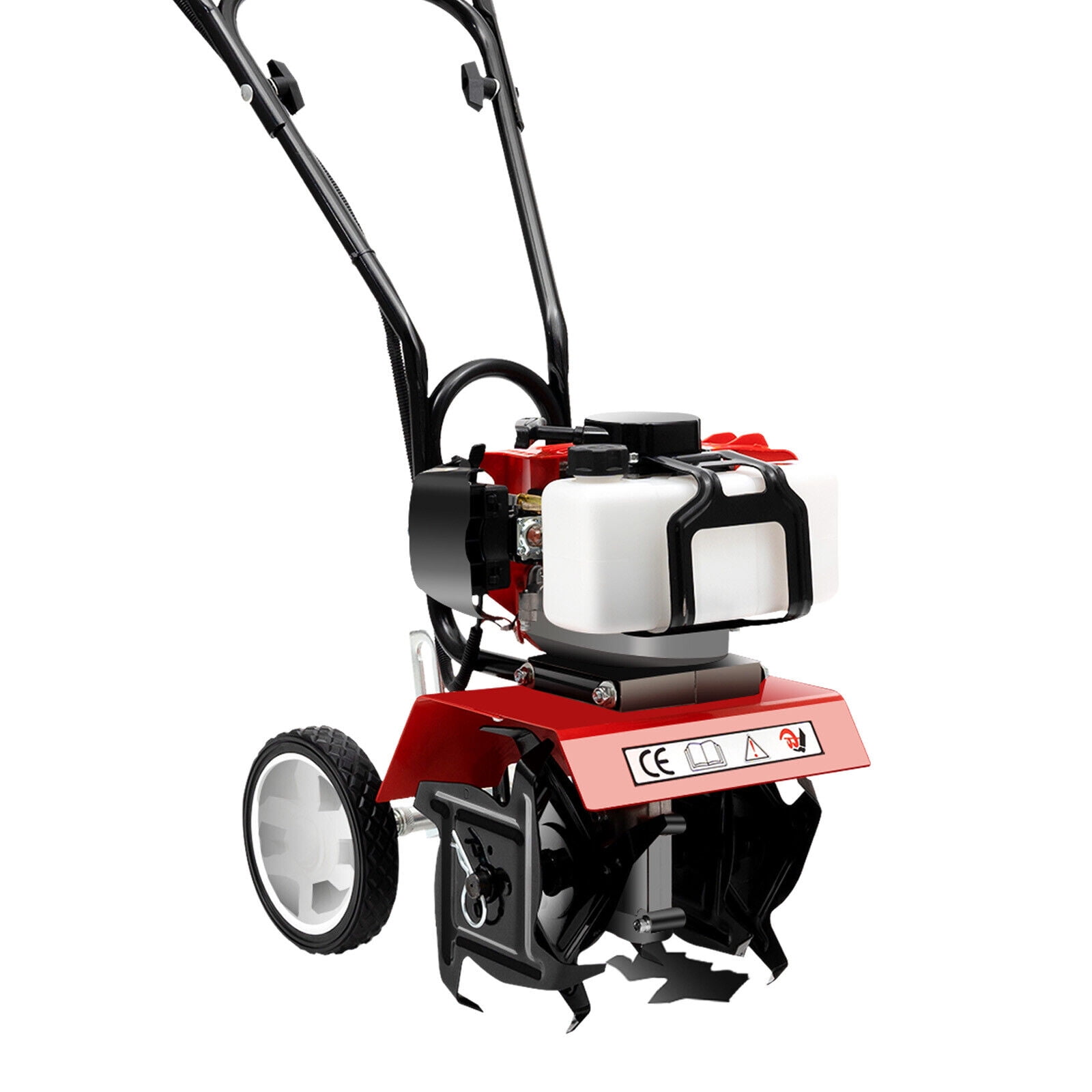
- Construction tools like Mixers
- Land clearing with Brush Cutters
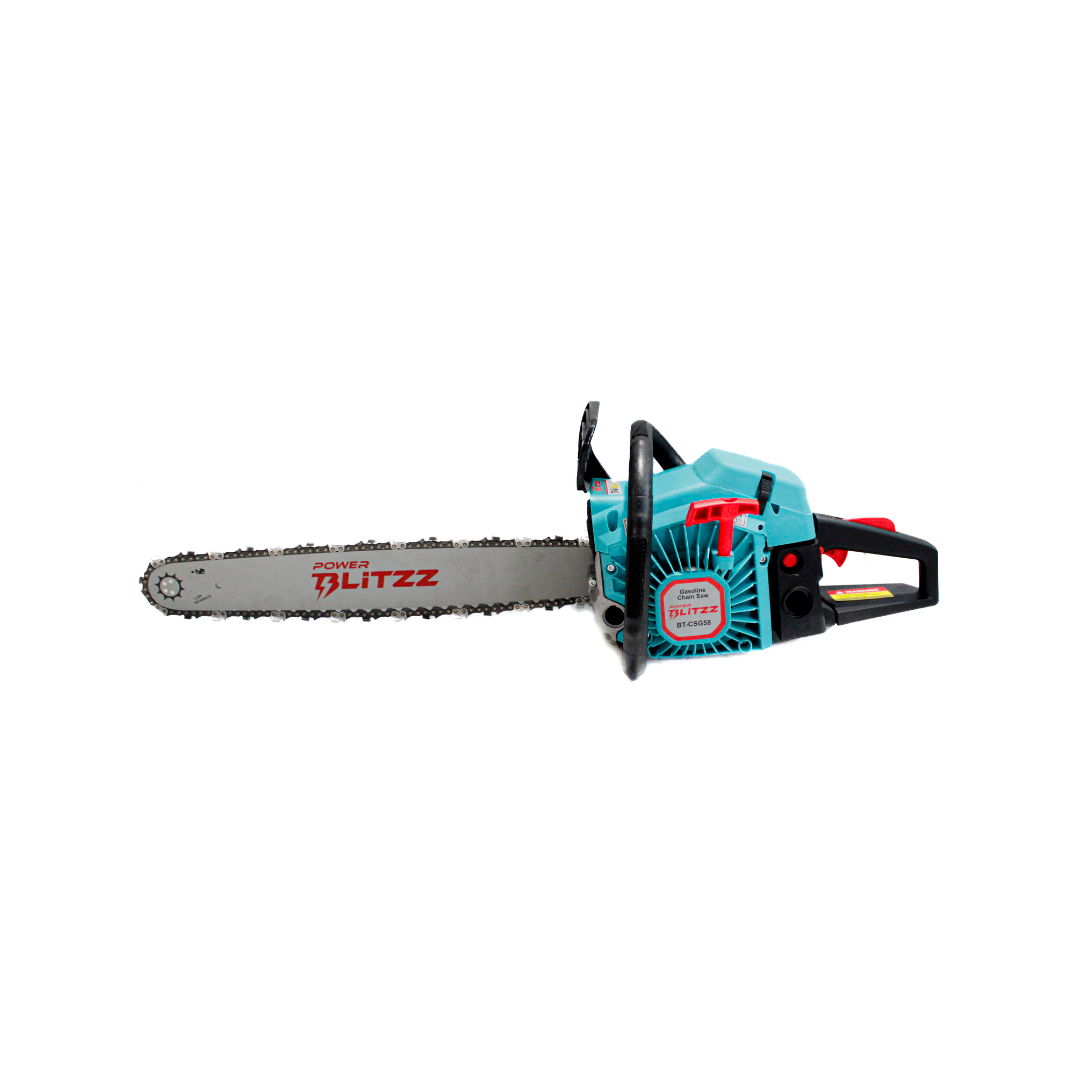
- Forestry work using Chainsaws
Maintenance Benefits of Eco-Friendly Machinery
Eco-friendly machinery requires less maintenance due to improved engineering design, reduced carbon buildup, and advanced self-regulating engine systems.
This reduces downtime and lowers lifecycle costs, making it ideal for businesses that rely on continuous operations in agriculture and construction.
Maintenance advantages:
- Extended service intervals
- Reduced oil contamination
- Lower engine wear rates
- Predictive maintenance capabilities
Support and servicing inquiries can be made via Contact Jamali Tech.
Choosing the Right Eco-Friendly Machinery
Selecting the right eco-friendly machinery depends on operational load, fuel type, and application environment. Proper selection ensures maximum efficiency and return on investment.
Jamali Tech provides structured product categories that help businesses select appropriate engines and equipment for specific industrial needs.
Key considerations:
- Engine capacity (HP/kVA)
- Fuel type compatibility
- Workload intensity
- Environmental exposure conditions
Explore options like Diesel Engines Uganda or Gasoline Engines Uganda.
Future of Eco-Friendly Machinery in Uganda and EAC
Eco-friendly machinery will continue evolving toward hybrid systems, AI-assisted engine control, and ultra-low emission combustion technologies that improve efficiency and reduce environmental impact.
East Africa’s industrial expansion will accelerate demand for smarter engines that integrate IoT monitoring and predictive maintenance systems for improved operational control.
Future trends:
- Hybrid fuel-electric systems
- AI-driven fuel optimization
- Smart diagnostic engines
- Ultra-low emission technologies
Eco-friendly machinery is no longer optional—it is the foundation of modern industrial efficiency in Uganda and the broader East African region. With improved fuel economy, reduced emissions, and superior durability, modern engines deliver unmatched long-term value for businesses across agriculture, construction, and industrial sectors.
Contact Jamali Tech for competitive pricing on industrial-grade generators, heavy-duty water pumps, and agricultural machinery.
• Email: info@jamalitech.com
• Phone: +256 742 264 753
• Office: Kampala, Uganda
• Hours: Mon - Fri: 8:00 AM - 6:00 PM
• Get a Free Quote: /quote/
Regional Delivery Guarantee: Fast, reliable dispatch from our Kampala headquarters. Serving major regions including Mbarara, Gulu, Jinja, and comprehensive cross-border logistics to Nairobi.
Ready to spec your equipment?
Tell us your job and we’ll come back with a sized quote, delivery window and warranty terms.