Why Are Counterfeit Power Tools a Serious Problem in Uganda?
Counterfeit power tools are a major issue in Uganda because they are poorly manufactured, unsafe, and often fail under load, leading to financial loss, workplace accidents, and reduced productivity.
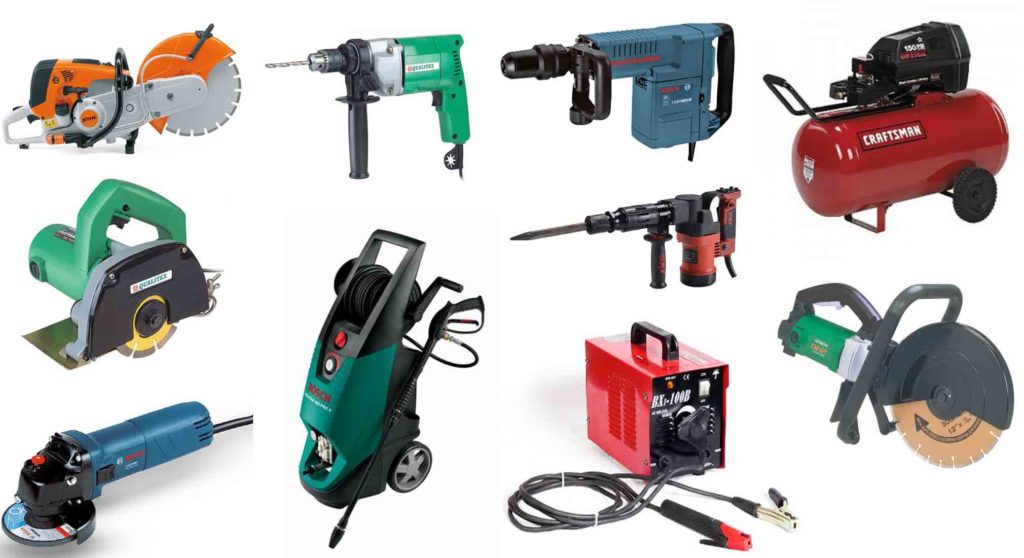
The East African tool market has seen a rise in fake grinders, drills, chainsaws, and generators being sold at suspiciously low prices. These products often mimic popular industrial brands but lack internal engineering standards.
In real working environments such as construction sites in Kampala or agricultural zones in Wakiso and Mbarara, counterfeit tools fail quickly under pressure, especially when used for heavy-duty operations like cutting, drilling, or spraying.
Professionals relying on verified equipment from the Power Tools category significantly reduce operational risks and downtime.
What Are the Main Signs of Fake Power Tools?
Fake power tools can be identified through poor build quality, missing branding details, unusually low pricing, and inconsistent performance under load.
Key Red Flags:
- Extremely low price compared to market average
- Poor packaging or missing manuals
- Misspelled brand names or logos
- Lightweight or hollow-feeling casing
- Sparks, overheating, or vibration during early use
Counterfeit tools often imitate equipment like drills, grinders, and chainsaws but fail when exposed to real workload conditions common in Ugandan workshops.
For comparison, original industrial-grade tools are available through verified product categories like grinders and drills.
How Do Fake Tools Fail in Real Working Conditions?
Fake tools fail quickly because they use low-grade motors, weak copper windings, and inferior bearings that cannot handle continuous industrial load.
Common Failure Points:
- Motor burnout within weeks
- Blade or disc breakage during use
- Battery failure in cordless tools
- Overheating under moderate load
In construction-heavy environments such as Entebbe and Jinja, these failures are especially dangerous when using high-speed cutting tools like chainsaws or grinding equipment.
What Is the Difference Between Original and Fake Tools?
Original tools are engineered for durability, safety, and consistent torque output, while counterfeit tools prioritize appearance over performance and lack industrial-grade components.
Comparison Table:
| Feature | Original Tools | Counterfeit Tools |
|---|---|---|
| Build Quality | High-grade materials | Cheap plastic/metal alloys |
| Performance | Stable under load | Fails under pressure |
| Safety | Certified standards | No safety compliance |
| Lifespan | Long-term use | Short-term failure |
| Warranty | Provided by manufacturer | Usually none |
Original equipment ensures long-term efficiency, especially when sourced through trusted industrial suppliers like those offering verified air compressors and workshop systems.
Why Are Fake Tools So Cheap?
Counterfeit tools are cheap because they use low-quality materials, unregulated manufacturing processes, and lack certification or testing standards.
Cost-Cutting Methods Used:
- Low-grade copper replaced with aluminum wiring
- Weak plastic housings instead of reinforced casing
- No quality control testing
- No safety certification
While the initial price seems attractive, long-term repair and replacement costs often exceed the price of original tools.
How Can You Verify Original Power Tools Before Buying?
You can verify original tools by checking serial numbers, manufacturer branding, warranty documentation, and purchasing only from authorized industrial suppliers.
Verification Checklist:
- Check serial number authenticity
- Inspect packaging quality and labeling
- Confirm warranty availability
- Test weight and material strength
- Compare price with official market range
Tools used in professional environments such as workshops should always meet proper industrial standards similar to verified equipment in the Shop / All Products category.
What Risks Do Counterfeit Tools Pose to Users?
Counterfeit tools pose serious risks including electrical hazards, mechanical failure, fire outbreaks, and workplace injuries due to poor construction standards.
Major Risks:
- Electric shock from exposed wiring
- Blade or disc fragmentation
- Fire due to overheating motors
- Injury from sudden tool failure
These risks are especially high in construction environments where tools like high pressure cleaning machines and grinders operate under continuous load.
How Does the Ugandan Market Contribute to Counterfeit Tool Sales?
The Ugandan informal tool market contributes to counterfeit sales due to price sensitivity, lack of regulation enforcement, and high demand for cheap equipment.
Contributing Factors:
- Unregulated street vendors
- High demand for low-cost tools
- Limited awareness of fake product indicators
- Importation of unverified goods
Urban centers like Kampala and industrial zones often see the highest concentration of counterfeit tools due to fast-moving retail markets.
How Can Businesses Protect Themselves from Fake Tools?
Businesses can protect themselves by buying from verified suppliers, training staff on tool identification, and standardizing procurement processes.
Protection Strategies:
- Purchase only from authorized dealers
- Standardize equipment sourcing policies
- Train technicians on identifying fake tools
- Maintain equipment audit logs
Reliable operations often integrate genuine tools with systems like diesel generators for uninterrupted performance.
When Should You Replace a Suspected Fake Tool?
A suspected counterfeit tool should be replaced immediately if it shows instability, overheating, or inconsistent performance under normal operating conditions.
Replacement Triggers:
- Rapid overheating
- Poor torque or cutting performance
- Physical deformation
- Repeated breakdowns
Continued use increases operational risk and reduces productivity.
Where Can You Get Genuine Power Tools in Uganda?
Genuine power tools should be purchased from trusted industrial suppliers that provide verified equipment, warranty support, and after-sales service.
Professionals in construction, automotive repair, and agriculture should prioritize authenticity over low pricing to ensure long-term efficiency and safety.
Need Reliable Power Equipment?
Contact Jamali Tech for competitive pricing on industrial-grade generators, heavy-duty water pumps, and agricultural machinery.
- Email: info@jamalitech.com
- Phone: +256 742 264 753
- Office: Kampala, Uganda
- Hours: Mon - Fri: 8:00 AM – 6:00 PM
Ready to spec your equipment?
Tell us your job and we’ll come back with a sized quote, delivery window and warranty terms.