Generator KVA vs KW refers to the difference between apparent power (KVA) and real usable power (KW), which determines how much load a generator can actually support. Understanding Generator KVA vs KW is essential for correctly sizing generators in Uganda and avoiding costly underperformance or oversizing.
In East Africa, especially Uganda, misunderstanding is one of the leading causes of generator failure in residential, agricultural, and industrial installations. Whether you are powering irrigation systems in Mbale or construction tools in Kampala, correct interpretation of Generator KVA vs KW ensures operational stability.
To explore verified equipment, visit the Generators category or browse heavy-duty Diesel Generators.
What Does Generator KVA Mean?
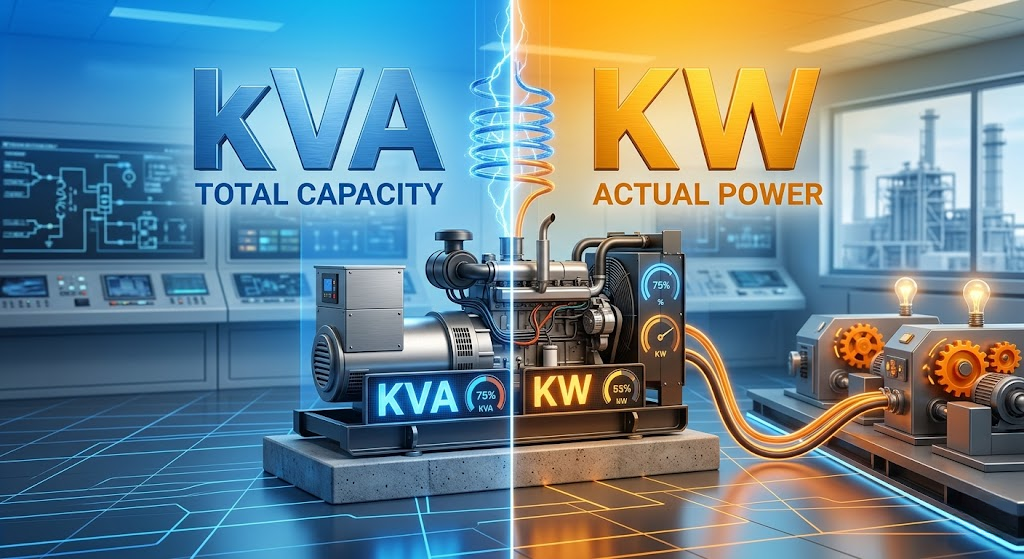
Generator KVA in the context of represents apparent power, which is the total electrical capacity a generator can supply including both usable and wasted energy. It is the upper limit of electrical load capacity.
In analysis, KVA is important because it defines the generator’s maximum electrical stress limit regardless of efficiency losses.
Key points about Generator KVA:
- Represents total power capacity
- Includes reactive + active power
- Used for generator sizing
- Always higher than KW
For agricultural applications, tools like Power Sprayers and Garden Sprayer rely on correct KVA sizing to avoid power dips.
What Does KW Mean in Generator KVA vs KW?
In Generator KVA vs KW comparisons, KW represents real usable power that actually runs electrical equipment and is always lower than KVA due to system losses. KW is the actual working power that determines performance.
When evaluating, KW is the most practical measurement for end users because it reflects what appliances truly consume.
Key points about KW:
- Real usable electrical power
- Powers actual machines and appliances
- Always lower than KVA
- Depends on power factor
Industrial users operating Air Compressor BT-AC500Y must prioritize KW when planning load capacity.
Generator KVA vs KW Explained Clearly
The core difference is that KVA measures total electrical capacity while KW measures usable output after efficiency losses. Typically, KW is about 80% of KVA in diesel generators used in Uganda.
Formula:
KW = KVA × Power Factor (0.8)
Example conversion in Generator KVA vs KW:
- 10 KVA = 8 KW
- 25 KVA = 20 KW
- 50 KVA = 40 KW
This relationship is critical when selecting equipment like Diesel Water Pumps.
Why Generator KVA vs KW Matters in Uganda
Matters in Uganda because power instability and mixed electrical loads require accurate generator sizing to prevent overload, equipment damage, and operational downtime.
Uganda’s agricultural and construction sectors depend heavily on generators, making Generator KVA vs KW understanding essential for operational continuity.
Real-world implications:
- Prevents generator overload
- Ensures stable irrigation pumping
- Supports industrial machinery
- Reduces fuel wastage
For full equipment options, explore Gasoline Generators or Generators Uganda category.
Common Mistakes
The most common mistake in interpretation is assuming KVA equals usable power, leading to undersized generator purchases and frequent power failures.
Mistakes include:
- Ignoring Generator KVA vs KW conversion
- Not accounting for motor startup loads
- Choosing generators based only on price
- Overlooking environmental load factors
Tools like Grinders and Drills require surge capacity that must be included in Generator KVA vs KW calculations.
How to Calculate
To correctly calculate requirements, you must first determine total KW load, then convert to KVA using the power factor, and finally add a safety margin of 20–30%.
Steps:
- Calculate total KW load
- Convert using Generator KVA vs KW formula
- Add safety margin
- Match to generator rating
Example:
- Load = 16 KW
- KVA = 16 ÷ 0.8 = 20 KVA
- Recommended generator = 25 KVA
Generator KVA vs KW Technical Specification Table
This table simplifies Generator KVA vs KW relationships for real-world generator selection across residential, agricultural, and industrial applications in Uganda.
| Generator KVA | Usable KW | Application | Example Load |
|---|---|---|---|
| 5 KVA | 4 KW | Homes | Lights, TV |
| 10 KVA | 8 KW | Small farms | Pumps |
| 20 KVA | 16 KW | Workshops | Tools |
| 50 KVA | 40 KW | Industry | Heavy machines |
| 100 KVA | 80 KW | Factories | Full systems |
Generator KVA vs KW in Agricultural Applications
In agriculture, determines whether irrigation pumps, sprayers, and processing machines run continuously without voltage drops or shutdowns.
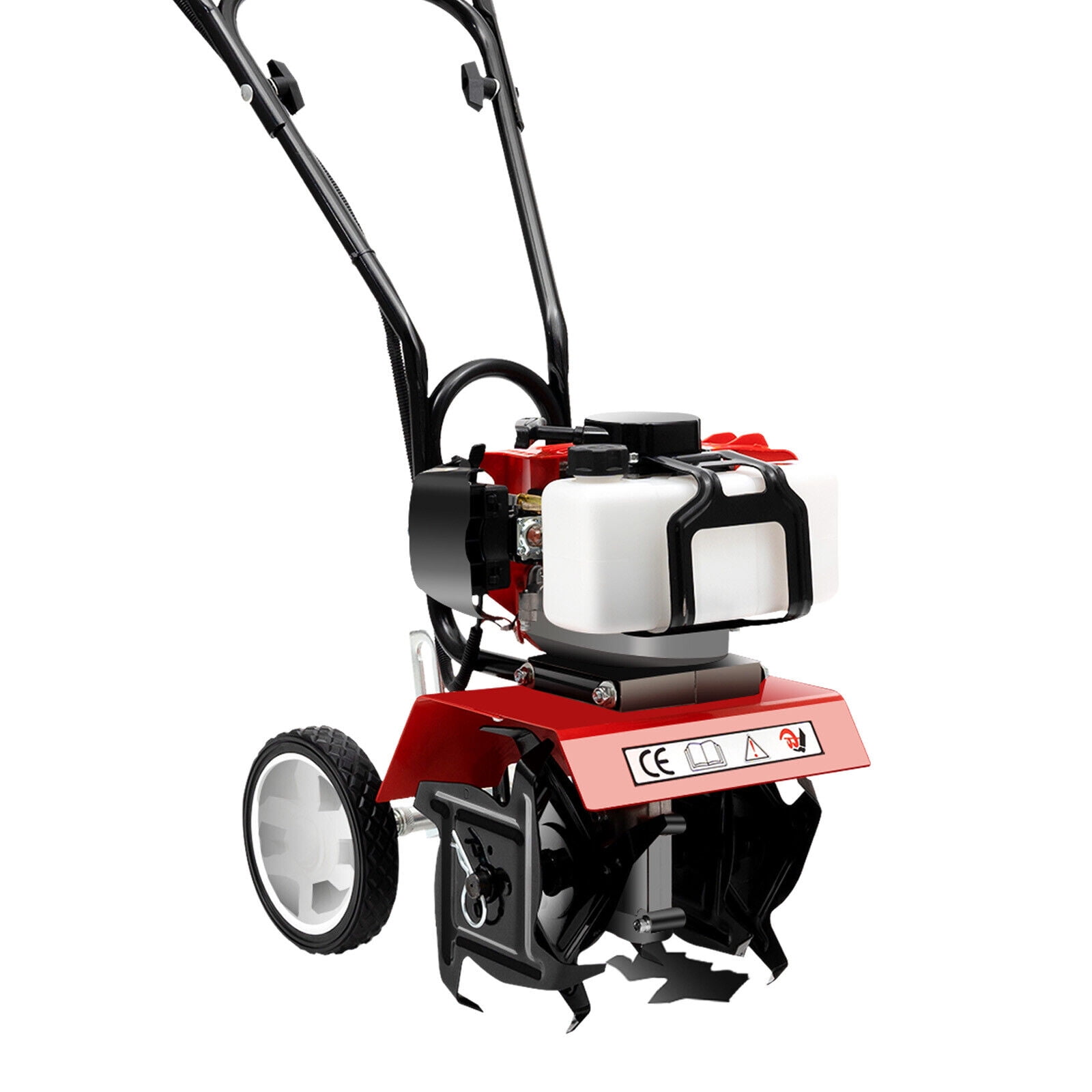
Farm equipment like Rotary Cultivators and Brush Cutters require correct Generator KVA vs KW balancing to avoid operational inefficiency.
Generator KVA vs KW in Industrial Applications
Industrial use requires higher KVA ratings to support heavy startup currents from compressors, mixers, and cutting tools.
Relevant equipment:
Environmental Factors Affecting
Performance in Uganda is affected by altitude, humidity, and temperature, which reduce effective KW output by up to 15% in high-altitude regions.
Key factors:
- High altitude reduces combustion efficiency
- Humidity affects cooling systems
- Dust reduces air intake efficiency
Jamali Tech ensures compliance with Uganda National Bureau of Standards (UNBS) for all Generator KVA vs KW rated equipment.
Conclusion: Mastering Generator KVA vs KW
Understanding is essential for selecting the right generator size, preventing overload, and ensuring efficient energy usage across Uganda’s residential, agricultural, and industrial sectors.
For full product selection, visit the Jamali Tech Blog or explore verified systems in the Diesel Generators Uganda page.
Need Reliable Power Equipment?
Contact Jamali Tech for competitive pricing on industrial-grade generators, heavy-duty water pumps, and agricultural machinery.
• Email: info@jamalitech.com
• Phone: +256 742 264 753
• Office: Kampala, Uganda
• Hours: Mon - Fri: 8:00 AM - 6:00 PM
• Get a Free Quote: [INSERT CONTACT/QUOTE PAGE URL]
Regional Delivery Guarantee: Fast, reliable dispatch from our Kampala headquarters. Serving major regions including Mbarara, Gulu, Jinja, and comprehensive cross-border logistics to Nairobi.
Ready to spec your equipment?
Tell us your job and we’ll come back with a sized quote, delivery window and warranty terms.