Why Is Dry Season Irrigation Critical in Uganda (June–August)?
Dry season irrigation in Uganda is essential to maintain crop yields, sustain livestock, and stabilize agribusiness operations when rainfall drops significantly between June and August. Without irrigation systems, farms face reduced productivity, crop stress, and financial losses.
Uganda’s agricultural calendar is heavily dependent on bimodal rainfall patterns. However, during the June–August dry spell, rainfall becomes inconsistent across regions such as Central Uganda, Northern districts, and parts of Eastern Uganda. This creates soil moisture deficits, directly impacting crop development stages like flowering and grain filling.
For agribusiness owners and commercial farmers, this period is not a downtime—it is a high-risk operational window. Crops such as maize, vegetables, coffee seedlings, and horticultural produce require consistent water supply to avoid:
- Yield reduction due to water stress
- Pest and disease susceptibility
- Soil degradation and nutrient loss
To mitigate these risks, investing in reliable irrigation infrastructure—such as heavy-duty Diesel Water Pumps—becomes a non-negotiable operational decision.
What Happens If You Fail to Prepare for the Dry Season?
Failure to prepare for Uganda’s dry season leads to crop failure, reduced farm income, livestock dehydration, and increased operational costs due to emergency water sourcing.
The consequences are both immediate and long-term:
Immediate Impacts:
- Wilting crops within days of water shortage
- Reduced photosynthesis and stunted growth
- Increased irrigation costs due to reactive planning
Long-Term Impacts:
- Soil structure degradation
- Loss of planting cycles
- Reduced profitability across seasons
In regions like Karamoja and parts of Northern Uganda, where drought conditions can intensify, lack of irrigation infrastructure results in complete crop loss.
Prepared farms, on the other hand, maintain productivity by integrating irrigation systems sourced from trusted suppliers like Jamali Tech Home.
What Are the Essential Irrigation Equipment for the Dry Season?
Essential irrigation equipment includes diesel water pumps, suction hoses, sprinkler systems, storage tanks, and backup power solutions to ensure continuous water delivery during dry periods.
Core Equipment Checklist:
- Water Pumps
- Primary component for water movement
- Recommended: Diesel Water Pumps for high-capacity operations
- Alternative Pump Options
- Smaller farms may use Gasoline Water Pumps
- Piping and Hose Systems
- Suction and discharge pipes
- Durable materials for high pressure
- Sprinkler and Drip Systems
- Efficient water distribution
- Reduces wastage
- Water Storage Tanks
- Ensures reserve supply during peak demand
- Backup Power Systems
- Diesel generators for hybrid irrigation setups
- Explore Diesel Generators
For a full range of irrigation equipment, visit the Water Pumps Category.
How Do You Choose the Right Irrigation Pump for Dry Season Farming?
Choosing the right irrigation pump depends on water source distance, elevation (head), required flow rate, and farm size to ensure efficient and cost-effective water delivery.
Key Selection Criteria:
- Flow Rate (m³/hour): Determines how much water can be delivered
- Head Height (meters): Critical for farms on slopes or elevated terrain
- Fuel Efficiency: Impacts long-term operating costs
- Durability: Must withstand continuous operation
Regional Considerations:
- High Altitude Areas (e.g., Kapchorwa):
- Engines experience power derating of ~3–5% per 1,000m altitude
- Dry Northern مناطق:
- Require higher capacity pumps due to distant water sources
Operators managing large-scale irrigation projects should prioritize industrial-grade solutions available through Shop All Products.
What Irrigation Methods Work Best in Uganda’s Dry Season?
The most effective irrigation methods during Uganda’s dry season are drip irrigation, sprinkler systems, and surface irrigation, depending on crop type and water availability.
1. Drip Irrigation
- Water delivered directly to plant roots
- Minimal evaporation loss
- Ideal for horticulture and greenhouses
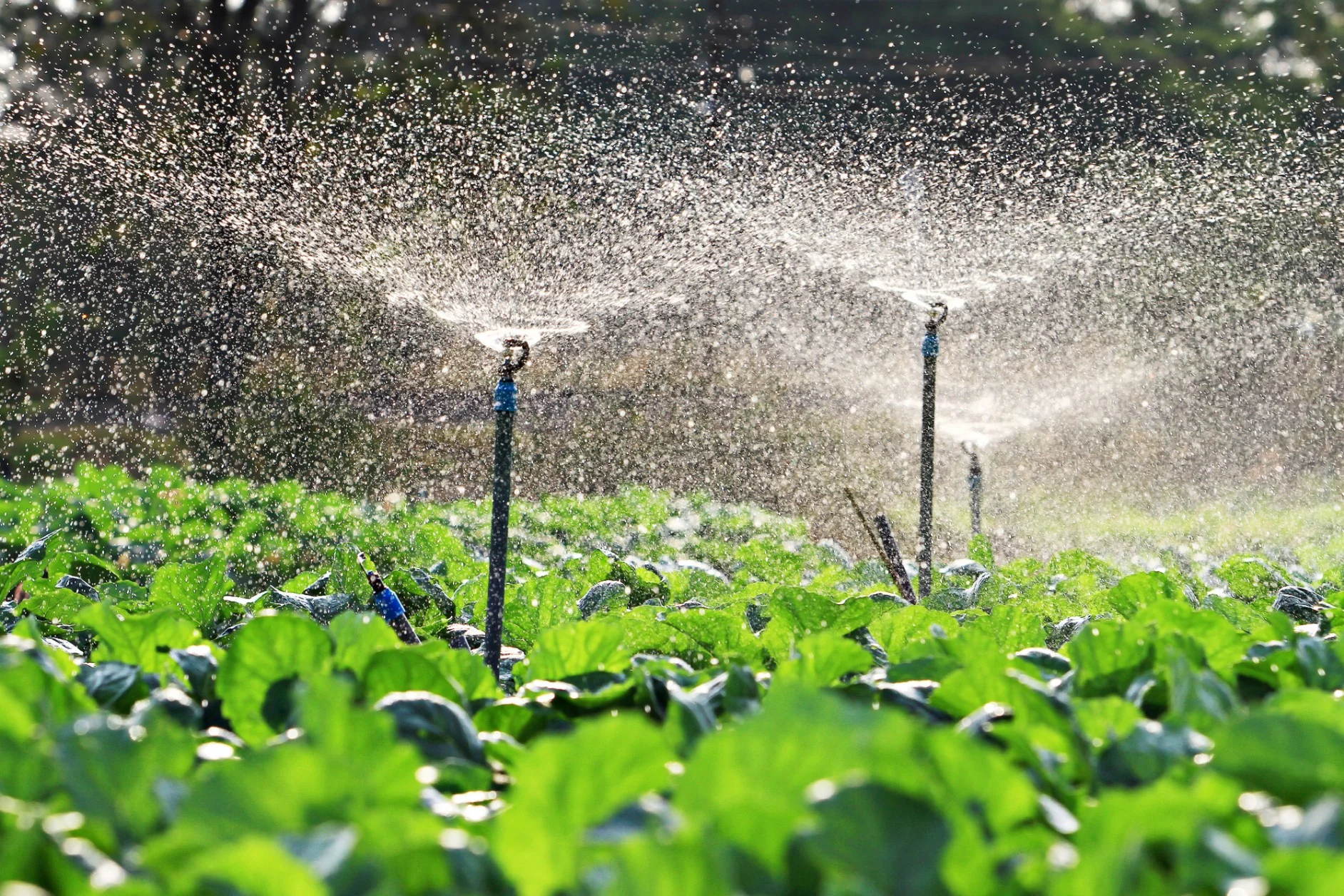
2. Sprinkler Irrigation
- Simulates rainfall
- Suitable for large fields
3. Surface Irrigation
- Flood or furrow systems
- Common in rice farming regions
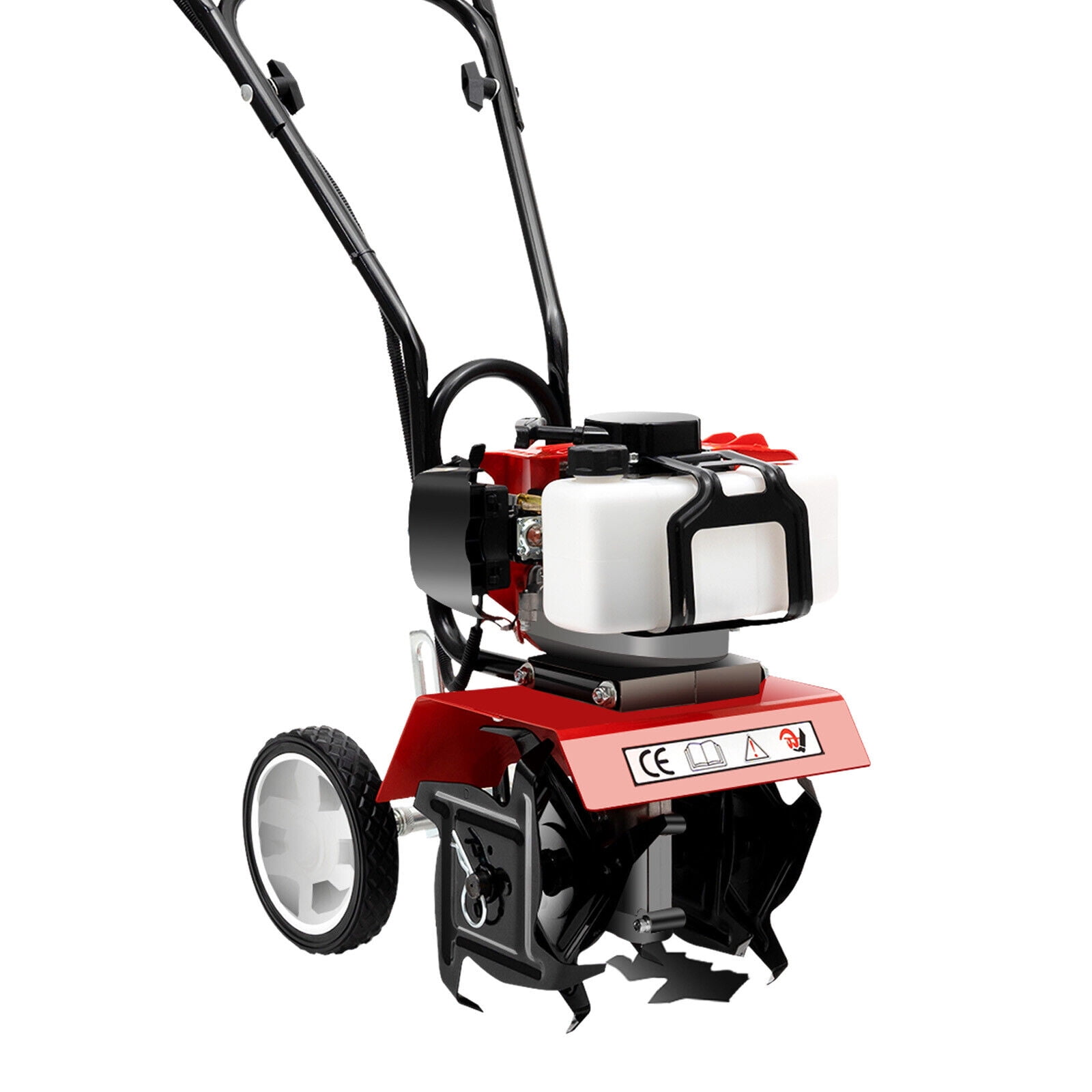
Combining these systems with reliable pumps enhances efficiency. For example, pairing irrigation with Rotary Cultivators improves soil water retention.
How Does Uganda’s Climate Affect Irrigation Planning?
Uganda’s dry season is characterized by high temperatures, low humidity, and inconsistent rainfall, requiring efficient irrigation systems to maintain soil moisture and crop health.
Climate Factors:
- Temperature Increase:
- Accelerates evaporation
- Low Rainfall:
- Reduces natural soil moisture
- Wind Conditions:
- Increases water loss in sprinkler systems
Regional Differences:
- Central Uganda: Moderate dryness, manageable irrigation demand
- Northern Uganda: Severe dryness, high irrigation dependency
- Eastern Uganda: Mixed conditions depending on altitude
Farmers must plan proactively by sourcing equipment from trusted providers like Agricultural Machinery Uganda.
Technical Specifications of Irrigation Pumps for Dry Season Use
Irrigation pump performance is determined by engine power, flow rate, head height, and fuel consumption, all of which must match the farm’s operational requirements.
Typical Irrigation Pump Specifications
| Specification | Range/Value | Application Insight |
|---|---|---|
| Engine Type | 4-Stroke Diesel Engine | Long operational life |
| Power Output | 5 HP – 15 HP | Medium to large farms |
| Max Flow Rate | 20 – 100 m³/hour | High-volume irrigation |
| Max Head | 20 – 80 meters | Elevated terrain suitability |
| Fuel Consumption | 0.8 – 2.5 L/hour | Cost efficiency |
| Tank Capacity | 3 – 15 Liters | Extended runtime |
| Suction Depth | Up to 8 meters | Borehole compatibility |
| Weight | 40 – 120 kg | Stability vs mobility |
What Maintenance Practices Ensure Reliable Irrigation?
Regular maintenance of irrigation equipment ensures consistent performance, prevents breakdowns, and extends the lifespan of pumps during the dry season.
Maintenance Schedule:
Daily:
- Check fuel and oil levels
- Inspect for leaks
Weekly:
- Clean air filters
- Check hose connections
Monthly:
- Replace engine oil
- Inspect impeller and seals
Seasonal:
- Full system overhaul
- Replace worn components
Using genuine spare parts such as Carbon Brushes and Armatures ensures operational reliability.
How Can Farmers Optimize Water Usage During the Dry Season?
Farmers can optimize water usage by adopting efficient irrigation methods, scheduling watering times, and minimizing losses through proper system design.
Optimization Strategies:
- Irrigate early morning or late evening
- Use drip systems to reduce evaporation
- Repair leaks immediately
- Implement water storage systems
Additionally, land preparation tools like Brush Cutters help maintain clean irrigation paths and reduce water wastage.
What Role Does Power Equipment Play in Irrigation?
Reliable power equipment ensures uninterrupted irrigation, especially in off-grid areas where consistent electricity supply is unavailable.
Key Equipment:
- Diesel generators for backup power
- Engine-driven pumps for autonomy
- Portable systems for mobile irrigation
For complete solutions, explore Generators Category and Power Tools.
Why Choose Jamali Tech for Irrigation Solutions?
Jamali Tech provides industrial-grade irrigation equipment, expert consultation, and reliable after-sales support tailored to Uganda’s agricultural conditions.
Competitive Advantages:
- UNBS-compliant machinery
- Wide product range
- Technical expertise
- Regional delivery across East Africa
Learn more via the About Us page or get insights from the Blog.
How to Prepare Step-by-Step for the June–August Dry Season
Preparing for the dry season involves assessing water needs, selecting the right equipment, installing systems, and conducting pre-season testing to ensure reliability.
Step-by-Step Guide:
- Assess Water Demand
- Crop type and acreage
- Identify Water Sources
- Rivers, boreholes, reservoirs
- Select Equipment
- Pumps, pipes, irrigation systems
- Install Infrastructure
- Layout pipelines and sprinklers
- Test Systems
- Run full operation checks
- Train Operators
- Ensure proper usage and maintenance
Request expert guidance through the Contact Page or request pricing via Request a Quote.
What Are the Future Trends in Irrigation for East Africa?
Future irrigation trends include smart irrigation systems, water-efficient technologies, and hybrid power solutions to address climate variability and resource constraints.
Emerging Innovations:
- Sensor-based irrigation systems
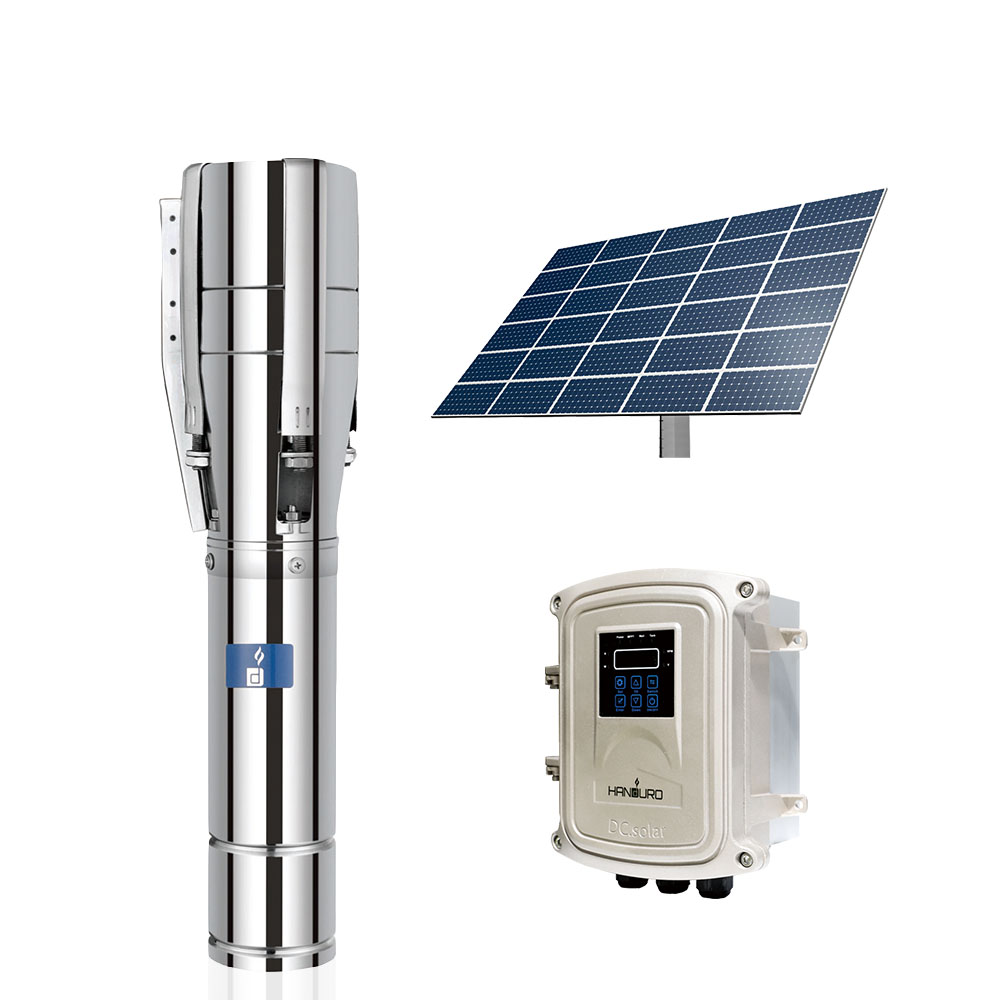
- Solar-diesel hybrid pumps
- Automated water management
These technologies are shaping the future of agriculture across Uganda and the wider EAC region.
Need Reliable Power Equipment?
Contact Jamali Tech for competitive pricing on industrial-grade generators, heavy-duty water pumps, and agricultural machinery.
• Email: info@jamalitech.com
• Phone: +256 742 264 753
• Office: Kampala, Uganda
• Hours: Mon - Fri: 8:00 AM - 6:00 PM
• Get a Free Quote: Request a Quote
Regional Delivery Guarantee: Fast, reliable dispatch from our Kampala headquarters. Serving major regions including Gulu, Mbarara, Jinja, and comprehensive cross-border logistics to Kigali.
Ready to spec your equipment?
Tell us your job and we’ll come back with a sized quote, delivery window and warranty terms.