
Construction Trends 2026 are transforming Uganda’s construction industry through fuel-efficient machinery, smart power systems, cordless tools, and advanced industrial equipment designed for East African operating conditions. Across Kampala and the wider East African Community, contractors are prioritizing reliability, productivity, safety, and operational efficiency to complete projects faster and reduce long-term infrastructure costs.
Kampala’s skyline is changing rapidly. Commercial towers, shopping complexes, logistics centers, industrial facilities, highways, apartment developments, and government infrastructure projects are expanding across Uganda at an unprecedented rate. Behind these developments is a major technological shift in the machinery and tools powering East Africa’s construction industry.
Construction Trends 2026 show that contractors are moving away from outdated equipment with high fuel consumption and frequent breakdowns. Instead, construction firms are adopting modern industrial machinery capable of reducing downtime, improving energy efficiency, and supporting continuous operations in demanding environments.
Modern infrastructure projects in Uganda operate under difficult conditions including unstable electricity supply, high dust exposure, seasonal flooding, long operational hours, and elevated temperatures. Efficient machinery is becoming essential because poor-performing equipment creates project delays, increased fuel costs, and expensive maintenance issues.
Across Kampala, Entebbe, Wakiso, Mbarara, and Gulu, developers are increasingly investing in industrial-grade backup generators, concrete vibration systems, cordless tools, water pumps, and intelligent site equipment to improve productivity and maintain project timelines.
Construction companies seeking reliable industrial equipment can explore Jamali Tech’s Generators, Power Tools, and Agricultural Machinery designed for East African construction environments.
Construction Trends 2026: Why Efficient Machinery Is Dominating Uganda’s Construction Industry
Construction Trends 2026 indicate that efficient machinery is dominating Uganda’s construction sector because contractors need faster project delivery, reduced fuel consumption, lower maintenance costs, and improved operational reliability. Modern equipment allows construction firms to increase productivity while minimizing downtime and operational risks.
The economics of construction across East Africa have changed significantly. Rising fuel prices, increasing labor costs, and tighter project deadlines are forcing contractors to prioritize operational efficiency.
Construction Trends 2026 clearly show that construction firms using efficient machinery gain major competitive advantages including:
- Faster project completion
- Lower operating expenses
- Improved fuel economy
- Reduced equipment failure
- Better workforce productivity
- Enhanced operational safety
Traditional construction equipment often struggles under Uganda’s operating conditions. Dust-heavy sites, unstable electricity, seasonal rains, and prolonged operational hours place enormous stress on engines and electrical systems.
Modern industrial machinery now incorporates:
- Advanced filtration systems
- Reinforced cooling mechanisms
- Intelligent fuel management
- Voltage stabilization
- Heavy-duty internal components
Contractors investing in reliable Diesel Generators are significantly reducing site interruptions caused by power instability and equipment failure.
Construction Trends 2026 also show rising demand for industrial Gasoline Generators used in residential developments, mobile site operations, and medium-scale commercial projects.
Construction Trends 2026 and the Rise of Smart Power Systems on Construction Sites
Construction Trends 2026 highlight the rapid adoption of smart power systems because Uganda’s construction industry requires stable electricity, efficient backup power, and intelligent energy management systems to prevent costly project delays.
Power instability remains one of the biggest operational challenges in Uganda’s construction sector. Voltage fluctuations and unexpected outages can stop operations instantly and damage sensitive machinery.
Construction Trends 2026 demonstrate that modern construction sites increasingly rely on:
- Automatic voltage regulators
- Intelligent load balancing
- Fuel monitoring systems
- Silent generators
- Remote diagnostics
- Thermal shutdown systems
Modern construction sites require reliable power for:
- Welding equipment
- Concrete vibrators
- Lighting systems
- Water pumps
- Power tools
- Site offices
Large infrastructure projects increasingly depend on industrial Diesel Engines capable of supporting high-load operations over extended periods.
Generator Efficiency Trends in East Africa
Construction Trends 2026 emphasize fuel efficiency because operational costs continue rising across the East African construction sector.
Modern generators now include:
| Specification | Operational Advantage |
|---|---|
| Electronic fuel injection | Lower fuel consumption |
| Smart cooling systems | Reduced overheating |
| Automatic shutdown | Improved safety |
| Noise insulation | Better urban compliance |
| High-capacity alternators | Stable power delivery |
| Intelligent voltage control | Equipment protection |
Construction companies operating remote infrastructure projects increasingly deploy industrial Gasoline Welding Generators for field construction operations.
High-Altitude Equipment Performance
Construction Trends 2026 also reveal growing awareness about generator derating in elevated regions such as Kapchorwa and western Uganda.
Reduced oxygen density affects combustion efficiency and engine output. Modern industrial generators compensate using:
- Turbocharging systems
- Optimized combustion management
- Enhanced air filtration
- Improved thermal regulation
These technologies maintain reliable operational performance in difficult terrain.
How Construction Trends 2026 Are Accelerating Cordless Construction Equipment Adoption
Construction Trends 2026 are accelerating cordless equipment adoption because contractors require better mobility, improved site safety, reduced cable hazards, and higher workforce efficiency.
Cordless technology is now one of the fastest-growing equipment categories in Uganda’s construction industry.
Modern lithium-ion systems provide:
- Longer runtime
- Faster charging cycles
- Reduced tool weight
- Better torque performance
- Improved portability
Construction Trends 2026 show that contractors working on multi-floor developments increasingly prefer cordless systems because they improve worker mobility and reduce operational delays.
Benefits of Cordless Construction Equipment
Improved Site Safety
Cordless systems reduce:
- Tripping hazards
- Electrical accidents
- Extension cable damage
- Water-related electrical risks
Increased Worker Mobility
Construction crews can operate efficiently in:
- Elevated structures
- Tight spaces
- Outdoor construction sites
- Remote project locations
Faster Workflow Efficiency
Portable systems reduce delays associated with extension routing and generator cable management.
Contractors modernizing their operations increasingly rely on industrial Cordless Tools, professional Drills, and heavy-duty Grinders.
Construction Trends 2026 also show increased demand for portable Cutters and industrial Hammers for structural installation and demolition work.
Sustainable Construction Trends 2026 in Uganda’s Building Sector
Sustainable Construction Trends 2026 are driving demand for fuel-efficient machinery, low-emission equipment, and environmentally responsible construction practices throughout Uganda and East Africa.
Environmental efficiency is becoming a major factor in modern infrastructure development.
Construction Trends 2026 demonstrate that developers increasingly evaluate machinery based on:
- Fuel consumption
- Carbon emissions
- Noise pollution
- Water efficiency
- Waste reduction
Efficient machinery helps contractors lower operating expenses while improving environmental performance.
Fuel Efficiency Is Becoming a Competitive Advantage
Modern contractors are increasingly prioritizing:
- Low-consumption diesel systems
- Smart idle-control engines
- Efficient compressors
- Reduced-emission generators
Construction firms seeking energy-efficient operations increasingly deploy industrial Compressors and advanced Air Compressor BT-AC500Y systems.
Precision Equipment Is Reducing Material Waste
Construction Trends 2026 emphasize precision machinery because accurate equipment minimizes:
- Material wastage
- Structural inconsistencies
- Rework costs
- Labor inefficiencies
Modern construction firms increasingly rely on industrial Mixers and precision Sanders for finishing operations.
Construction Trends 2026: Concrete Technology and Modern Vibration Systems
Construction Trends 2026 highlight advanced concrete vibration systems because proper concrete consolidation improves structural integrity, minimizes air pockets, and increases long-term building durability.
Concrete quality remains one of the most critical aspects of modern infrastructure construction.
Poor vibration practices often result in:
- Honeycombing
- Weak structural sections
- Water penetration
- Reduced durability
- Uneven density
Construction Trends 2026 show that contractors increasingly invest in efficient vibration systems capable of delivering consistent concrete consolidation.
Advantages of Modern Concrete Vibrators
Modern vibration systems provide:
- Faster concrete compaction
- Improved structural consistency
- Reduced operator fatigue
- Lower maintenance requirements
Large commercial projects increasingly depend on industrial Concrete Vibrators for engineering-grade concrete performance.
Technical Equipment Specification Table
| Equipment | Power Source | Typical Output | Construction Application | Operational Benefit |
|---|---|---|---|---|
| Diesel Generator | Diesel Engine | 5kVA–500kVA | Backup power | Fuel efficiency |
| Concrete Vibrator | Electric/Gasoline | Variable | Concrete consolidation | Structural integrity |
| Air Compressor | Electric/Diesel | High PSI | Pneumatic operations | Continuous airflow |
| Cordless Drill | Lithium-Ion Battery | Variable Torque | Drilling/Fastening | Worker mobility |
| High Pressure Cleaner | Electric/Diesel | High Pressure | Site cleaning | Water efficiency |
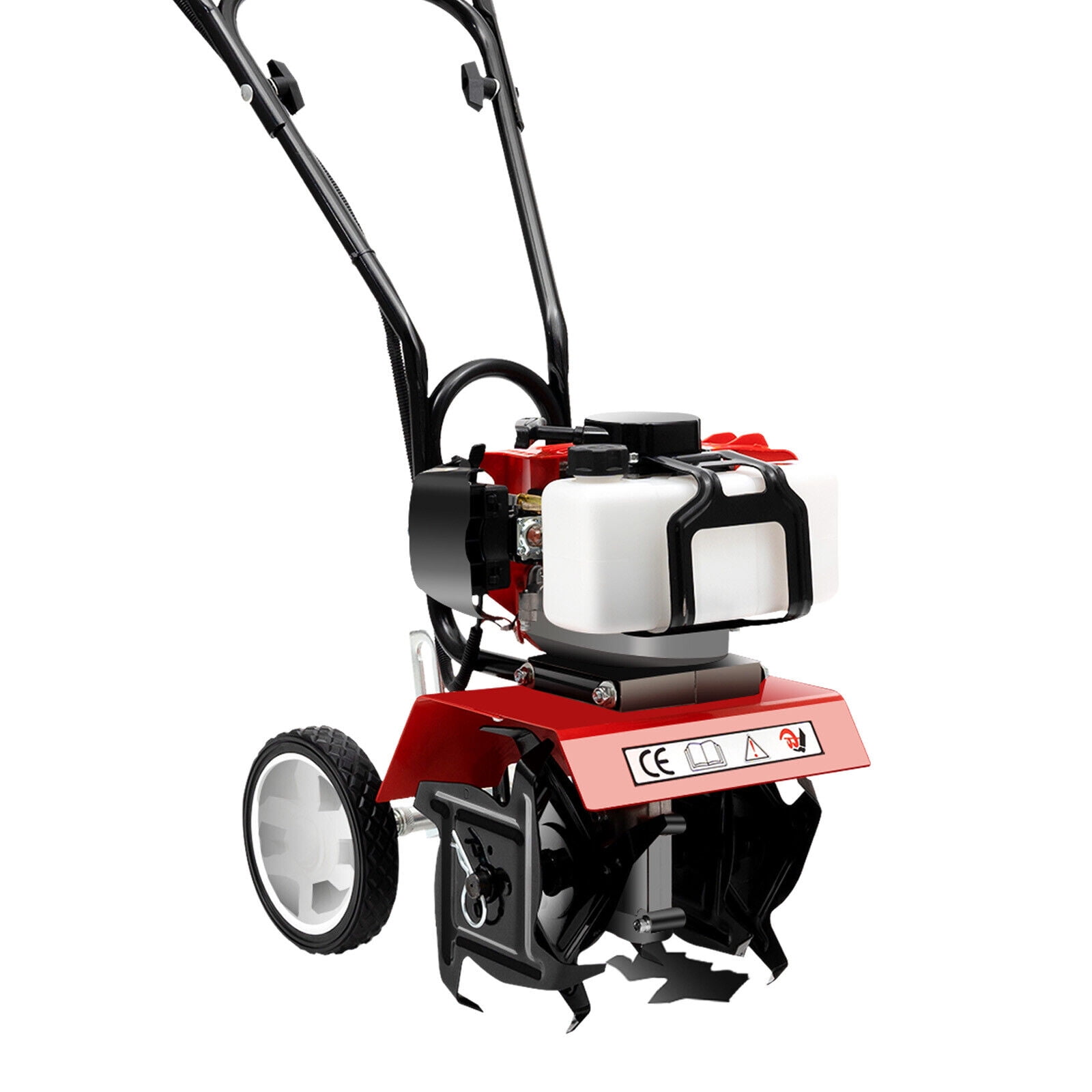
| Rotary Cultivator | Gasoline/Diesel | Heavy Duty | Site preparation | Faster land clearing |
Construction Trends 2026 and the Future of Water Management Systems
Construction Trends 2026 show that advanced water management systems are essential because seasonal rainfall and site flooding continue affecting construction productivity across Uganda.
Uganda’s wet season remains a major operational challenge for construction projects.
Common site problems include:
- Flooded excavations
- Waterlogged foundations
- Poor site drainage
- Delayed concrete operations
Construction Trends 2026 demonstrate that efficient pumping systems are now essential for maintaining uninterrupted project operations.
Major Construction Pump Applications
Modern construction pumps support:
- Excavation dewatering
- Dust suppression
- Water transfer
- Concrete curing
- Flood control
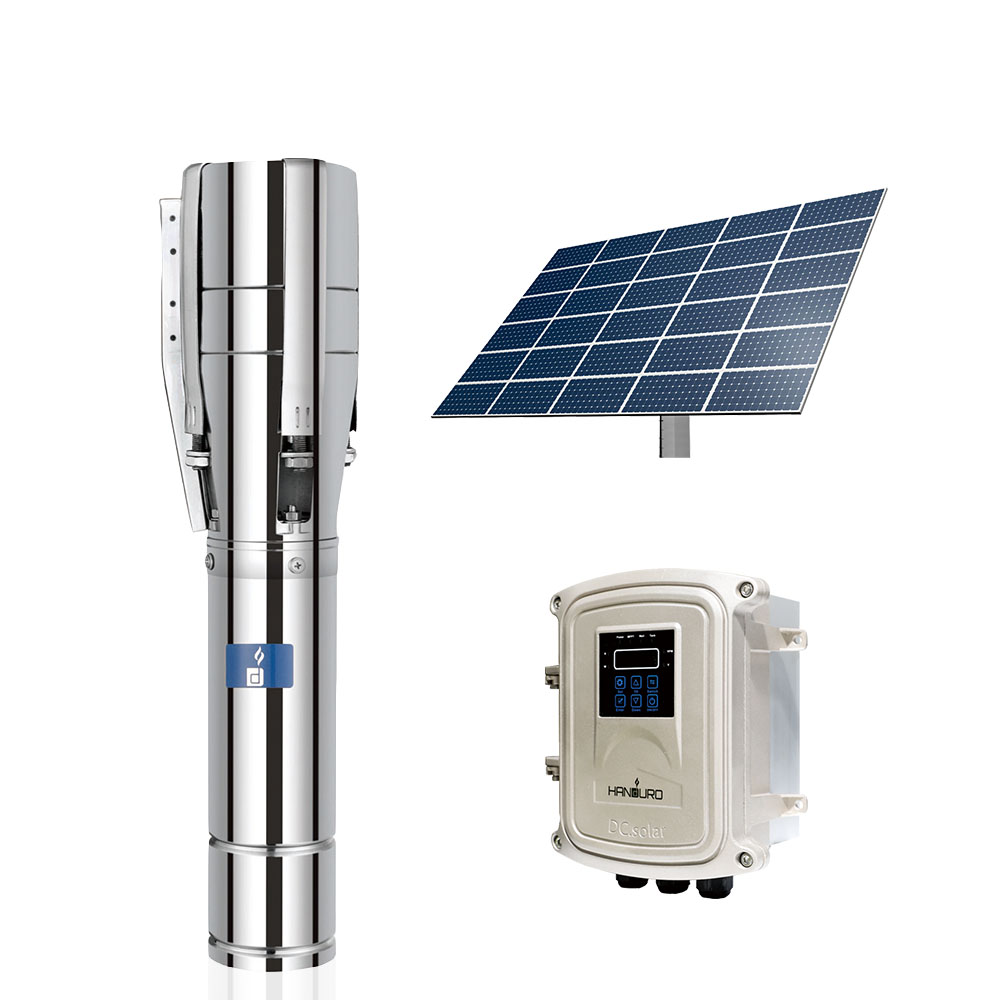
Construction firms increasingly depend on industrial Diesel Water Pumps and portable Gasoline Water Pumps for large-scale operations.
Growing Demand for Submersible Pumps
Construction Trends 2026 also indicate growing adoption of industrial Submersible Pumps because they:
- Operate efficiently underwater
- Improve drainage speed
- Reduce cavitation risks
- Require minimal surface space
Why Construction Trends 2026 Prioritize Equipment Reliability Over Low Prices
Construction Trends 2026 prioritize equipment reliability because downtime, repairs, and operational delays create far higher long-term costs than investing in professional-grade industrial machinery.
Cheap equipment often creates major operational problems including:
- Frequent breakdowns
- High fuel consumption
- Poor spare parts availability
- Inconsistent performance
- Increased safety risks
Construction Trends 2026 show that contractors increasingly evaluate:
- Lifecycle operating costs
- Fuel efficiency
- Maintenance schedules
- Service availability
- Equipment durability
Construction companies seeking dependable industrial equipment increasingly work with trusted suppliers such as Jamali Tech.
Spare Parts Availability Is Critical
Reliable spare parts access reduces downtime significantly.
Essential components include:
- Bearings
- Carbon brushes
- Armatures
- Cooling systems
- Filtration components
Construction Trends 2026 indicate rising demand for industrial Carbon Brushes and replacement Armatures to support continuous machinery operations.
Construction Trends 2026: Smart Agricultural Machinery Influencing Construction Operations
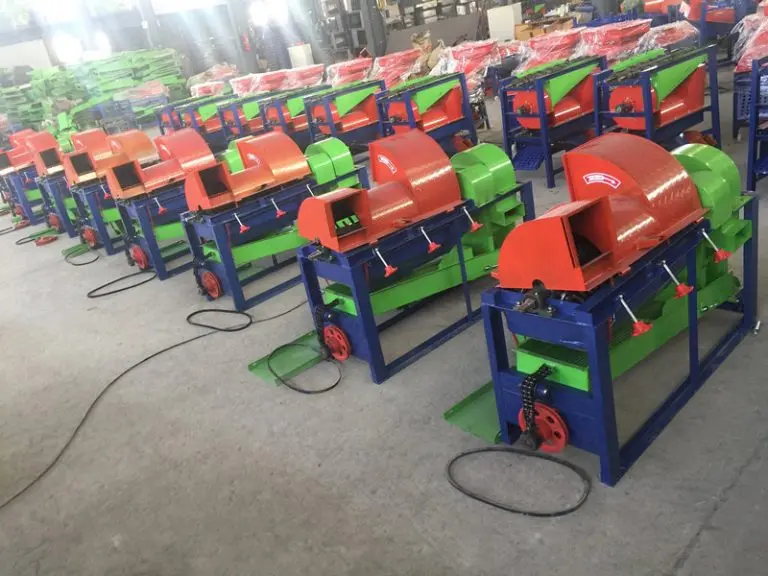
Construction Trends 2026 reveal that agricultural machinery is increasingly influencing construction operations through land-clearing systems, portable engines, and multi-purpose site preparation equipment.
Urban expansion across Uganda frequently begins with vegetation clearing and land preparation.
Construction Trends 2026 show increasing overlap between agricultural and construction equipment applications.
Multi-Purpose Machinery Applications
| Machinery | Agricultural Use | Construction Use |
|---|---|---|
| Brush Cutter | Vegetation clearing | Site preparation |
| Chain Saw | Timber cutting | Land clearing |
| Rotary Cultivator | Soil preparation | Ground conditioning |
| Water Pumps | Irrigation | Dewatering |
Contractors increasingly rely on industrial Brush Cutters, heavy-duty Chainsaws, and advanced Rotary Cultivators during early-stage site development.
Construction Trends 2026 and UNBS Compliance Standards
Construction Trends 2026 are strongly influenced by UNBS compliance requirements because contractors increasingly require certified machinery that meets operational safety and engineering standards.
Uganda National Bureau of Standards compliance is becoming increasingly important throughout the construction industry.
Construction Trends 2026 show that contractors are prioritizing compliant machinery to reduce:
- Site accidents
- Operational failures
- Insurance complications
- Regulatory risks
Modern Machinery Safety Features
Efficient machinery increasingly includes:
- Automatic shutdown systems
- Thermal overload protection
- Emergency stop controls
- Intelligent voltage stabilization
- Reinforced protective housing
Construction companies seeking compliant industrial equipment can explore professional machinery solutions through Jamali Tech’s Shop and technical support teams.
Data-Driven Construction Trends 2026 in Kampala’s Future Construction Sites
Data-driven Construction Trends 2026 are transforming Kampala’s building sector through predictive maintenance systems, fuel analytics, runtime monitoring, and intelligent equipment tracking technologies.
Digital transformation is rapidly entering East Africa’s construction industry.
Construction Trends 2026 show that modern machinery increasingly supports:
- Predictive maintenance
- Fuel monitoring
- GPS equipment tracking
- Runtime analysis
- Remote diagnostics
These technologies help contractors:
- Reduce downtime
- Improve project scheduling
- Lower maintenance costs
- Prevent equipment misuse
Predictive Maintenance Is Becoming Standard
Construction Trends 2026 indicate that predictive maintenance improves machinery lifespan by monitoring:
- Engine temperature
- Oil pressure
- Cooling efficiency
- Runtime cycles
- Fuel efficiency
Contractors modernizing industrial operations increasingly rely on professional Heat Guns, industrial Polishers, and advanced site equipment.
The Future of Construction Trends 2026 in Uganda and East Africa
The future of Construction Trends 2026 in Uganda depends on efficient machinery, intelligent power systems, durable industrial tools, and advanced construction technologies capable of improving productivity and operational reliability.
Construction Trends 2026 clearly show that East Africa’s infrastructure future will be shaped by companies prioritizing:
- Fuel-efficient equipment
- Smart power systems
- Predictive maintenance
- Operational safety
- Intelligent machinery
- Durable industrial tools
Efficient machinery is no longer optional. It is now a competitive necessity for contractors operating in Uganda’s rapidly growing infrastructure sector.
From Kampala’s commercial towers to industrial developments across regional municipalities, modern equipment is enabling faster, safer, and more efficient project delivery throughout East Africa.
Businesses seeking industrial-grade equipment and technical guidance can learn more through Jamali Tech’s About Us, browse equipment on the Shop, or request customized solutions through the Request a Quote page.
Conclusion
Construction Trends 2026 are reshaping Uganda’s construction sector through fuel-efficient machinery, smart power systems, advanced industrial tools, and intelligent construction technologies designed for East African operating conditions.
Modern contractors are increasingly prioritizing productivity, operational reliability, safety compliance, and fuel efficiency to remain competitive in Uganda’s rapidly expanding infrastructure market.
As Kampala’s skyline continues evolving, Construction Trends 2026 will continue driving demand for industrial-grade machinery capable of supporting faster project delivery, lower operational costs, and higher engineering performance throughout East Africa.
Need Reliable Power Equipment?
Contact Jamali Tech for competitive pricing on industrial-grade generators, heavy-duty water pumps, and agricultural machinery.
- Email: info@jamalitech.com
- Phone: +256 742 264 753
- Office: Kampala, Uganda
- Hours: Mon - Fri: 8:00 AM - 6:00 PM
- Get a Free Quote: Request a Free Quote
Regional Delivery Guarantee: Fast, reliable dispatch from our Kampala headquarters. Serving major regions including Jinja, Gulu, Mbarara, and comprehensive cross-border logistics to Kigali.
Ready to spec your equipment?
Tell us your job and we’ll come back with a sized quote, delivery window and warranty terms.